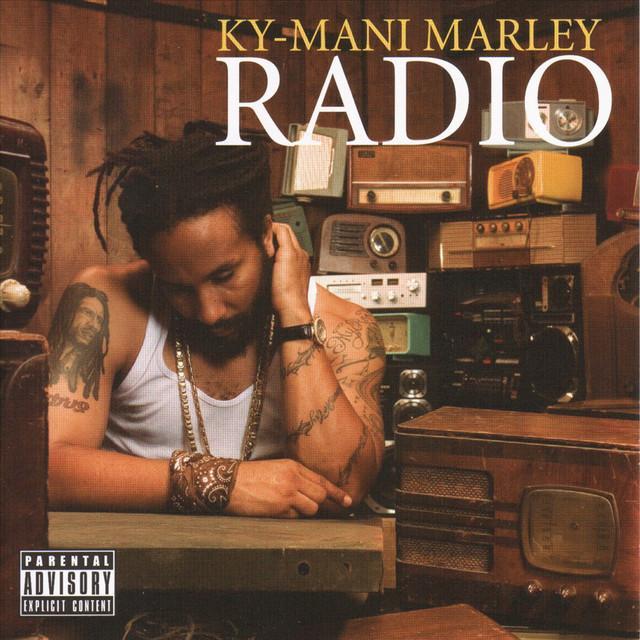
Hustler by Ky-Mani Marley
The meaning of Hustler Ky-Mani Marley centers on survival, self-definition, and moral tension. The song presents a narrator who refuses a conventional path and instead embraces a risky life because they feel the system offers few honest options. What makes the track stand out is that it does not treat hustling as simple glamour. It sounds like pressure, pride, and prayer all at once.
"Hustler" - Ky-Mani Marley
Yeah
(woawoawoawoawoa)
Loading lyrics...
Unable to load lyrics
We're unable to display the lyrics at this time. Please try again later.
Ky-Mani Marley, one of Bob Marley's sons, has long worked across reggae, dancehall, and hip-hop-influenced styles, a blend noted in artist profiles such as AllMusic. That background matters here. “Hustler” sits in reggae, but its message is grounded in street realism rather than easy uplift.
A Survival Anthem, Not a Celebration of Easy Money
At its core, the song argues that the narrator is pushed into hustle by circumstance. The repeated line about not fitting a regular job tells listeners this is an identity statement, but also a social one. When they say I can't work at 9-5
, the point is not laziness. It is that they feel locked out of normal stability.
That is why the chorus matters so much. Short phrases like I'm a hustler
and this is just my life
frame hustling as a lived condition, not a temporary pose. The language suggests a person who sees danger clearly but still keeps moving because stopping would mean losing everything.
Interpretation: The song is less about criminal swagger than about what happens when survival and freedom seem tied to risk.
Watch the official Hustler
music video
The Chorus Turns Struggle Into Identity
The hook is direct and memorable because it compresses the song’s whole worldview into a few lines. The narrator sets up a contrast between a standard work life and a dangerous independent path. Then they choose the second option, even knowing the cost.
Rather risk my freedom and my life
I got my future front my eyes
Those lines push the song beyond bragging. They show that the hustle is future-focused. The narrator is not chasing thrills; they are trying to survive long enough to reach something better.
Faith, Babylon, and the Moral Frame
One of the most important parts of the meaning of Hustler Ky-Mani Marley is its spiritual language. The song references the chalice
, Jah, and Babylon, all terms with strong roots in Rastafari culture. In reggae history, “Babylon” often refers to oppressive power structures, while Jah signals divine guidance; the Encyclopaedia Britannica overview of Rastafarianism outlines that broader context.
Here, those references do two things at once:
- They place the narrator’s struggle inside a bigger political system.
- They give the song a moral center rooted in faith and protection.
When the lyrics describe corrupt times and leaders gone astray, the message is that hustling happens inside a broken world. The narrator does not pretend society is fair. Instead, they answer corruption with endurance, prayer, and community loyalty.
Interpretation: The song suggests that survival can still carry ethics. Even in hard conditions, they return to love, loyalty, and spiritual protection.
Love Softens the Hard Edges
Another layer of the song is its relationship story. The narrator speaks to a woman with trust and dependence, asking for loyalty if trouble comes. That emotional thread matters because it stops the song from becoming one-note.
They are not only a hustler; they are also a partner who wants support, affection, and prayer. The request to say your prayer for me
is especially revealing. It shows vulnerability beneath the bravado.
This makes the song more human. The hustle is not just about money. It is also about keeping love intact while living under stress.
How the Verses Build the World
The verses move through several ideas quickly, but they connect around one main feeling: pressure from every direction. There are mentions of corrupt times, street realities, travel, food, war, and state power. The narrator seems to move through unstable spaces where survival requires alertness.
A few recurring motifs tie that world together:
- Work vs. freedom: regular labor is rejected as unlivable.
- Movement: riding, running, and crossing spaces imply constant motion.
- Bread and food: survival is practical, not abstract.
- Prayer and love: emotional and spiritual support keep the narrator grounded.
That blend is key to the meaning of Hustler Ky-Mani Marley. The song insists that material struggle and spiritual struggle are connected.
Why the Reggae Sound Matters
Musically, the track’s reggae base helps carry the message. Reggae often uses deep bass, steady drum patterns, and spacious rhythms that make room for reflective lyrics. In “Hustler,” that kind of groove gives the song weight without rushing it.
The effect is important. The lyrics talk about danger, but the music feels controlled rather than frantic. That contrast suggests discipline. The narrator may live under pressure, yet they still sound centered.
Ky-Mani’s vocal style also matters. He balances melody with a conversational edge, which keeps the song between singing and testimony. That makes the message feel personal and believable.
A Song About Resistance as Much as Hustle
One strong reading is that the song is really about resistance. The hustle becomes a response to systems that feel corrupt, unequal, or spiritually empty. The narrator is trying to keep agency in a world that wants to narrow their choices.
A second reading is more personal. The song may simply portray one person explaining their lifestyle to a lover, asking them to understand the risks without walking away.
Both readings fit because the lyrics operate on two levels at once: public struggle and private loyalty.
Final Take on the Meaning
In the end, “Hustler” presents survival as both burden and badge. It tells the story of someone who sees the cost of their path but refuses to pretend there is an easier option. That is why the meaning of Hustler Ky-Mani Marley feels larger than a slogan: it is about freedom, pressure, faith, and the people who stand beside them.
Disclaimer: This interpretation is based on the lyrics provided, reggae/Rastafari context, and publicly available artist background. Like any song, meaning can remain open to listener interpretation.








