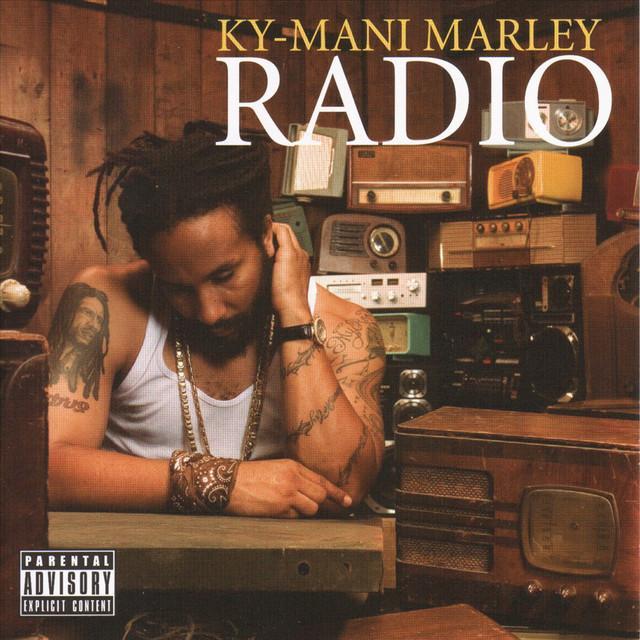
The March by Ky-Mani Marley
The meaning of The March Ky-Mani Marley comes through fast: this is a song about survival, discipline, and spiritual endurance in a place that feels permanently under attack. Rather than describing war on a distant battlefield, the song says the real conflict is happening at home, in neglected neighborhoods where young people are pushed to live like soldiers.
"The March" - Ky-Mani Marley
Haha
Rise to your feet little soldier
Loading lyrics...
Unable to load lyrics
We're unable to display the lyrics at this time. Please try again later.
Ky-Mani Marley, son of Bob Marley, has long mixed reggae with hip-hop and social commentary in his catalog, a background reflected in artist profiles and discographies such as AllMusic. Here, that blend matters. “The March” sounds like a street report, a warning, and a prayer all at once.
A Street Anthem Framed as Combat
At its core, the song compares daily life in the streets to military service. The opening commands and the repeated cadence create the feeling of a drill. When the hook circles around left right left
, it does more than sound catchy. It suggests routine, pressure, and the need to keep moving no matter what is happening.
That image becomes sharper in the verses. The narrator describes being in fatigues
and ready for war
, but the song quickly explains that this war is not about soldiers overseas. It is about local violence, poverty, and the constant need to protect oneself. In plain terms, the track says some communities are forced into battle mode before they ever choose it.

Watch the official The March
music video
Where the Song Places the Real Enemy
One of the song’s strongest lines is the claim that the war is not in a foreign country but on neighborhood streets. That shift is central to the meaning of The March Ky-Mani Marley. The song argues that danger is built into everyday life for the people it describes.
There are several threats in the lyrics:
- violence from rivals
- betrayal from informants or fake friends
- emotional numbness through drugs
- a wider system that seems not to care who survives
When the song points toward the belly of the beast
, it paints the neighborhood as a trap inside a larger machine. Interpretation: this phrase can be heard as a reference to social systems that profit from chaos or simply ignore suffering until it becomes normal.
The “Little Soldier” Figure
A key part of the song is the repeated address to a little soldier
. That phrase sounds encouraging on the surface, but it also feels tragic. The song is speaking to someone young, possibly a child or teenager, and preparing them for a brutal world.
The advice in the lyrics is practical and hard-edged: stay alert, avoid snitches, choose relationships carefully, keep focused, and aim for something better. This makes the song feel less like fantasy and more like street instruction passed from one generation to the next.
Interpretation: the “little soldier” may represent one person, but they also stand for many young people growing up too fast. The song mourns that loss of innocence even while trying to equip them for survival.
Faith Pushes Back Against Despair
For all its aggression, “The March” is not a celebration of violence. It repeatedly shows how exhausting this life is. The narrator talks tough, but the emotional center of the song arrives when struggle turns into prayer.
The ending plea asks for strength, mercy, and guidance. That matters because it changes the track’s message. The song is not just saying, “fight harder.” It is also saying that human strength alone is not enough.
Give us this day
forgive us
stop the war
That brief prayer section brings Christian language into a street setting. In Marley family music more broadly, spiritual themes often sit beside political and social ones, as seen in overviews of the family’s work from sources like Britannica. Here, spirituality becomes a last defense against despair.
How the Sound Reinforces the Message
Production is a big part of why the song feels so forceful. Even without a full credit list for the beat, the provided writing credits name Ky-Mani Marley, Jason Farmer, and Alex Francis. Musically, the track uses reggae roots as a base but leans into hip-hop rhythm and military-style chant.
Several sonic choices deepen the meaning:
Drums as command
The percussion feels like marching orders. The beat is steady, repetitive, and strict, which mirrors the song’s message about discipline and constant vigilance.
Vocal delivery as testimony
Ky-Mani’s voice moves between commanding, warning, and reflective tones. That makes the song feel personal rather than abstract. They sound like someone who has seen the damage up close.
Hook as pressure loop
Because the refrain keeps returning, it creates the sense that the cycle never really ends. Marching becomes a metaphor for living through the same struggle day after day.
A Song About Survival, Not Glory
One reason “The March” works is that it avoids romanticizing the street life it describes. The song includes pride, toughness, and loyalty, but it also shows paranoia, fatigue, and spiritual need. The “soldier” image is powerful because it sounds noble while also revealing how unfair the situation is.
Interpretation: listeners can hear the song in two ways at once. It is a motivational anthem for people under pressure, and it is also a critique of the world that forces them into that role.
Why the Message Still Lands
For U.S. listeners, the song remains understandable because its core themes are familiar: community struggle, young people under pressure, and the search for dignity in violent surroundings. The meaning of The March Ky-Mani Marley is not hidden. It is a warning that some people are trained by circumstance to march before they ever get a chance to dream.
In the end, the song says survival takes discipline, awareness, and faith. But it also quietly asks a larger question: why should children have to become soldiers at all?
Disclaimer: This article offers interpretation based on the song’s lyrics, performance, and known artist context. Meanings in music can vary from listener to listener.







