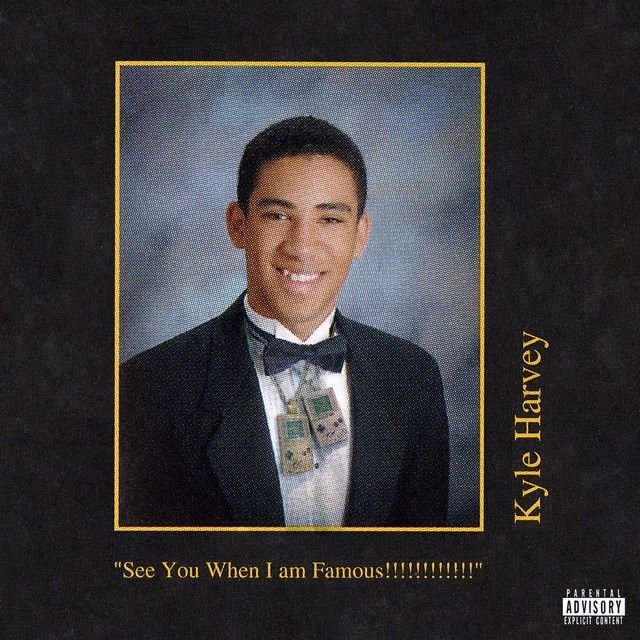
Why "Over It" by Kyle Feels So Final
The meaning of Over It Kyle comes through fast: this is a breakup song about boundaries, frustration, and the effort it takes to really move on. Kyle builds the track around a very modern image—an ex who keeps calling—and turns that small act into a bigger statement about emotional closure.
"Over It" - Kyle
Stop callin' my phone (hello?)
Girl, leave me alone, I'm over it
Loading lyrics...
Unable to load lyrics
We're unable to display the lyrics at this time. Please try again later.
Rather than sounding heartbroken in a soft or reflective way, they make the song feel blunt, catchy, and almost playful. That mix matters. It shows someone trying to take back control after a relationship that left them feeling used.
The Core Message Hiding in Plain Sound
At the most basic level, the song says the relationship is finished. The narrator does not want another talk, another excuse, or another late-night call. When they say Stop callin' my phone
, the line is not just about a ringtone. It is a boundary.
The hook keeps returning to I'm over it
, which makes the message feel simple. But repetition can do two things at once. It can sound strong, and it can also reveal effort. Interpretation: they may be declaring freedom while still processing anger underneath that confidence.
That tension gives the song its energy. It is not a sad ballad about missing someone. It is a sharp exit speech.

Watch the official Over It
music video
A Breakup Story Told Through Annoyance
The verses explain why the breakup feels so final. The narrator says the couple has been disconnected for a long time, not just for a day or week. That history matters because it turns the song away from impulse and toward conclusion.
They also frame the relationship as harmful, not merely disappointing. When they describe the other person enjoying their pain, the song shifts from ordinary breakup frustration to a stronger sense of emotional exhaustion. In plain terms, this is not someone leaving a good thing too early. They believe the bond has already become unhealthy.
One of the clearest summaries comes in the chant-like post-verse section:
It's done
And it was fun
But you not the one
Those lines reduce the whole relationship to three stages: it existed, parts of it were enjoyable, and it still had to end. That economy is part of the song’s appeal.
The Phone Motif Does More Than Set the Scene
The opening spoken message about a number not being in service is a clever setup. Even without outside context, it creates a mood of disconnection before the beat fully settles in. It also turns the whole song into a kind of denied access: the ex wants contact, but the emotional line is closed.
That is why the phone imagery keeps working. Calls and FaceTime are not random details. They represent the ways modern relationships stay alive after they are supposed to be over. The song understands that breakups now happen through screens, notifications, and the pressure of instant access.
Interpretation: by centering the phone, Kyle shows that moving on is not only emotional. It is practical. They need silence to heal.
Ego, Hurt, and the Fantasy of Future Success
One interesting turn in the verse is the narrator’s prediction that the ex will come back when they become successful. This bragging can sound funny or petty, but it adds an important layer. It suggests that the breakup hurt their pride as well as their heart.
In that section, the song imagines a future where the ex suddenly sees their value. That fantasy is common in breakup music. People picture the moment when the other person regrets leaving or mistreating them.
Here, though, the fantasy is less romantic than triumphant. The narrator does not dream about reunion. They dream about being recognized, wanted, and still unavailable. That keeps the song aligned with self-protection rather than reconciliation.
How the Sound Supports the Meaning
The production, as heard in the lyrics’ structure and delivery, appears built for bounce rather than deep melancholy. The repeated phrases, quick ad-libs, and simple hook create a chant that feels easy to remember. That matters because a catchy format helps transform pain into attitude.
Instead of sounding weighed down by the breakup, the song keeps moving. The beat likely supports that by leaving room for punchy repetition and conversational timing. The word hello?
works like a comic interruption, but it also sharpens the irritation. It sounds like the narrator has heard enough.
This balance between humor and annoyance is a Kyle strength in general. Their style often leans bright, accessible, and personality-driven, so the song’s emotional message lands through directness rather than heavy poetic imagery. Factually, the user-provided credits list the writer as Kyle Thomas Harvey.
Why the Repetition Works So Well
A weaker song might use repetition because it has little else to say. Here, repetition is the point. Saying so over it
again and again mirrors what people actually do after a breakup: they repeat the truth they need to live by.
That makes the chorus persuasive. It is half statement, half spell. The narrator is trying to end the relationship not only in reality, but in their own mind.
There is also a nice contrast between the hook and the verse. The verse carries specific resentment, while the hook strips everything down to one emotional decision: enough.
The Best Way to Understand the Meaning of Over It Kyle
The best reading of the meaning of Over It Kyle is that it is a breakup anthem about reclaiming space. It presents an ex who will not stop reaching out, and a narrator who is tired of pain, tired of drama, and ready to shut the door.
Interpretation: beneath the confidence, the song still shows fresh irritation and bruised ego. That does not weaken the message. It makes it believable. Real closure often sounds less peaceful than people expect.
In the end, the track works because it turns a familiar modern problem—unwanted contact after a breakup—into a clean pop-rap statement of self-respect.
Disclaimer: This interpretation is based on the lyrics provided by the user and general song analysis principles. Meanings in music can vary by listener and may differ from the artist’s own intent.









