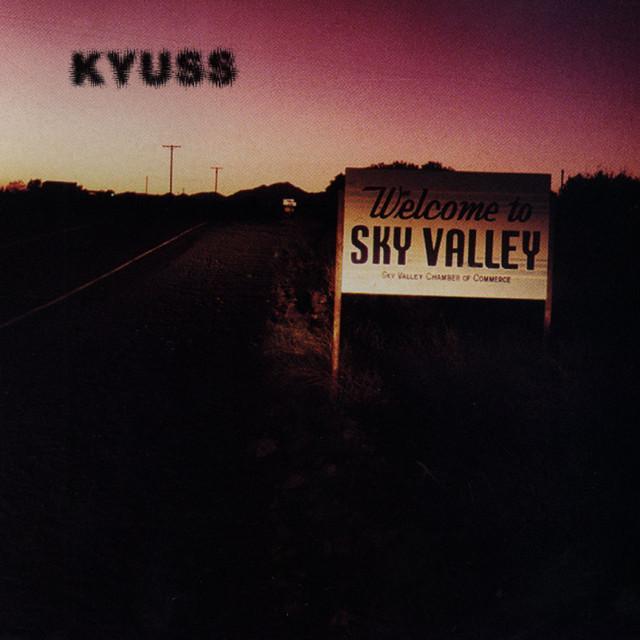
Why 'Space Cadet' by Kyuss Feels So Far Away
Kyuss built their reputation on heavy, desert-born rock, but "Space Cadet" stands out because it pulls inward instead of pushing outward. For listeners searching for the meaning of Space Cadet Kyuss, the song feels less like a story with a clear ending and more like a portrait of isolation, waiting, and fragile self-cleansing.
"Space Cadet" - Kyuss
No one ever tends to me
Sitting alone, covered in rays
Loading lyrics...
Unable to load lyrics
We're unable to display the lyrics at this time. Please try again later.
It was written by Scott Reeder and Josh Homme, as provided in the song context here. Rather than lean on riff power alone, the track slows down and lets stillness do part of the work. That shift matters, because the music and the words point to the same idea: a person who is physically present but emotionally far away.
The Song’s Core Idea Lives in Waiting
At its heart, the song seems to describe someone separated from other people and even from part of themselves. Early on, the narrator says they stand alone
and no one tends to them. That is a simple image, but it frames the whole song as a state of neglect, distance, and emotional exposure.
Interpretation: the key tension is not just loneliness. It is the feeling of waiting for life to arrive, while being unable to force it. When the song repeats that waiting takes a long time, it turns patience into pain.
The refrain about how it never comes
gives that feeling its sharpest shape. The missing thing is never named clearly. That ambiguity is important. It could be comfort, connection, inspiration, healing, or even a sense of purpose.

Watch the official Space Cadet
music video
A Speaker Lost Between Nature and the World
One of the most striking parts of the lyric is how the narrator looks for relief in the physical world. They are draped in sun
with hands in sand
, and the earth seems to cleanse them. These are grounded, tactile details. They suggest someone trying to reset their mind through heat, light, and contact with the land.
That fits Kyuss well. The band is closely tied to the California desert scene, and their sound often carries that wide, dry atmosphere. Even without outside links in the article body, that context helps explain why the imagery feels so natural rather than decorative.
Interpretation: nature offers temporary purification, but not full rescue. The earth can clear the mind for a moment, yet it cannot make the absent world arrive. That is why the cleansing image feels bittersweet instead of triumphant.
The Missing Part of the Self
In the second half, the song becomes even more intimate. The narrator lies at the edge of a room, near someone who expects nothing from them. That detail suggests a relationship without pressure, but also without real connection. The scene is quiet, almost numb.
Then comes one of the song’s most revealing ideas: they miss that part of me
. Instead of saying they miss a person, they miss a lost piece of themselves. That line shifts the song from social isolation to inner fracture.
One Short Passage That Sums It Up
The waiting is hard
Fucking takes so long
This brief passage is blunt where the rest of the song is dreamy. It breaks the haze and says the central feeling directly. Waiting is not poetic here. It is exhausting.
How the Sound Deepens the Meaning
A big part of the meaning of Space Cadet Kyuss comes from its arrangement. Unlike the band’s more aggressive tracks, this one feels spacious and patient. The performance leaves room around the vocal, which makes the loneliness feel larger.
The softer dynamics also matter. Instead of overpowering the listener, the song seems to hover. That hovering quality matches the title "Space Cadet," a phrase often used for someone who seems absent, dazed, or mentally elsewhere.
Interpretation: the production turns detachment into atmosphere. The listener does not just hear alienation; they sit inside it.
Two Strong Readings of "Space Cadet"
There is more than one reasonable way to read the song:
- Emotional burnout: The narrator may be drained, withdrawn, and unable to reconnect with ordinary life.
- A search for cleansing: The desert imagery may suggest a ritual of recovery, where the body rests in nature while the mind waits for renewal.
- A portrait of depression: The passivity, repetition, and distance can support this reading, though that remains interpretation rather than confirmed author intent.
What gives the song its power is that none of these readings cancel the others out. They can all exist at once.
Why the Song Still Connects
"Space Cadet" lasts because it captures a familiar but hard-to-name feeling: being alive, aware, and still unable to reach the world fully. It does not offer a neat resolution. Instead, it stays in that suspended state and lets the listener recognize it.
For many fans, that honesty is the point. The song understands that calm and pain can live in the same space. Sunlight can warm the body while the mind still waits.
In the end, the meaning of Space Cadet Kyuss is best understood as a meditation on isolation, delayed relief, and a self trying to feel whole again. That reading is an interpretation based on the lyrics, sound, and context, and like many great songs, it remains open to the listener’s own experience.







