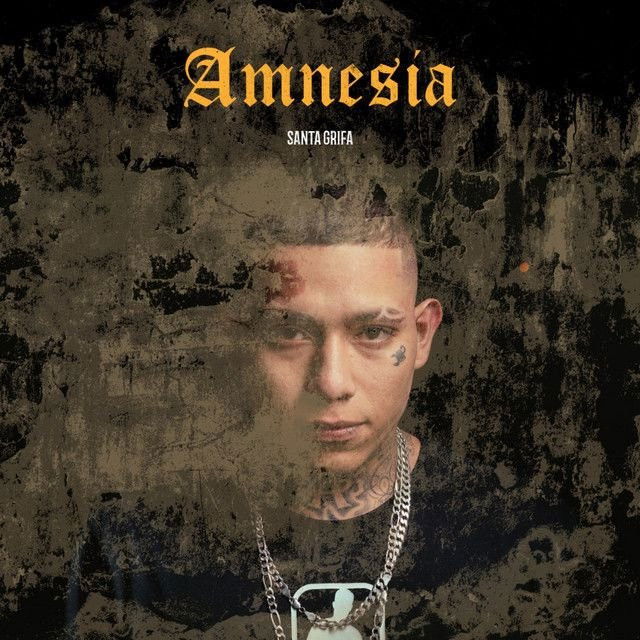
Why ‘Amnesia’ by La Santa Grifa Hits So Hard
The meaning of Amnesia La Santa Grifa comes down to a simple but sharp idea: they turn heartbreak into defiance. The song sounds like a breakup anthem, but beneath the swagger, it is really about betrayal, wounded pride, and the way people try to survive emotional damage by acting untouchable.
"Amnesia" - La Santa Grifa
No se puede explicar ni me pueden mentir si con mis propios ojos lo veo
Yo no creo, que otras nenas me hagan el feo
Loading lyrics...
Unable to load lyrics
We're unable to display the lyrics at this time. Please try again later.
La Santa Grifa are known in regional-urban circles for mixing streetwise storytelling with blunt emotion, and that style matters here. In this track, the speaker insists the relationship is over and that desire has faded. But the more they repeat that claim, the more the song reveals a person still arguing with the past.
The Real Story Under the Tough Talk
On the surface, the narrator says they no longer want their ex and no longer feel broken. Early on, they claim ya no estoy tan triste
, framing the breakup as something they have already survived. They also say the man the ex once loved ya no existe
, which suggests a full identity change after betrayal.
That is the first key to the song. It is not just about forgetting someone. It is about becoming someone else because of what happened. The title “Amnesia” seems less like literal memory loss and more like emotional erasure. They want to forget the old relationship and the softer self that existed inside it.
Interpretation: the song’s biggest conflict is that they cannot truly erase the past. If they could, they would not need to keep announcing their freedom.

Watch the official Amnesia
music video
Betrayal Is the Engine of the Lyrics
The turning point is not ordinary heartbreak. It is dishonesty. The narrator directly ties the breakup to lies and disloyalty, and later says nunca se perdona
when speaking about betrayal. That line gives the song its moral center: this is not framed as a sad split but as a violation.
Because of that, the speaker moves from grief to judgment. They tell the ex to leave, say they do not need her, and imagine her eventually suffering the same pain. In plain terms, they are trying to reclaim power after feeling humiliated.
This is why the song often sounds harsh. The insults, bragging, and revenge fantasies are not random decoration. They work as armor. Instead of sitting in sorrow, the narrator chooses ego, pleasure, and distance.
Why the Chorus Feels Cruel and Honest
The chorus is the emotional hook because it mixes pain with revenge. The narrator predicts that the ex will cry, suffer, and realize that no one will love her the same way. That idea is more than bitterness. It shows they still want the loss to mean something.
Y vas a llorar como yo lloréY nadie te amará como yo te amé
Those lines are not just threats. They are also confessions. The speaker is admitting how deeply they loved and how deeply they hurt. The need for the ex to one day understand that pain reveals that closure has not fully arrived.
Interpretation: the chorus says, “I am over you,” while proving the opposite. It is a classic contradiction in breakup music, and it gives the song its sting.
The Symbols: Liquor, Women, and the Idea of “Amnesia”
Several recurring images build the song’s meaning:
- Liquor stands for numbing pain. They describe memory being drowned out and wounds healing alongside bottles, which suggests coping rather than peace.
- Other women symbolize rebound energy and wounded pride. The narrator uses attention from others as proof of value after rejection.
- Fire and light mark the end of love and the start of survival. When the flame goes out and the sun comes back, the song shifts from attachment to endurance.
- Amnesia works as a fantasy of emotional deletion. They want not just separation, but a total rewrite of feeling.
One especially revealing line says se apagó la llama
. It sounds final, but within the full song it feels defensive, like they are forcing themselves to accept that the old warmth is gone.
How the Sound Carries the Meaning
Even without official production details in the provided context, the performance style tells a lot. The track fits La Santa Grifa’s direct, conversational approach: a steady rhythm, melodic phrasing, and a vocal delivery that moves between confession and flex. That blend matters because the song is trying to do two jobs at once.
First, it has to sound wounded enough to feel believable. Second, it has to sound tough enough to protect the narrator from that wound. The result is a song that likely leans on repetition, singable hooks, and a street-ballad tone to make pain feel public and powerful.
For listeners in the United States, especially those who follow Mexican urban and regional crossover scenes, that mix of heartbreak and bravado is a big part of the appeal. The song does not hide ugly feelings. It puts them front and center.
A Second Reading: Healing or Performance?
There are at least two ways to hear the meaning of Amnesia La Santa Grifa.
Interpretation 1: it is a real healing song. The narrator has accepted the end, set a boundary, and is moving on in rough but honest fashion.
Interpretation 2: it is a performance of healing. The drinking, bragging, and repeated warnings suggest someone still trying to convince himself that he no longer cares.
Both readings fit. In fact, that tension is what makes the song feel human. People often recover in messy, contradictory ways.
Why the Song Connects
“Amnesia” connects because it refuses to make heartbreak look noble. Instead, it shows the less flattering side of loss: ego, anger, jealousy, and the need to “win” the breakup. That emotional mess is exactly what makes it believable.
In the end, the song is not really about forgetting. It is about what people say when they are desperate to forget and not fully there yet.
Disclaimer: This interpretation is based on the lyrics provided and general artistic context. Song meaning can remain subjective and may differ from the artist’s private intent.








