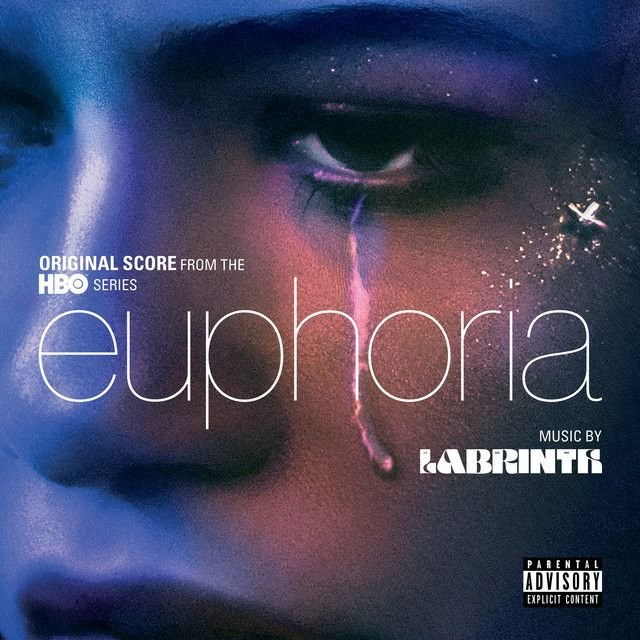
WTF Are We Talking For by Labrinth
They don’t mince words. Labrinth’s track is a standoff in song form, where a heated talk threatens to tip into a fight. This breakdown explains the meaning of WTF Are We Talking For Labrinth by mapping its tense lyrics to character, mood, and sound.
"WTF Are We Talking For" - Labrinth
I got no time to talk no more
What the fuck are we squabbling for?
Loading lyrics...
Unable to load lyrics
We're unable to display the lyrics at this time. Please try again later.
A Standoff in Plain Sight
At its core, the song rejects endless arguing. The hook’s demand—What the f*** are we talking for?
—cuts through drama and delay. The speaker wants the cycle of back-and-forth to end, insisting they have no time to talk
.
Interpretation: They’re drawing a boundary. The song frames talk as unproductive when it’s just noise or bait. Instead of resolving conflict, this talk keeps both people on edge. The refusal to keep debating is a power move, but it’s also a warning: stop now, before things get worse.
Watch the official WTF Are We Talking For
music video
Who’s in the Room, and What’s Their Angle?
The voice is first-person, sharp, and tired. They’re addressing a direct “you,” someone who’s pushing their buttons. When the line invokes start no war
, it signals two truths at once: both sides know the stakes, and both understand how quickly words can turn into blows.
Interpretation: Listeners can hear this as a partner argument, crew beef, or any tense situation that’s circling the same points. The specificity of the second-person address keeps it personal, not abstract. The speaker isn’t calling for peace so much as calling for an end to useless talk.
How the Moment Unfolds
Think of the track as a short timeline:
- The argument hits a wall; patience runs out.
- The speaker warns that they won’t entertain more baiting.
- Pride and threat surface, signaling a hard line.
- The cycle repeats, like anger looping in real time.
That repetition mirrors how fights feel—stuck in a loop. Each return to the hook tightens the mood rather than loosening it.
Pride, Power, and Punchlines
A key phrase, mother never raised no bitch
, plants the song in pride culture—strength, reputation, and refusal to be disrespected. It suggests a personal code learned early: stand up, don’t fold. When the narrator mentions a five-finger sandwich
, they turn tension into a vivid image. Humor and threat meet in one punchline, making the line memorable and menacing.
Interpretation: The blend of bravado and boundary-setting creates a paradox. The speaker both rejects more talk and leaks the possibility of violence. That contradiction feels real; it captures a moment when someone is trying not to explode while also reminding the other person why they shouldn’t push.
The Hook as a Pressure Valve
Choruses are where pop songs release feeling. Here, the hook tightens it. Each return to no time to talk
pushes the argument away from dialogue and toward finality. The line you will fall so hard
isn’t a promise as much as a line in the sand—an if-then statement: if you keep pressing, consequences follow.
Interpretation: Listeners may hear the hook as emotional self-defense. Cutting off conversation is a way to avoid saying or doing something worse. The song doesn’t celebrate violence; it spotlights the cliff edge.
Sound That Squares Its Shoulders
Even without a detailed credit list, the performance style points to Labrinth’s knack for dramatic tension. Expect a percussive backbone, bold low end, and a vocal that sits forward, almost like a shout. Short, clipped lines match the lyrical impatience, and the repetition feels like a chant you can’t ignore.
Interpretation: The production likely keeps space around the voice, letting each phrase land like a jab. Minimalism here isn’t emptiness; it’s focus. Every hit—drum, bass, or ad-lib—adds to the sense of a room where the temperature is rising.
Alternate Angles Worth Considering
- Street code and self-control: The narrator claims toughness while trying not to escalate. The line between pride and peace is razor-thin.
- Mental boundary: The “you” could be internal— intrusive thoughts or anxiety. In that read, the speaker cuts off spirals before they spiral out of control.
- Performance persona: The stance can be theatrical, showing a character who embodies bravado to survive public conflict.
Each reading fits because the language is direct but open. There are no details about place or time, which lets the song become a template for any standoff.
Why It Resonates Now
In an age of constant arguing—online and off—the refusal to “keep talking” can feel like relief. The track recognizes that not every debate leads to truth. Sometimes the smartest move is to exit before words turn into wounds.
Takeaway
The meaning of WTF Are We Talking For Labrinth centers on boundaries under pressure. They shut down empty arguments, assert self-respect, and warn against escalation. It’s a portrait of a moment right before the break.
Disclaimer: This interpretation is for analysis and commentary. Actual intent may vary, and listeners may reasonably read the song in other ways.







