Bad Romance by Lady Gaga
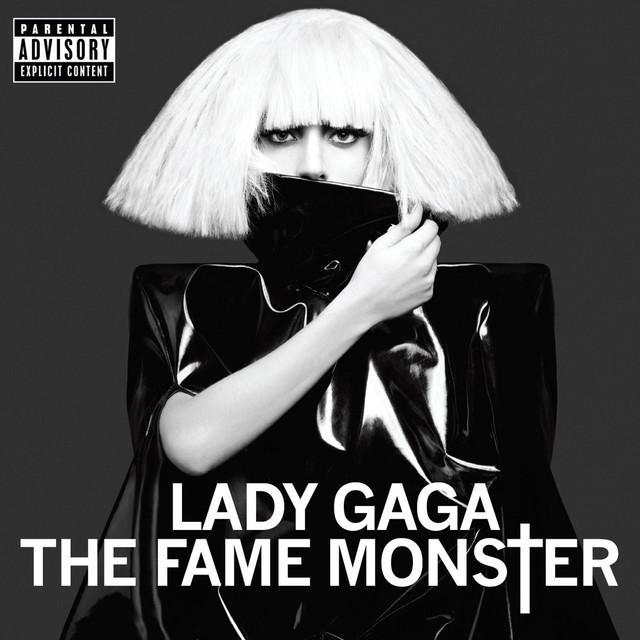
Lady Gaga's biggest hooks often sound playful at first. But the meaning of Bad Romance Lady Gaga is darker than its chant-along chorus suggests. Released in 2009 as the lead single from The Fame Monster, the song turned obsession, danger, and desire into sleek pop theater, helping define Gaga's early career and a new era of mainstream pop.
"Bad Romance" - Lady Gaga
Caught in a bad romance
Oh-oh-oh-oh-oh-oh-oh-oh-oh-oh-oh-oh
Loading lyrics...
Unable to load lyrics
We're unable to display the lyrics at this time. Please try again later.
According to widely cited release information, "Bad Romance" was written by Lady Gaga and RedOne and issued on October 19, 2009, from The Fame Monster reissue/EP. It became a global smash, topping charts in more than 20 countries and reaching No. 2 on the US Billboard Hot 100, while its video became one of the signature pop visuals of its era (Wikipedia).
The Heart of the Song Is Desire Without Safety
At the simplest level, the song is about wanting someone even when they are clearly bad news. Gaga does not describe a stable, tender romance. Instead, they present attraction as a pull toward chaos, emotional risk, and even self-sabotage.
That is why phrases like bad romance
and I want your love
matter so much. The first admits the relationship is unhealthy. The second keeps reaching for it anyway. The tension between those ideas is the whole song: they know the danger, but they still want the feeling.
Interpretation: The song works because it refuses to clean up that contradiction. It does not offer a moral lesson. It shows how people can desire what harms them, especially when intensity feels more exciting than peace.

Watch the official Bad Romance
music video
Gaga's Own Context Makes the Meaning Clearer
Gaga linked the song to unhealthy attraction, loneliness on tour, and intense emotional states. In comments summarized by major sources, they said it was written while touring in Europe and reflected both touring isolation and attraction to unhealthy romances. They also described wanting a more experimental pop sound shaped by German house and techno influences (Wikipedia).
One of Gaga's most revealing explanations is brief and useful. They said the song is about wanting the parts of a person they hide from everyone else. That helps explain why the lyrics chase not just beauty, but ugliness, sickness, and fear.
So when the song reaches for your ugly
or your disease
, it is not just shock value. It is describing love as total appetite, a desire to consume every part of someone, including the parts that should probably raise alarms.
The Chorus Turns Obsession Into a Pop Slogan
The chorus is one reason the song became so huge. It is easy to sing, but emotionally twisted. Gaga pairs love with revenge, then frames the relationship as something they could almost author together.
That combination is crucial. I want your revenge
suggests that this is not a simple crush. It is a bond built on drama, pain, jealousy, and power. Even the famous nonsense hook, often explained as an abbreviation of "romance," turns the idea of love into branding, chant, and ritual (Wikipedia).
Interpretation: The chorus sounds triumphant, but its meaning is uneasy. It treats toxicity like a fantasy script both people are writing together. That makes the song feel both self-aware and trapped.
Horror, Fashion, and Film All Feed the Theme
The verses stack images of violence, glamour, and cinema. There are references to Alfred Hitchcock films, especially around ideas of voyeurism, instability, and danger. Those details matter because they shift the song from ordinary heartbreak into stylized psychological drama.
The spoken bridge also matters. Its fashion-command energy turns romance into performance:
Walk, walk, fashion, baby
Work it, move that bitch crazy
This is the article's only longer lyric excerpt, and even here the point is larger than the words themselves. Gaga merges runway language with emotional chaos, suggesting that identity, sex appeal, and power are all being staged.
Interpretation: The song may be about a lover, but it also hints that desire itself has become a performance. Love is not private here. It is costumed, exaggerated, and sold.
The Production Sounds Like Seduction and Alarm
A big part of the meaning of Bad Romance Lady Gaga comes from its sound. RedOne co-produced the track, and the record blends electropop, dance-pop, dark pop, and house-techno influence with pounding drums and icy synths (Wikipedia).
That production choice is not just stylish. It supports the theme. The beat is club-ready and thrilling, but the synths can feel cold and mechanical. Gaga's vocal delivery flips between chant, plea, growl, and command. Together, those elements make the song feel like both surrender and control.
Instead of sounding warm or romantic, the track feels sharp, glossy, and slightly threatening. That is why the song's central obsession lands so strongly. The music tells listeners this is attraction under neon lights, where fantasy and danger blur together.
The Video Pushes the Song Into Social Commentary
The Francis Lawrence-directed video made the song even bigger and more layered. Its imagery of abduction, auction, and spectacle has often been read as a comment on commodification, power, and gender. Gaga reportedly described the trafficking imagery as a metaphor for women being treated like products in the music industry (Wikipedia).
That context expands the song beyond personal obsession. A "bad romance" can also mean a toxic relationship with fame, image, or the systems that profit from desire. Critics and scholars have often made that second reading, especially because The Fame Monster as a project explored the dark side of celebrity.
Why the Song Still Hits
"Bad Romance" lasts because it says something uncomfortable in a massive pop language. It understands that people do not only want healthy love. Sometimes they want intensity, danger, fantasy, and the feeling of losing control.
That does not mean the song celebrates toxicity in a simple way. Interpretation: It dramatizes it, exposing both its pull and its emptiness. In that sense, the song is both confession and critique.
For many listeners, that is the real meaning of Bad Romance Lady Gaga: a portrait of desire so extreme that it starts to look like addiction, performance, and power all at once.
Disclaimer: This interpretation combines documented context with critical reading. Like most pop songs, "Bad Romance" can support more than one meaning.








