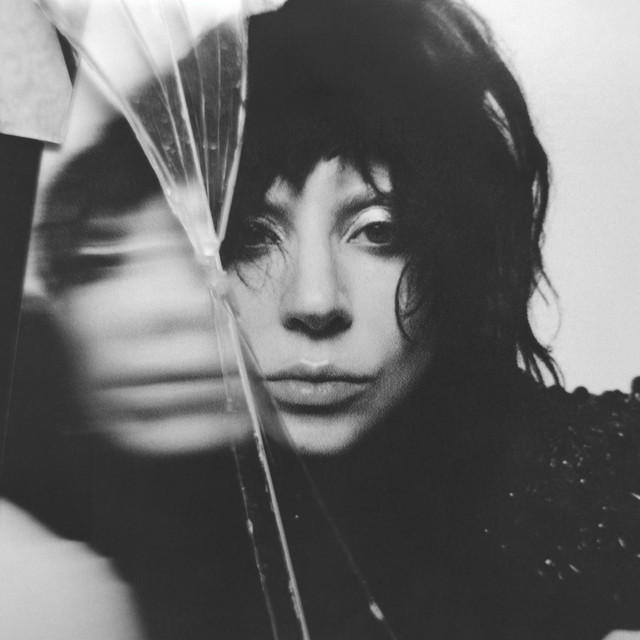
Why "The Dead Dance" Turns Heartbreak Into Motion
The meaning of The Dead Dance Lady Gaga starts with a simple emotional switch: a breakup feels like a kind of death, but music turns that numbness into movement. Lady Gaga frames the song as a dance-pop comeback story, where pain does not disappear, but it gets transformed.
"The Dead Dance" - Lady Gaga
Like a thief in my head, you criminal
You stole my thoughts before I dreamed them
Loading lyrics...
Unable to load lyrics
We're unable to display the lyrics at this time. Please try again later.
Released on September 3, 2025, through Interscope and added to the digital reissue of Mayhem, the song was also tied to Wednesday season 2 and later won Best Original Song – TV Show/Limited Series at the Hollywood Music in Media Awards. According to Wikipedia, Gaga wrote and produced it with Andrew Watt and Cirkut. That team matters because the track sounds polished, dramatic, and built for a big emotional release.
A Breakup Song Disguised as a Club Anthem
At its core, the song describes emotional damage after love ends. The verses use images of theft, strategy, and inner invasion to show how deeply the other person affected the narrator. When they hear a voice like a thief
, the point is not crime in a literal sense. It is that the breakup still lives in the mind, stealing peace and private thoughts.
Another sharp image appears with killed my queen
. That line turns the relationship into a chess match, where one move changes everything. It suggests not just heartbreak, but humiliation and sudden defeat.
Interpretation: Gaga uses exaggerated, almost gothic language because ordinary breakup language would feel too small. The song is about emotional destruction, but it wants that destruction to feel theatrical, vivid, and worth dancing through.
The Chorus Changes the Whole Story
The hook is what gives the song its real message. On paper, dancin' until I'm dead
sounds bleak. In context, it means the opposite. The narrator refuses to freeze in grief.
That idea becomes even clearer when the song says that's when I came alive
. The emotional low point creates a strange rebirth. Instead of begging for the relationship back, the speaker finds a new self through rhythm, movement, and public release.
This fits Gaga's own explanation. In a brief Songfacts summary citing Netflix Tudum, she said the track came from breakup pain and from the way dancing with friends can restore joy after something hard. That context is important: the song is not celebrating misery. It is celebrating survival.
Who Is Speaking in the Lyrics?
The song uses a first-person voice, which makes the feelings direct and immediate. They are speaking to or about someone who caused harm, but the song never stays trapped in that relationship for long.
By the second half, the power balance flips. The line creature of the night
suggests a new identity born from pain. Instead of being ruined, the narrator becomes haunting, untouchable, and even a little dangerous.
That shift gives the song a revenge-adjacent feeling without turning it cruel. The goal is not to destroy the ex. The goal is to become impossible to erase.
Gothic Images, Pop Purpose
The imagery in "The Dead Dance" is dark, but its function is surprisingly hopeful. Words tied to death, haunting, and night are not there to make the song hopeless. They help dramatize the emotional numbness that comes after a breakup.
A short passage captures that tension well:
Do the dead dance
The dead dance
But I'm alive on the dance floor
This is the song's central paradox. They feel emotionally dead, yet the dance floor becomes the place where life returns. The phrase is campy, spooky, and catchy, but it also carries the entire thesis of the song.
Key symbols that drive the meaning
- Death: emotional shutdown after love ends
- Dance: a way to process pain physically
- Night/haunting: the afterimage of a broken relationship
- Chess imagery: the breakup as a losing power struggle
- Music: the force that restores selfhood
How the Production Sells the Emotion
Part of the meaning of The Dead Dance Lady Gaga comes from its sound. Factually, the track has been described as synth-pop and disco, with an upbeat bassline, 1980s-style synths, and flashes of guitar. That contrast matters.
If these lyrics sat over a slow piano ballad, they would sound crushed. Instead, the beat pushes forward at dance-floor speed. The production creates the same emotional argument as the words: sadness can move, not just sit still.
Andrew Watt reportedly said the team wanted it to be as danceable as possible, and that intention shows. The groove is tight and bright, while Gaga's delivery balances theatrical drama with control. They are not hearing someone collapse. They are hearing someone rebuild in real time.
The Wednesday Connection Deepens the Reading
The song gained extra meaning through its link to Wednesday season 2, where its spooky tone fit the series' gothic world. That connection also explains why the song feels bigger than a private breakup diary. It is written to live in a dramatic, communal space.
The Tim Burton-directed video pushed that even further with graveyard imagery, dolls, black-and-white photography, and choreography compared by critics to "Thriller." All of that visual framing reinforces the same idea: pain can be stylized, ritualized, and turned into performance.
Interpretation: In that sense, the song is not only about heartbreak. It is also about persona. Gaga turns private hurt into public theater, which is one of her oldest and strongest artistic moves.
Final Take: A Resurrection Record
"The Dead Dance" works because it never chooses between darkness and fun. It keeps both. The song admits that heartbreak can hollow a person out, then insists that rhythm, friendship, and self-performance can fill that space again.
For listeners, that is the real meaning: grief may feel like an ending, but movement can become a form of return. Interpretation: the song's triumph is not that the pain was unreal. It is that the pain did not get the last word.
Disclaimer: This interpretation is based on the lyrics, available artist comments, and documented release context. As with most pop songs, different listeners may hear different meanings.







