Laid to Rest by Lamb of God
Why This Song Still Hits So Hard
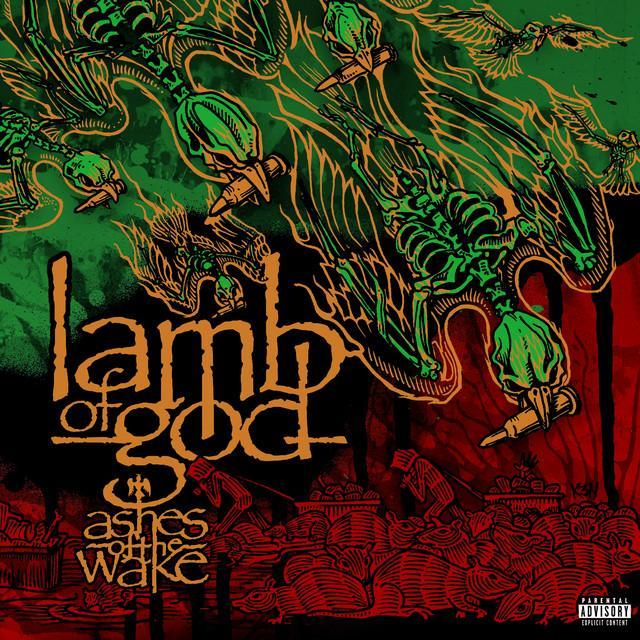
The meaning of Laid to Rest Lamb of God starts with a blunt idea: this is a song about cutting off deception, rage, and emotional weakness with violent finality. It is not subtle, and that is the point. Lamb of God built their name on songs that turn anger into sharp, physical sound, and this track became one of their defining statements after appearing on Ashes of the Wake in 2004.
"Laid to Rest" - Lamb of God
A single breath I could take
I'd trade all the others away
Loading lyrics...
Unable to load lyrics
We're unable to display the lyrics at this time. Please try again later.
Factually, the song was written by Chris Adler, D. Randall Blythe, John Campbell, Mark Morton, and Willie Adler, and released during the band’s rise into mainstream metal visibility. Its album is widely recognized as a landmark in 2000s heavy metal. Those facts matter because the song sounds like a breakthrough moment: faster, tighter, and more direct than pure chaos.

Watch the official Laid to Rest
music video
A Voice Speaking From Total Rejection
At the center of the lyrics is a speaker who sounds disgusted, betrayed, and done. They are not asking for peace. They are declaring an ending. When the song opens with a wish for a single breath
and one meaningful day, it briefly sounds almost reflective.
But that opening is quickly crushed by the rest of the song. The lyrics move from desire into accusation, then into punishment. The speaker sees the other person—or possibly a failed version of the self—as something ruined beyond repair.
Interpretation: That shift is why the song feels so intense. It starts with a tiny image of life’s value, then answers it with destruction. In other words, the song treats truth as something painful but necessary.
The Chorus Turns Anger Into a Verdict
The hook is where the song’s message becomes clearest. The command lay this to rest
does not sound gentle or healing. It sounds like burial. The repeated attack on another failure
frames the target as a dead weight that has to be smothered and removed.
This is also where the song invites two strong readings:
- A confrontation with another person. The speaker is addressing someone dishonest, weak, or manipulative.
- A confrontation with the self. The target is a part of the speaker they hate and want gone.
Both fit the lyrics. The line you’re better alone
can sound like an insult thrown outward, but it can also sound like self-directed contempt. That ambiguity gives the track more depth than a simple revenge fantasy.
Images of Blood, Bleach, and Truth
One reason the song lasts in listeners’ minds is its imagery. The lyrics move through blood on a wall, bleach on stains, screws being turned, and dreams being killed as soon as they live. These are harsh images, but they all connect to the same theme: erasing what cannot be fixed.
The reference to cleaning and bleaching suggests a desperate effort to remove evidence. That matters because the song is not just about anger; it is about aftermath. Something bad has already happened. The speaker wants confession, then obliteration.
A key moment comes in the promise to chain you to the truth
. This line twists a familiar idea about truth bringing freedom. Here, truth is not soft or uplifting. It is a weapon.
I’ll chain you to the truth
for the truth shall set you free
That short passage captures the song’s dark logic. Honesty is framed as punishment before it becomes release.
How the Music Carries the Meaning
The production and performance make the lyrics feel even more severe. Chris Adler’s drumming is one of the song’s biggest storytelling tools. His quick double-kick patterns and precise snare work create the sense of someone driving forward without mercy. The guitars lock into jagged, mechanical riffs instead of a loose groove, which makes the song feel like a machine built for pressure.
Randy Blythe’s vocals matter just as much. He does not sing these lines as private sadness. He spits and barks them with clipped force, making every phrase sound like an order or sentence. That delivery pushes the song away from sorrow and toward judgment.
Interpretation: This is why the track became such a staple in modern metal. It turns emotional collapse into physical momentum. Listeners do not just hear rage; they feel it in the stop-start riffs and the tight, percussive attack.
More Than Simple Revenge
It would be easy to reduce the song to pure aggression, especially because of phrases like destroy yourself
. But that misses what gives it staying power. The song is really about severance—ending a lie, ending a bond, or ending an illusion.
The recurring references to failure suggest disgust with repeated mistakes. The target has not just done wrong once; they represent a pattern. That helps explain why the song feels so final. There is no attempt to rebuild trust.
There is also a buried sadness in the opening and closing lines. Returning to the wish for one real day or breath hints that beneath the fury is a person who knows life is precious. That contrast gives the song emotional weight. It is not joy in violence; it is despair turned outward.
Why Fans Connected With It
Part of the meaning of Laid to Rest Lamb of God comes from timing and reception. In the early 2000s, American metal was shifting toward a more precise, groove-heavy, modern sound, and Lamb of God were central to that change. This song helped define them because it balanced complexity with a direct, memorable hook.
Fans often connect with it because it gives shape to feelings that are hard to say calmly: betrayal, disgust, and the need to cut ties. The track does not offer comfort. It offers release.
Final Take on Its Meaning
In the end, Laid to Rest is about forcing an ending. Whether the speaker is burying another person, a toxic relationship, or a hated part of themselves, the song treats truth as brutal but necessary. Its lyrics, riffs, and vocal attack all point toward the same goal: erase the failure, face the damage, and move on without mercy.
That is why the song still lands so hard. It gives anger structure.
Disclaimer: This interpretation is based on the lyrics, the song’s musical presentation, and publicly known context. As with many metal songs, listeners may reasonably hear different meanings in its imagery and point of view.








