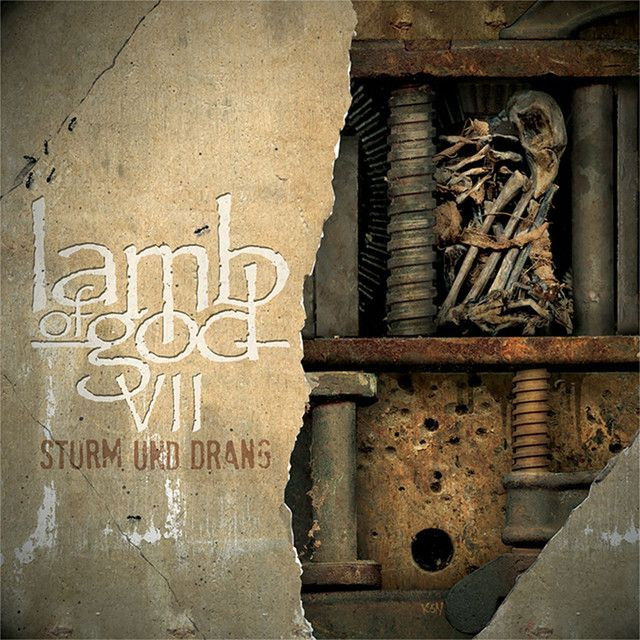
Overlord by Lamb of God: A Brutal Look Inward
Why This Song Hits So Hard
The meaning of Overlord Lamb of God is not about a fantasy ruler or an outside monster. It is about a person being crushed by their own habits, ego, and refusal to face reality. The song points its anger inward. Instead of blaming the world, it argues that the real danger is self-made.
"Overlord" - Lamb of God
You're all surprises, consistency, defied
An overwhelming sense of predictability
Loading lyrics...
Unable to load lyrics
We're unable to display the lyrics at this time. Please try again later.
That idea gives the track its force. Lamb of God are known for sharp, confrontational writing, and here they use that style to describe someone locked in a cycle of misery. The repeated message is simple: the person keeps creating the pain they complain about.

Watch the official Overlord
music video
The Core Meaning: Self-Destruction Disguised as Victimhood
At its center, the song sounds like a direct address to someone who always feels wronged but never takes responsibility. The narrator sees a pattern of blame, self-pity, and denial. When the chorus says You will destroy you
, it turns the whole song into a warning.
That line matters because it shifts the source of harm. The threat is not society, enemies, or bad luck. It is the self. The next idea, tore yourself in two
, suggests inner conflict so strong that the person has become divided against themselves.
Interpretation: The title “Overlord” may point to the way a damaged ego becomes a ruler over someone’s life. Their pride, resentment, or grievance starts controlling everything. In that reading, the “overlord” is not another person at all. It is the part of the self that dominates reason.
A Speaker With No Patience Left
The song’s voice is harsh, but it is also specific. The narrator is not confused about what they are seeing. They describe someone with what amounts to learned helplessness mixed with arrogance. The target wants sympathy, yet refuses self-examination.
That is why images like shadow of your doubt
matter. The person lives under constant uncertainty and insecurity, but they also seem committed to staying there. The song is angry because the problem is visible, avoidable, and repeated.
The Mirror Image at the Center
One of the strongest ideas in the lyric is that the truth is right in front of the person, and they still cannot face it. The mirror imagery makes that plain. The problem is “hidden in plain view” because the person looking for answers is also the cause.
All the world's a stage
But you are the only player
This brief section paraphrases a worldview of total self-absorption. The person treats life like a private drama where only their pain counts. Everything bends toward their crisis.
How the Verses Build the Theme
The verses pile up accusations in a careful way. First, they point out contradiction: the person is both predictable and chaotic. Then they expose a pattern of complaint without accountability. By the time the chorus arrives, the listener understands the diagnosis.
Three key ideas build the song:
- They refuse responsibility.
- They feed their own misery.
- They make themselves the center of every conflict.
The phrase endless complaining
captures the second point without needing much explanation. The song portrays unhappiness as something the person keeps rehearsing, almost like a ritual.
Sound and Delivery: Why the Message Lands
Lamb of God’s music often combines groove-metal weight with hardcore urgency, and that style helps this song communicate disgust and pressure. According to the band’s official discography and album credits, the group wrote the song with producer Josh Wilbur, a longtime collaborator known for a dense, punchy modern metal sound (Lamb of God, Discogs).
The arrangement reinforces the lyric’s message. The riffs feel circular and grinding, which suits a song about being stuck in a loop. The drums push forward with force, but the vocal phrasing often sounds like an accusation rather than a confession. Randy Blythe’s delivery gives the words a cutting, almost prosecutorial shape.
Interpretation: If the music feels relentless, that may be the point. The listener is pulled into the same trap as the character: no escape, no growth, just repetition until collapse.
Context Within Lamb of God’s Writing
Lamb of God have often written about power, corruption, violence, and moral failure, both personal and political. What makes this song stand out is how narrow the focus is. Instead of targeting systems, it targets a mindset.
That gives the meaning of Overlord Lamb of God a more intimate sting. It can sound like an attack on one toxic person, but it can also feel uncomfortably universal. Most listeners know someone who turns pain into identity. Some may even recognize parts of themselves.
Two Strong Ways to Read It
Reading One: A Takedown of a Toxic Person
In the most direct reading, the narrator is confronting someone manipulative, self-pitying, and emotionally exhausting. The song becomes a refusal to keep enabling them.
Reading Two: An Internal Monologue
Interpretation: The song can also be heard as self-address. In this view, the singer is speaking to the worst part of the self: the voice that blames, spirals, and sabotages. That makes lines like can't ignore you anymore
feel like a moment of painful clarity.
Both readings work because the lyric stays focused on behavior, not biography. It does not need a named character to feel true.
Final Take: What “Overlord” Really Means
The song’s power comes from its blunt idea: people can become the architects of their own suffering. Through images of mirrors, doubt, and repeated misery, Lamb of God frame self-destruction as something active, not accidental.
For listeners searching for the meaning of Overlord Lamb of God, the best answer is this: it is a song about the tyranny of an unchecked self. Whether they hear it as an attack on another person or a savage look inward, the warning is the same.
Disclaimer: This interpretation is based on the song’s lyrics, recorded performance, and publicly available credits. As with most songs, meaning can vary from listener to listener.








