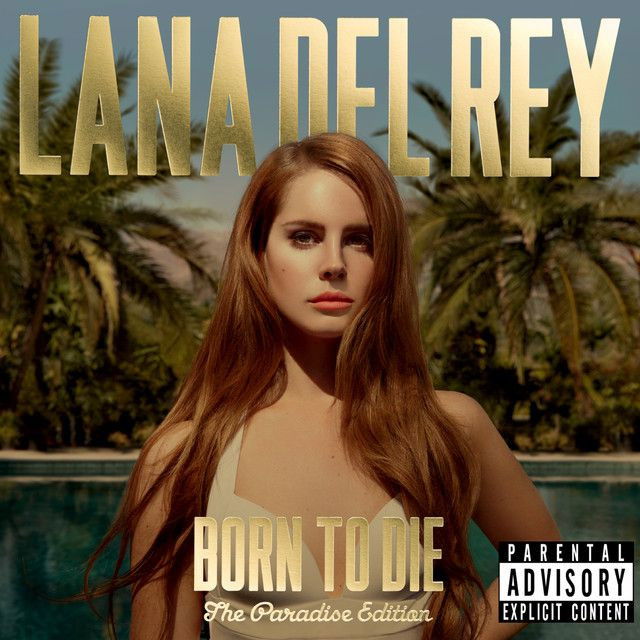
Why Lana Del Rey's "American" Feels Like a Dream
The meaning of American Lana Del Rey centers on desire, image, and myth. In this song, they present romance as something larger than ordinary life. The relationship feels exciting, cinematic, and deeply tied to symbols of American cool: records, fast cars, Springsteen, Elvis, Los Angeles, and youthful freedom.
"American" - Lana Del Rey
Get down, get your crystal method on
You were like tall, tan driving 'round the city
Loading lyrics...
Unable to load lyrics
We're unable to display the lyrics at this time. Please try again later.
Factually, “American” appears on Lana Del Rey’s 2012 Paradise EP, written by Elizabeth Grant, Rick Nowels, and Emile Haynie. That context matters because the Paradise era pushed her style further into lush, widescreen fantasy. “American” fits that mood perfectly.
More Than a Love Song
At the surface, the song is about being swept away by a charismatic man. The speaker describes him through glamour and motion: he drives, flirts, knows the right music, and seems ahead of everyone else. He is not just attractive; he feels like a whole lifestyle.
Interpretation: the romance matters, but the bigger subject is how love can fuse with a national fantasy. When the chorus lands on Like an American
, the phrase sounds less like a passport label and more like an emotional ideal. It suggests boldness, beauty, youth, confidence, and a kind of pop-cultural immortality.
That is why the song feels both personal and symbolic. They are not simply praising one man. They are also praising what he represents.
Watch the official American
music video
The Man as a Myth
The verses build that image through details that feel instantly recognizable. Mentions of Springsteen and Elvis place the love interest inside a line of American icons. Even the setting feels curated: records spinning, city driving, and a flirtatious social scene.
When the speaker says Springsteen is the king
and later nods to Elvis, the song is stacking references to two very different versions of Americana. One is heartland and working-class cool; the other is rock-and-roll glamour. Together, they create a composite fantasy man.
Interpretation: this is one of Lana Del Rey’s key moves as a writer. They often turn a lover into an emblem, using cultural references to make private feeling seem huge. In “American,” attraction becomes a collage of national style.
Youth, Freedom, and Performance
Another key part of the meaning of American Lana Del Rey is performance. The song keeps asking what it means to act, look, and feel “American.” That idea appears in commands like Be young, be dope, be proud
. It sounds celebratory, but it also sounds like a script.
That tension is important. The speaker loves this energy, yet the song hints that identity here is something worn and displayed. Clothes, music taste, attitude, and speed all become part of the role.
There is also a revealing line about Los Angeles where the speaker says they do not have to fake it anymore. That moment suggests belonging through fantasy. In L.A., surrounded by image and performance, the speaker feels natural inside the dream.
A Quick Narrative Map
- The song opens in a playful domestic scene with music and role-play.
- The love interest enters as a stylish, magnetic figure.
- The chorus turns his appeal into a bigger American image.
- The bridge narrows the focus, showing emotional dependence beneath the glamour.
That final step matters most. Beneath the bright surfaces, the speaker is not fully in control.
What the Chorus Really Means
The chorus sounds simple, but it carries the whole song. Phrases like You make me crazy
and spin me 'round
show how overpowering this attraction is. The speaker becomes childlike, dizzy, and thrilled.
Interpretation: that language mixes pleasure with surrender. The relationship feels liberating, yet it also makes the speaker lose balance. This double feeling is common in Lana Del Rey’s writing. Love can feel ecstatic while also making the self smaller.
Then the refrain returns to Like an American
. The hook suggests that this intensity itself is part of the fantasy: to live loudly, desire openly, drive fast, and feel larger than life.
How the Sound Supports the Fantasy
Production is a big part of why the song works. Rick Nowels and Emile Haynie help build a glowing, slow-motion atmosphere, consistent with their work across the Paradise release. The beat is steady rather than aggressive, and the arrangement feels airy, with reverb and soft expanses around the vocal.
That matters because the lyrics describe motion and excitement, but the music does not rush. Instead, it floats. The result is dream logic: fast cars and wild feelings seen through golden light.
Lana Del Rey’s vocal delivery deepens that effect. They sing with warmth and restraint rather than shouting passion. That choice makes the desire feel hypnotic, as if the speaker is already lost inside the fantasy they are describing.
The Bridge Changes the Song
The bridge adds vulnerability. The speaker admits that nobody else compares and that only this person can take them where they want to go. There is even a confession of uncertainty, followed by prayer.
This is where the song stops being just stylish. The emotional stakes become clear. The fantasy is not only fun; it is needed.
Interpretation: the bridge suggests longing for transcendence. The lover is not merely attractive but transformative, almost spiritual. That is why the song’s American imagery matters so much. America here is not a country in a literal sense. It is a dream-space where desire, freedom, beauty, and salvation blur together.
The Lasting Meaning
So what is the meaning of American Lana Del Rey? It is a song about falling for a person who seems to embody an ideal. Through pop-culture references and glowing production, it turns a crush into a myth of youth, freedom, and national style.
At the same time, it quietly shows the cost of that myth. The speaker sounds exhilarated, but also unsteady and dependent. That mix of pleasure and fragility is what gives “American” its staying power.
Disclaimer: This interpretation is based on the song’s lyrics, production, and known release context. As with most art, listeners may hear different meanings in the same lines.








