Why 'Bartender' Feels Like a Secret Escape
The meaning of Bartender Lana Del Rey comes into focus when the song is heard as a private love story under public pressure. Rather than glamorizing nightlife, it turns inward. The track imagines romance as something fragile, hidden, and worth protecting.
"Bartender" - Lana Del Rey
Wearing black to the house parties
Crosby, Stills and Nash is playing
Loading lyrics...
Unable to load lyrics
We're unable to display the lyrics at this time. Please try again later.
On the surface, there are parties, canyon women, and California drives. Under that surface, though, the song is about trying to keep one safe emotional space alive while fame, attention, and myth swirl around it.
A Love Song Hidden Inside California Myth
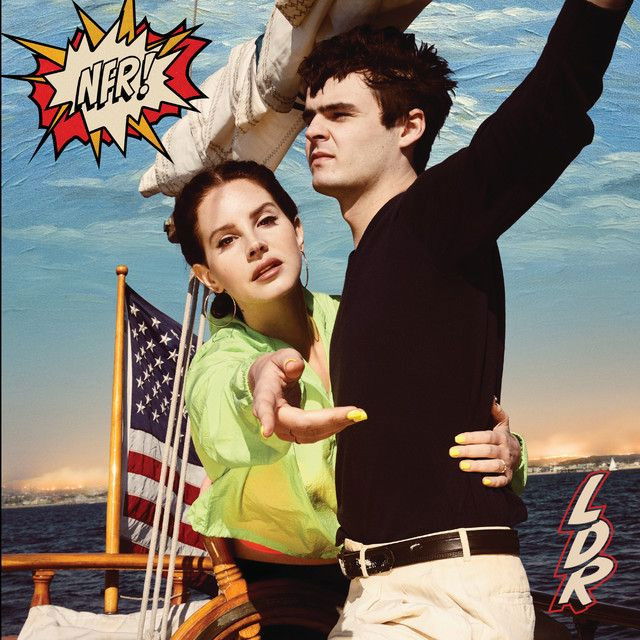
“Bartender” appears on Norman F*ing Rockwell!, Lana Del Rey’s 2019 album, released by Interscope and Polydor. The album was widely praised and later nominated for Album of the Year at the Grammys. “Bartender” was written by Elizabeth Woolridge Grant and Rick Nowels, two longtime collaborators in Del Rey’s catalog.
The song places listeners in a familiar Lana Del Rey setting: Laurel Canyon references, old-school California imagery, and a mix of glamour and sadness. The opening images of canyon women in black and white suggest scenes that feel both vintage and performative. These are social worlds full of style, ritual, and self-invention.
But the song quickly shifts away from the crowd. Even when the verses mention house parties and tea parties, the emotional center is not social life. It is privacy.

Watch the official Bartender
music video
What the Song Is Really Saying
At its core, the track is about preserving love when the outside world feels invasive. The key line is not about drinking or partying. It is the repeated wish to keep my love alive
.
That phrase gives the whole song its emotional frame. They are not chasing chaos. They are trying to hold on to tenderness.
Interpretation: the “bartender” can be heard as a lover, caretaker, or trusted figure who offers calm. Instead of serving alcohol, this person serves comfort. That idea becomes clearer when the singer says I'm not drinking wine
and prefers that cherry coke
. The song rejects the obvious symbol of intoxication and replaces it with something softer, sweeter, and almost childlike.
That swap matters. It suggests they want relief without self-destruction, closeness without spectacle.
Why Secrecy Matters So Much Here
One of the strongest ideas in the song is escape from surveillance. The line about photo free exits
points to a life where even leaving someone’s home can become public material. The mention of people not knowing what car they drive extends that same idea: privacy becomes strategy.
This is where the song’s late-night truck purchase becomes meaningful. Buying a truck in the middle of the night sounds impulsive, but it also sounds tactical. It is a move toward anonymity.
The Story in Three Quiet Moves
- They start in a world of social performance: canyon parties, fashion, music, and rituals.
- They pull away from that world to protect a relationship from cameras and attention.
- They end up on the road, still moving, still hiding, but still trying to keep love intact.
The highway details deepen that feeling. The line about 60 MPH on PCH
turns the Pacific Coast Highway into more than scenery. It becomes a route of emotional escape.
The Chorus Turns the Song Intimate
The repeated address to bartender
sounds simple, but it does a lot of work. Every time it returns, the song narrows from broad California imagery into a one-to-one connection.
That is why the chorus feels tender instead of theatrical. The title figure is less a nightlife character than a person who steadies them. The plea to be held all night makes the relationship feel immediate and vulnerable.
Interpretation: “bartender” may function like a pet name. It could point to someone who mixes sweetness, comfort, and escape into a difficult life. In that reading, the song is less about a place and more about a role someone plays in the singer’s emotional survival.
How the Sound Supports the Meaning
The production is notably light and airy. Rather than using a heavy beat or dramatic build, the track floats. Its soft piano and restrained rhythm create a feeling of distance, almost like thoughts passing during a nighttime drive.
That matters because the song is about concealment, not confession by explosion. The arrangement gives the words room to feel secretive. Del Rey’s vocal delivery is hushed and close, which makes the listener feel as if they are overhearing something private.
The famous little laugh near the end adds to that effect. It breaks the dreamlike mood for a moment and makes the scene feel human. Instead of perfect cinematic sadness, there is a flicker of real presence.
The Best Way to Read the Canyon Images
The canyon women, old music references, and garden scenes do not just build atmosphere. They show a cultural fantasy that the singer stands both inside and outside of.
Laurel Canyon has long symbolized artistic freedom, bohemian style, and California mythology. In “Bartender,” that world is beautiful, but it is not enough. Fun exists, performance exists, poetry exists, yet none of it replaces the need for safe love.
That is why one of the song’s sharpest lines compares inner feeling to something dangerous. Even when desire and creativity feel alive, they are unstable. Love becomes the thing that might calm that volatility.
Final Take on the Meaning of Bartender Lana Del Rey
The meaning of Bartender Lana Del Rey is less about alcohol than about refuge. It portrays love as a quiet shelter built against fame, exposure, and emotional drift.
Its California imagery gives it style, but its heart is simple: they want a private bond that survives the noise. That is what makes “Bartender” one of Lana Del Rey’s most delicate songs.
Disclaimer: This interpretation is based on the song’s lyrics, production, and public album context. As with most art, listeners may hear different meanings in the same lines.









