Why 'Brooklyn Baby' Is Lana's Smartest Pose
The heart of the song
The meaning of Brooklyn Baby Lana Del Rey starts with a double move: the song mocks a certain kind of cool while also enjoying it. On the surface, the speaker lists artsy habits, downtown taste, and a stylish boyfriend. But under that pose is a defense of youth, identity, and not wanting older voices to explain their generation back to them.
"Brooklyn Baby" - Lana Del Rey
Ta-da-da-da-da-da-da
Da-da-da-da-da-da-da
Loading lyrics...
Unable to load lyrics
We're unable to display the lyrics at this time. Please try again later.
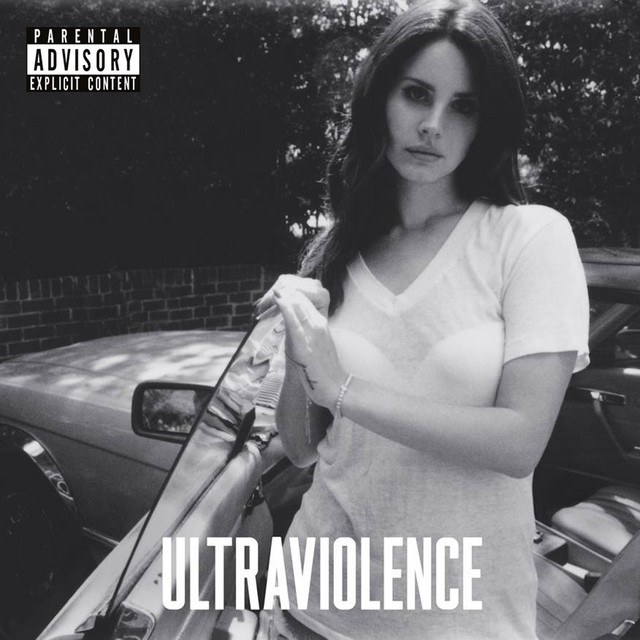
Released in 2014 on Ultraviolence, the song was written by Lana Del Rey and Barrie O'Neill, with production by Dan Auerbach. According to the Wikipedia entry, Del Rey said she wrote it with Lou Reed in mind, which matters because the song is not only satire. It is also a love letter to a New York art world she admired.
Watch the official Brooklyn Baby
music video
A character built from cool clichés
Much of the song works by stacking up familiar images. The narrator talks about a boyfriend in music, rare records, poetry, and a carefully curated identity. When they call themself a Brooklyn baby
, it sounds proud, but also a little theatrical. That is the point.
Interpretation: Del Rey creates a persona who knows they are performing coolness. The humor comes from how precise the details are. Feathers, jazz, Beat poetry, and indie-boyfriend energy are almost too perfect, so the song reads as self-aware rather than accidental.
This is why the verses matter. The speaker feels judged as shallow or too young, yet pushes back by saying critics read the cover and miss the pages inside. The song suggests that youth culture is often dismissed before it is understood.
Youth versus gatekeepers
The first conflict in the song is age. The narrator hears that they are too young to know love, art, freedom, or serious culture. That pressure turns the song into more than a joke about hipsters. It becomes a protest against cultural gatekeeping.
A key moment is the complaint that people judge them like a picture book
. In plain terms, the speaker feels reduced to looks and labels. Others see style, not thought. They see a fashionable young woman and assume there is nothing deeper there.
That tension gives the chorus its force. Repeating I'm a Brooklyn baby
is not just branding. It is an act of self-naming. If the world wants to stereotype them, they will take the stereotype, exaggerate it, and own it.
The chorus turns irony into confidence
The chorus is catchy because it sounds easy, but it carries the song's argument. The speaker presents a set of identity markers that sound almost silly, then repeats them until they become a shield. By the end, the hook feels less like parody and more like power.
My boyfriend's in a band
He plays guitar while I sing Lou Reed
Those lines summarize the song's balancing act. They are funny because they are so on-brand, yet they also point to real artistic longing. The Lou Reed nod matters especially because Del Rey reportedly hoped to work with him before his death. That makes the reference more personal than a random name-drop.
Sound matters as much as the words
The production helps explain why the song never feels cruel. Dan Auerbach gives it a hazy, warm arrangement built from guitars, bass, drums, mellotron, tambourine, and even pedal steel and tenor sax, as documented in Ultraviolence credits summarized by Wikipedia. The result is loose and dreamy, not sharp or sneering.
Critics noticed that softness. Rolling Stone described Del Rey's vocal as "breathy" and heard a melody with a 1960s girl-group feel. That old-pop glow is important. It wraps the satire in nostalgia, making the speaker sound charmed by the world they are teasing.
Interpretation: If the song had been faster or meaner, it might have felt like a takedown. Instead, its slow groove and floating melody suggest affection. Del Rey is inside the fantasy, not standing far away from it.
Swagger, gender, and the last punchline
Late in the song, the mood shifts from playful posing to direct refusal. The narrator basically says they will not keep explaining themself to people determined not to understand. That is where the song's defiance becomes clearest.
The final boast, not as cool as me
, is one of Del Rey's smartest punchlines. It flips the earlier boyfriend image. At first, he seems like part of the speaker's cultural status. By the end, they outshine him.
That turn matters for gender. The song begins with a woman being judged, categorized, and talked down to. It ends with her claiming control over the story, the scene, and the cool. Critics at The Fader praised this self-assurance, and that reading fits the song well.
More than a hipster joke
It is easy to reduce "Brooklyn Baby" to a song about Williamsburg stereotypes, but that misses its emotional center. The song is really about the gap between how a young person presents themself and how others read that presentation. Del Rey understands that style can be both costume and truth at once.
That is why the song has lasted. It earned strong critical reception in 2014 and later reached platinum status in the United States. Listeners kept returning because the song captures a modern feeling: wanting to be seen as original while knowing every scene comes with clichés.
Final takeaway
The meaning of Brooklyn Baby Lana Del Rey is not just "hipster satire." It is satire mixed with longing, confidence, and insecurity. Del Rey turns a highly stylized character into a defense of young women who are underestimated for how they look, what they like, and how they speak.
Readers should note that song meaning is always part fact, part interpretation. The biographical and release details above are sourced, but the deeper reading of themes and symbols remains one informed interpretation of the track.







