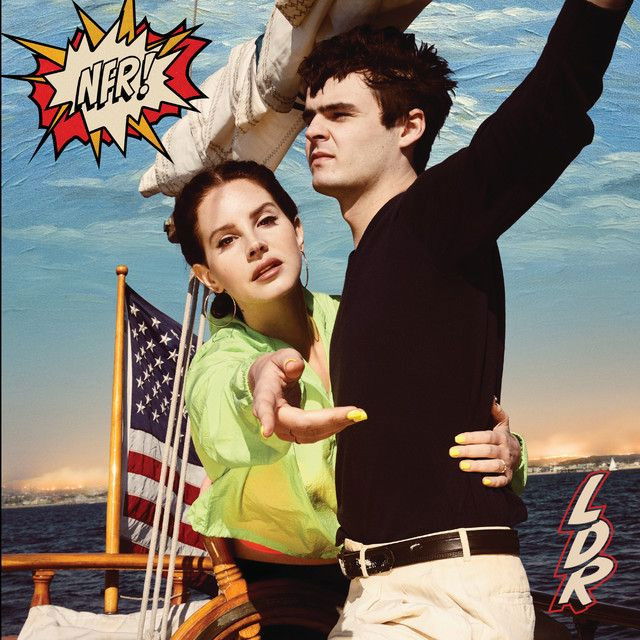
Cinnamon Girl by Lana Del Rey
A love song with a bruise underneath
The meaning of Cinnamon Girl Lana Del Rey centers on a painful wish: to be loved gently after past hurt. On the surface, the song sounds intimate and dreamy. Under that soft sound, though, it describes fear, emotional damage, and the hope that one person might finally be safe.
"Cinnamon Girl" - Lana Del Rey
From your kiss
You're touching me
Loading lyrics...
Unable to load lyrics
We're unable to display the lyrics at this time. Please try again later.
Released on Lana Del Rey's 2019 album Norman F*ing Rockwell!, the track was written by Elizabeth Grant and Jack Antonoff. Antonoff also produced it, and that matters because the song's meaning is carried as much by mood as by words. The music floats, then distorts, as if tenderness and panic are happening at the same time.

Watch the official Cinnamon Girl
music video
What the lyrics are really saying
At the heart of the song is a speaker who wants closeness but expects pain. Early details feel sensual and immediate, especially cinnamon in my teeth
. That image suggests a kiss that lingers. It is sweet, physical, and memorable.
But the song quickly turns darker. References to pills and being kept at arm's length
point to distance, avoidance, or emotional numbness. The relationship does not feel stable. One person seems to manage feelings by retreating, while the other keeps returning, insisting on connection.
That push-pull dynamic leads to the song's most important idea: love without harm. The repeated plea is not just romantic. It is almost a test. If someone can hold them and not wound them, that would be new.
Hold me, love me, touch me, honey
Be the first who ever did
Those lines are simple, but they carry the song's emotional weight. The speaker is not asking for grand passion. They are asking for basic tenderness that has somehow been missing.
The central theme: trauma meeting desire
Interpretation: Many listeners hear the song as Lana Del Rey writing about the aftershocks of toxic love. The key line about someone being the first not to hurt them suggests a pattern, not a single bad moment. In that reading, the song is about how previous damage changes the way a person enters every new relationship.
That helps explain why the song feels both open and guarded. The speaker wants to say more, but stops short. They choose silence over full confession. That emotional hesitation makes the track feel realistic. People with hurt behind them often want closeness while still protecting parts of themselves.
The phrase kerosene in my hands
deepens that idea. It suggests volatility, anger, and danger close to the skin. The relationship can soothe, but it can also ignite. Love here is not calm. It is reactive, almost chemical.
Why the colors matter
One of the song's most striking details is the list of colors: violet, blue, green, red. Lana Del Rey often uses color to create mood, but here the sequence feels more loaded. It can suggest pills, altered states, or a swirl of emotions too mixed to sort cleanly.
Interpretation: The colors may represent different methods of coping, whether emotional, medical, or symbolic. Blue can feel sad, red can feel dangerous, green can suggest sickness or envy, and violet can feel dreamy or unreal. Together, they create a blurred emotional palette rather than a neat message.
That blurring is important to the meaning of Cinnamon Girl Lana Del Rey. The song does not present pain in a tidy, linear way. It shows pain as sensation: colors, heat, touch, distance, residue. That is one reason the track feels so immersive.
How the production tells the same story
Jack Antonoff's production gives the song its emotional architecture. The verses drift in a soft haze, with Lana's voice sounding close but fragile. Then the song opens into a thicker, heavier texture. Synths swell, the bass deepens, and the mix starts to feel unstable.
That instability mirrors the lyrics. The listener hears the difference between wanting comfort and feeling overwhelmed by it. Reviews of the album, including from Pitchfork, noted how Norman F*ing Rockwell! balances classic songwriting with warped modern production. "Cinnamon Girl" is a strong example of that blend.
The hook is especially effective because it sounds both soothing and desperate. The repeated vocal line feels like self-soothing, almost a mantra. Instead of resolving the tension, the production keeps it suspended.
Lana Del Rey context helps explain the song
By 2019, Lana Del Rey had already built a catalog full of damaged glamour, unstable romance, and longing for impossible safety. "Cinnamon Girl" fits those themes, but it sharpens them. This is less about myth and more about vulnerability.
In the context of Norman F*ing Rockwell!, the song sits among tracks that strip away some of the earlier persona and move toward clearer emotional exposure. That album was widely praised by critics and nominated for Album of the Year at the Grammy Awards. While awards do not determine meaning, the strong reception shows how deeply this more direct style connected with listeners.
A few strong readings of the song
There is more than one fair way to read the track:
- Romantic reading: It is about wanting a partner who breaks a cycle of pain.
- Mental health reading: It explores self-protection, medication, and emotional overwhelm.
- Attachment reading: It captures the bond between desire and fear in unstable love.
All three fit the lyrics. The song is powerful because it never locks itself into one explanation.
The takeaway that stays with listeners
The meaning of Cinnamon Girl Lana Del Rey is less about a specific plot than an emotional condition. It portrays someone who still believes in tenderness, even after learning to expect the opposite. That is why the song lands so hard: it turns a soft love song into a portrait of survival.
Its sweetness, heat, and sadness all point to the same truth. Being held safely should be ordinary, yet for this speaker it feels almost unimaginable.
Interpretation disclaimer: Song meaning is never fully fixed. This article offers a close reading based on the lyrics, production, and documented album context, but listeners may hear different meanings in the song.








