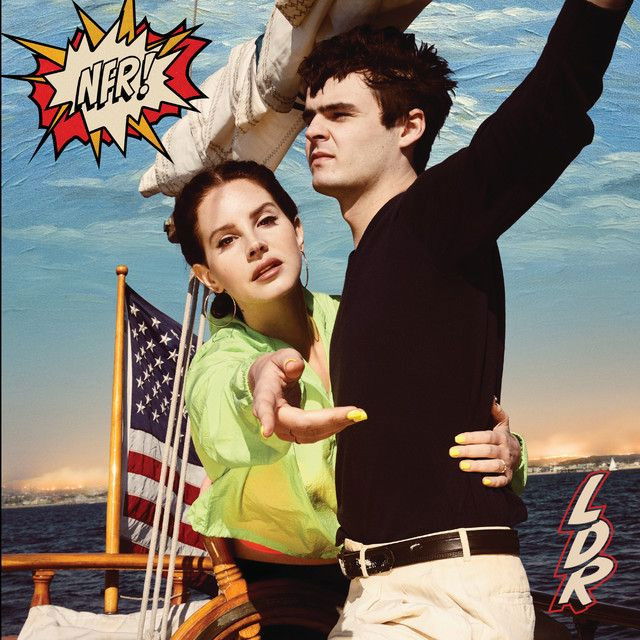
Love song by Lana Del Rey
They whisper it more than they shout it: Love can be a private movie, not a public performance. The meaning of Love song Lana Del Rey circles is simple and bold at once—two people hiding from the world long enough to decide if their rhythm is real.
"Love song" - Lana Del Rey
We go fast, we go so fast, we don't move
I believe in a place you take me
Loading lyrics...
Unable to load lyrics
We're unable to display the lyrics at this time. Please try again later.
What This Ballad Quietly Confesses
At its heart, Love song is about building a sanctuary inside a relationship. The early image of being in the backseat
turns the car into a little room where time bends. The line we go so fast
captures that rush, but the scene also pauses—suggesting that speed is a feeling, not just movement.
Interpretation: Lana frames intimacy as a space to rewrite identity. Here, the narrator wants to be fully seen and still adored. They’re asking for something rare and lasting without making a spectacle of it.

Watch the official Love song
music video
Who’s Speaking—and What They Need
The voice is first-person, addressing a lover with tenderness and nerves. They dress up for the part, yet they crave honesty over polish. The plea to make you proud
isn’t about applause; it’s about earning someone’s steady presence when the glow fades.
Interpretation: This is adult romance, not teenage fantasy. The narrator admits flaws, hoping affection won’t vanish when the lights come up. They want confirmation that closeness can survive real life.
Scenes in Motion: A Mini-Timeline
- A drive becomes refuge: the couple slips into a shared bubble (
in the backseat
), where outside pressures soften. - Physical closeness opens emotional truth: hands, breath, and nervous laughter bridge the gap between image and reality.
- A “test” of trust: the relationship moves from thrill to proof—can they be themselves and still be chosen?
- A vow in plain words: being someone’s “once” is less about fairy tales and more about commitment felt in ordinary moments.
- A personal soundtrack: sensations—
the taste, the touch
—convert into memory, thesound of our love song
that only they can hear.
Why the Chorus Matters
The hook pivots on once in a lifetime
. Instead of promising perfection, it promises presence. The chorus treats love as a record you make together—pressing every small proof, every glance, into wax. Interpretation: by turning feeling into sound, the song argues that love is both lived and documented, fragile and permanent at once.
Symbols and Motifs That Do the Heavy Lifting
- Car/backseat: Privacy, escape, and momentum. A moving room where they can be real without an audience.
- Star imagery: The narrator becomes a “star” to one person, flipping fame into intimacy. It’s not about charts; it’s about being seen up close.
- Party dress: The performance of romance. Underneath the costume is a person hoping the act can drop.
- The “test”: The fear of abandonment distilled. Passing it means staying after the glitter.
- Senses:
the taste, the touch
keeps it tactile. Love here is proof you can feel, not a slogan.
Interpretation: All these details point to the same desire—safety. The persistent question beneath the verses is whether it’s safe to be who they are and still be loved.
How the Sound Sells the Feeling
The production—crafted with Jack Antonoff—leans minimalist and warm. Piano leads, soft pads bloom, and percussion stays subtle. The vocal sits close and breathy, as if sung from inches away. Reverb is present but restrained, giving a cinematic haze without swallowing the words.
On Norman Fucking Rockwell!, this palette recurs: classic pop bones with modern understatement. Here, the choices clear space for lyric nuance and tiny vocal inflections. Interpretation: the arrangement mirrors the song’s thesis—strip the room until there are only two people and what they’re brave enough to say.
Other Ways to Hear It
- Fame vs. normal life: Interpretation—“star” language nods to public identity, but the car is everyday. The song balances spectacle with ordinary tenderness.
- Imperfect devotion: Interpretation—the narrator’s self-doubt doesn’t cancel desire; it deepens it. Being chosen while imperfect becomes the proof they’re after.
- A meta-love song: Interpretation—the chorus acknowledges itself. Their feelings literally become music, suggesting the track is both artifact and scene.
Final Takeaway
The meaning of Love song Lana Del Rey ultimately lands on this: lasting love is made in small, private moments where two people choose each other again. The images feel glamorous, but the core is plainspoken trust.
Disclaimer: Song interpretations are subjective. This reading blends lyrical analysis with context and may differ from the artist’s intent.









