Why 'Self Control' Feels So Dangerous
The meaning of Self Control Laura Branigan comes down to a sharp tension: the song sounds thrilling, but its story is about surrender. Beneath the sleek 1980s production, it follows a narrator who knows the night is seductive, unreal, and risky, yet keeps choosing it anyway.
"Self Control" - Laura Branigan
City light painted girl
In the day nothing matters
Loading lyrics...
Unable to load lyrics
We're unable to display the lyrics at this time. Please try again later.
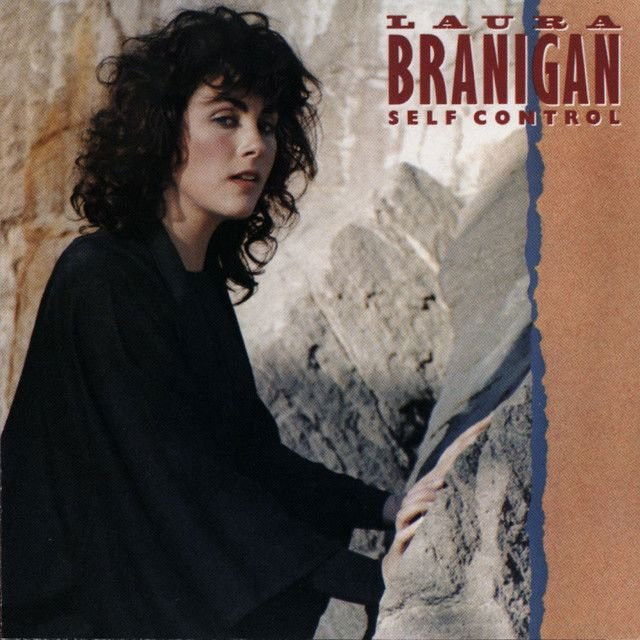
Laura Branigan released her version on the 1984 album Self Control. The song was first recorded in 1983 by Raf, who co-wrote it with Giancarlo Bigazzi and Steve Piccolo. Branigan’s version became the major international hit, and its arrangement featured Harold Faltermeyer on synthesizer and arrangement, giving it that glossy, urgent pulse associated with peak synth-pop. Those details are widely noted by Songfacts and standard discography references.
The Song’s Core Conflict Lives in the Dark
On the surface, the song describes nightlife. The narrator is pulled toward a world where daytime rules fade and emotion takes over. Early lines frame night as a place of beauty and illusion, especially in the image of a night is my world
. That phrase matters because it does more than set a scene. It suggests identity.
During the day, they seem disconnected or numb. At night, they feel seen, energized, and transformed. But the song never presents that change as fully healthy. It sounds glamorous, yet unstable.
Interpretation: The track is about addiction to intensity, not just a literal night out. The narrator may be attached to a lover, to nightlife, or to the feeling of escape itself.
Watch the official Self Control
music video
Who Is Taking Control?
The big hook names the struggle directly: you take my self control
. That line turns the song into a confrontation. Something outside the narrator appears to overpower their judgment.
That “you” is intentionally flexible. It could be:
- a lover who draws them in
- the nightlife scene itself
- a fantasy version of freedom
- their own impulses, projected outward
Laura Branigan once explained that the song was about losing self-control “to the night or to someone,” as quoted by Songfacts. That comment supports the idea that the song works on both levels at once.
Verses Built on Temptation and Denial
The verses show someone who recognizes the danger but keeps moving toward it. They describe living with the creatures of the night
, which gives the song a faintly surreal tone. The world feels crowded with desire, masks, shadows, and half-truths.
One of the most revealing moments is the admission that the night is not what it seems. The narrator senses illusion, but instead of stepping back, they decide to keep believing in it. That is the emotional engine of the song.
I live among the creatures of the night
I haven't got the will to try and fight
This brief passage shows the loss of resistance more clearly than anything else in the song. The narrator is not confused about what is happening. They are exhausted by resisting it.
The Chorus Sounds Liberating, But It Isn’t
One reason the song still hits so hard is that its chorus can be mistaken for celebration. The beat surges. Branigan’s voice rises. The hook is huge and physical. Yet the words describe power slipping away.
That contrast is the song’s genius. The production sells excitement while the lyric warns about surrender. They are living only for the night
, which sounds romantic at first, but it also suggests imbalance. If life only feels real after dark, then ordinary life has already lost its hold.
Interpretation: The chorus is less about joy than compulsion. It captures the moment when desire starts to run the person instead of the other way around.
Sound, Style, and Why the Message Lands
Branigan’s version works because the sound mirrors the theme. Faltermeyer’s synthesizers create a bright, mechanical surface, while the beat keeps driving forward with almost no emotional rest. That pressure makes the song feel like motion without reflection.
Branigan’s vocal performance adds the human center. She sings with force, but not complete confidence. There is longing in the delivery, mixed with alarm. That blend makes the song feel emotionally true.
The video pushed the same ideas further. Directed by William Friedkin, it used masks, dream imagery, and a male figure representing the night. Branigan said the concept involved “a man representing the night, wearing a mask,” and noted that MTV considered the clip too risqué in its original form, according to Songfacts. That visual framing supports the song’s central idea: temptation feels glamorous because it hides itself.
Why the Song Endures
Part of the lasting appeal is that it never locks into one simple story. It can be heard as a song about club culture, erotic attraction, emotional dependency, or the lure of fantasy. In every version, the pattern is the same: the narrator knows better, but wanting wins.
That is why the meaning of Self Control Laura Branigan still connects with listeners. It understands that people do not always lose themselves by accident. Sometimes they step into the illusion on purpose because it feels better than facing the morning.
Final Take Under the Neon Glow
“Self Control” is really about the seduction of escape. It turns nightlife into a symbol for any force that promises freedom while quietly taking power away. Branigan’s performance and the shimmering 1980s production make that danger sound irresistible.
This interpretation is based on the song’s lyrics, documented release history, and Branigan’s public comments. Like many pop songs, it remains open to more than one reading.









