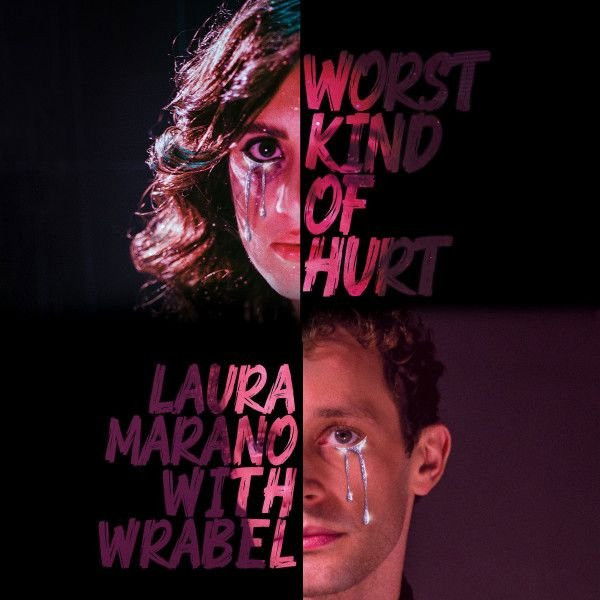
Why This Breakup Song Hurts So Much
The meaning of Worst Kind of Hurt Laura Marano, Wrabel comes down to one painful idea: sometimes the hardest breakup is the one where nobody did anything terrible. There is no betrayal, no big lie, and no easy villain. Instead, the song lives in the gray area where two people still love each other, but cannot build the same future.
"Worst Kind of Hurt" - Laura Marano, Wrabel
Wishing we'd be forever
Imagining you're mine
Loading lyrics...
Unable to load lyrics
We're unable to display the lyrics at this time. Please try again later.
That is what makes the track sting. It turns heartbreak into a quieter kind of grief, one built from timing, goals, and emotional mismatch rather than cruelty.
A breakup with no obvious enemy
At its core, the song describes a relationship that ends for practical reasons, not moral ones. The narrator keeps replaying the hope that they could have stayed together, but reality keeps breaking in. When they admit they were in different places
, they are not just talking about geography. They are also talking about life stages, priorities, and readiness.
That detail is key to the song’s meaning. Many breakup songs offer a clean answer: someone cheated, lied, or stopped caring. Here, the pain is worse because the answer is messier. The chorus explains that the deepest wound comes when there is no good reason
it failed, at least not a dramatic one.
Interpretation: The song suggests that emotional logic and life logic are not always the same. Two people can feel love and still be unable to make a relationship work.

Watch the official Worst Kind of Hurt
music video
How the verses build that emotional trap
The opening lines set up longing before they reveal loss. The narrator has been imagining a permanent bond and replaying a version of the story where the relationship lasts. That dream makes the later honesty hit harder.
Then the song shifts into its sharpest insight: they lost the war
but never really fought. In plain terms, the relationship died without a blow-up. There was no final explosion to make sense of things.
That idea connects to another devastating thought: they wish the other person had given them something to hate. When breakups come with bad behavior, anger can help people move on. This song says the opposite happened. Since both people tried, there is no clean emotional exit.
The chorus names the real wound
The hook keeps circling one contradiction: they are still in love
, but love by itself is not enough. That is the emotional center of the whole track.
The chorus works because it strips away distractions. It does not focus on who won or lost. It focuses on the special ache of unresolved affection. They still want each other, yet they do not want the same life. That gap is the real injury.
Two voices, one shared sadness
As a duet, the song gains extra depth. Even when one singer takes the lead, the presence of both Laura Marano and Wrabel makes the story feel mutual. It sounds less like an accusation and more like a shared confession.
That matters because the lyrics insist: we don't want the same things
. In another song, that line might feel cold. Here, it sounds tragic because it arrives alongside care and tenderness.
Marano’s polished pop delivery keeps the emotion accessible, while Wrabel’s style adds intimacy and ache. Wrabel, born Stephen Wrabel, is an American singer-songwriter known for emotionally direct pop songs and collaborations, according to biographical and discography information gathered in the supplied research. His catalog includes vulnerable relationship writing and socially conscious work such as “The Village,” which was widely noted for its support of trans youth in coverage cited in that research.
Why the production fits the message
Even without diving into studio-session specifics, the song’s pop-ballad structure supports its meaning. The arrangement feels clean and uncluttered, which helps the lyrics sit in the foreground. Instead of sounding chaotic, the track sounds controlled, as if both singers are trying to stay calm while saying something painful.
That balance matters. A louder, angrier production would push the song toward blame. This one leans toward reflection. The repeated title phrase works almost like a thought loop, showing how breakup pain can circle the same conclusion again and again.
Interpretation: The polished production mirrors emotional restraint. They are hurting deeply, but they are not lashing out.
The song’s strongest themes and symbols
Several motifs carry the message:
- Distance: Being in
different places
suggests emotional and practical separation. - War without battle: The relationship ends like a conflict with no dramatic fight, only quiet defeat.
- Burning pain: Hurt is described as something that lingers and smolders rather than explodes.
- Wish for a clear fault: The narrator almost wants betrayal because clarity would be easier to survive.
These images all point back to the same theme: unresolved love can feel heavier than obvious heartbreak.
A broader reading of the song
One reading is simple and strong: this is a breakup song about incompatible futures. Another reading is slightly wider. It can also speak to any ending where affection remains but alignment disappears—romantic or otherwise.
That flexibility helps explain why the song connects. Many listeners know the pain of losing something good, not because it was broken, but because it could not keep growing.
Why this song lingers
The meaning of Worst Kind of Hurt Laura Marano, Wrabel is not that love fails easily. It is that love can be real and still lose to timing, needs, and life direction. That truth is painful because it denies people the comfort of a simple explanation.
In the end, the song says the worst heartbreak may be the one with kindness still inside it. There is no villain to blame, only a bond that could not survive reality.
Disclaimer: This interpretation is based on the released lyrics, performance, and available artist context. Like any song, it may hold different meanings for different listeners.








