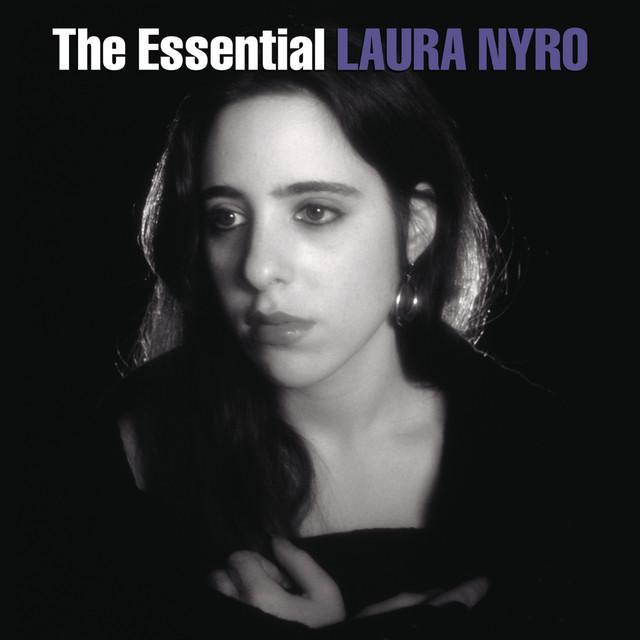
Stoney End by Laura Nyro
The meaning of Stoney End Laura Nyro comes down to a painful but hopeful conflict: the speaker feels battered by love, doubt, and life itself, yet still reaches for comfort and a new beginning. It is a song about emotional collapse, but not surrender.
"Stoney End" - Laura Nyro
And my poor mother worked the mines
I was raised on the Good Book Jesus
Loading lyrics...
Unable to load lyrics
We're unable to display the lyrics at this time. Please try again later.
Laura Nyro wrote the song, and it later became far more commercially visible through Barbra Streisand’s hit recording, which credited Nyro as the writer. That history matters because Nyro’s songwriting often blended gospel, pop, soul, and deeply personal emotion into something intense and poetic.
A Hard Road Hiding Inside the Title
At the center of the song is the phrase Stoney End
. On the page, it sounds like a place. In practice, it feels more like a symbol.
Interpretation: the “stoney end” suggests a harsh destination, an unwanted emotional dead end, or a stretch of life marked by pain. When the speaker says they never wanted to go there, the song frames suffering as something forced on them rather than chosen.
That idea gives the chorus its power. The hook is not just dramatic language. It sounds like someone realizing they have been carried to the edge of their strength.

Watch the official Stoney End
music video
The Story Moves From Belief to Disillusionment
The opening verse sets up a life story in miniature. The speaker begins with roots in love and hardship, then mentions being raised on religion before learning to read between the lines
. That phrase is small, but it changes everything.
Instead of accepting inherited truths without question, they begin to see complexity, contradiction, and maybe even hypocrisy. Soon after, they declare Now I don’t believe
, which sounds less like rebellion for its own sake and more like heartbreak.
Interpretation: this is not simply a song attacking faith. It is more likely about what happens when old certainties stop working. The loss of belief may be spiritual, romantic, or both.
Love Fails, and Morning Does Not Save Them
The second verse shifts from religion to memory. The speaker remembers someone with love light in his eyes
, but that light does not last. It fades with the sunrise, which is important because morning usually symbolizes hope.
Here, morning does not heal. Instead, it reveals the truth. What looked warm and lasting in the dark cannot survive the day.
That reversal deepens the song’s sadness. The speaker wants to “see the morning,” but the song keeps tying daylight to loss, exposure, and endings.
Why the Chorus Feels Like a Plea
The repeated request to be held by their mother is one of the most moving parts of the lyric. The song’s emotional center is not anger. It is the wish to be restored.
Cradle me, Mama, cradle me again
That line turns the song from complaint into prayer. The speaker does not ask for revenge or answers. They ask for care, softness, and a chance to start over.
Interpretation: the mother figure may be literal, but she can also stand for origin, safety, or unconditional love. In that sense, the chorus reaches back toward the earliest form of comfort after faith and romance both fail.
Storms Outside, Storms Within
The final verse expands the song from personal memory into a whole emotional weather system. The forecast no longer matters because the sky itself has lost order. Then come the violent sounds of thunder to match a raging soul
.
This is classic Nyro writing: feelings become landscape. The outside world mirrors the inside world.
A few key motifs drive the song:
- Morning: truth, exposure, and the end of illusion
- Road or destination: a painful path they never chose
- Mother: comfort, rebirth, and emotional rescue
- Storm imagery: inner turmoil made visible
These images help explain why the song feels huge even though the story is intimate.
How Laura Nyro’s Style Shapes the Meaning
Any explanation of the meaning of Stoney End Laura Nyro should include sound as well as lyrics. Nyro’s writing often fused pop melody with gospel urgency and soul phrasing. Even when covered by other artists, her songs tend to feel emotionally oversized because they are built around rising tension and release.
In “Stoney End,” the repeated chorus works almost like a spiritual refrain. The melody climbs, the rhythm pushes forward, and the vocal delivery gives the plea a desperate lift. That musical movement supports the lyric’s deepest idea: they are trying not to stay broken.
Because the song sits in a pop framework, its message lands clearly. But Nyro’s dramatic phrasing keeps it from sounding simple. It feels torn open.
Two Strong Readings of the Song
There is more than one valid way to hear it.
A song about spiritual crisis
The religious opening and loss of belief support a reading centered on faith. In this version, the speaker outgrows what they were taught and feels stranded afterward.
A song about heartbreak and collapse
The memory of a lover, the fading light, and the plea for comfort support a romantic reading. In this version, “Stoney End” is the wreckage left by love.
The strongest interpretation may be that the song joins both ideas. It is about the collapse of trust itself.
Why the Song Still Connects
Part of the song’s staying power is that it does not pretend pain is neat. It shows a person losing belief, losing love, and losing control all at once. Yet it also leaves room for mercy.
That is why the chorus lasts in memory. Under all the thunder and disillusionment, the song still wants tenderness.
Disclaimer: This interpretation is based on the lyrics, performance, and known artist context. Like many Laura Nyro songs, “Stoney End” remains open to more than one reading.







