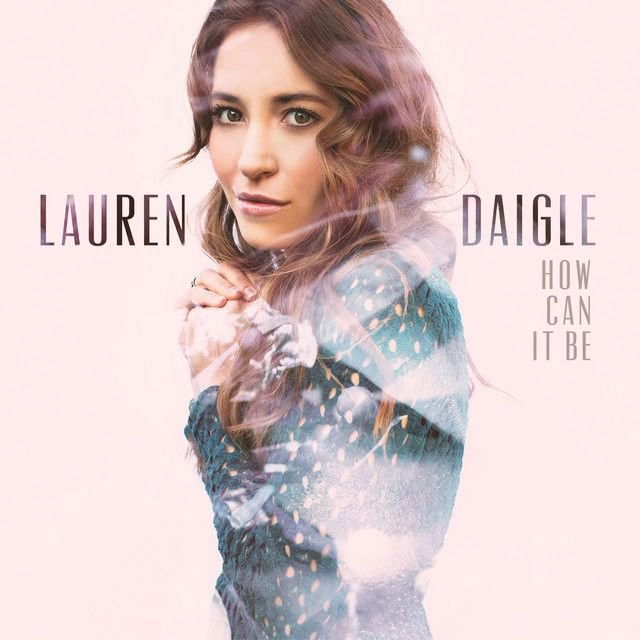
First by Lauren Daigle: A Prayer About Priority
The meaning of First Lauren Daigle comes into focus quickly: this is a worship song about choosing God before everything else. Rather than building to a twist, the song states its message with unusual clarity. It treats faith not as a last resort, but as the first response to desire, stress, pain, and speech itself.
"First" - Lauren Daigle
I will bring my heart
Before I lift my cares
Loading lyrics...
Unable to load lyrics
We're unable to display the lyrics at this time. Please try again later.
That directness is why the song connects. It is simple, but not shallow. They present spiritual devotion as a matter of order: what comes first shapes everything that follows.
The Song’s Core Message Starts With Order
At its heart, “First” is about priority. The verses lay out a pattern of spiritual discipline before moving into the repeated chorus. Before asking for help, the singer chooses to offer their heart. Before naming burdens, they turn toward worship. That pattern gives the song its whole meaning.
A key phrase is bring my heart
. In plain terms, the singer is saying inner honesty matters more than a shopping list of needs. The song suggests that relationship comes before request.
Another short phrase, seek You
, carries the same idea. It is not only about belief. It is about attention, intention, and active pursuit.

Watch the official First
music video
How the Verses Turn Prayer Into Practice
The verses are written like a series of choices. Each one begins with “before,” which creates a spiritual sequence. That structure matters because the song is not only expressing love for God; it is teaching a habit.
Before Need, Before Speech, Before Control
In the opening lines, the singer chooses devotion before need. Later, they choose listening before speaking. A phrase like hear Your voice
shows that they want guidance before action.
This is one of the strongest parts of the lyric writing. Many worship songs center on what the believer feels. “First” also focuses on posture: humility, waiting, and surrender.
Joy Does Not Cancel Pain
The second verse adds emotional depth. The singer mentions pain, but asks to still experience joy within it. That does not deny suffering. Instead, it frames faith as something that can hold both grief and hope at the same time.
Interpretation: This is where the song grows beyond a simple praise chorus. It suggests that putting God first is not only easy in peaceful moments. It is most meaningful when life hurts.
Why the Chorus Feels So Strong
The chorus works because it is repetitive in a purposeful way. The word First
lands again and again, almost like a reset button. Every repetition returns the listener to the central claim: God belongs at the top of the heart’s priorities.
The line about wanting God more than anything else pushes the song into total commitment. It is not casual language. It describes devotion as greater than comfort, ambition, or relief.
You are my treasure
and my reward
Those two short lines sharpen the message. They describe God not merely as a helper, but as the goal itself. In other words, the reward of faith is not just blessings. It is closeness with God.
The Meaning of First Lauren Daigle in Christian Context
Within Christian worship, the song echoes the biblical idea of seeking God before other concerns, a theme often linked to Matthew 6:33 and the call to love God fully. That broader context helps explain why the lyric feels so familiar to church listeners even while keeping a personal tone.
Factually, Lauren Daigle is a major figure in contemporary Christian music, and her breakout success with albums like How Can It Be helped establish her style in the genre. The song credits provided here list Jason Ingram, Paul Mabury, Mia Fieldes, Lauren Daigle, and Charles Bentley as writers.
Interpretation: Because several of those writers are known for congregational worship writing, the song seems built to function both as private prayer and shared church anthem. Its language is individual, but its repetition invites group singing.
How the Sound Supports the Lyrics
Production matters a lot in “First.” Even without flashy imagery, the song lands because the arrangement supports the message. The style fits Christian and Gospel traditions: steady rhythm, open space, and a vocal performance that grows in intensity without becoming harsh.
The likely goal of that production is to make room for reflection. When a song centers on surrender, too much sonic clutter would weaken it. Instead, the arrangement helps each repeated line feel meditative.
Daigle’s voice also shapes the meaning. Their delivery often balances warmth, grain, and conviction, which makes a line like let nothing ever come before
sound less like a slogan and more like a sincere prayer. The emotional power comes from restraint as much as force.
Why the Song Connects With Listeners
Part of the song’s appeal is that it names a common struggle: people often put urgent things before important things. “First” answers that struggle with a spiritual reordering. It says that prayer is not just for emergencies. It is the starting place.
That message works for listeners in different seasons:
- In stress, it offers calm before reaction.
- In pain, it offers joy without pretending life is easy.
- In routine, it offers a daily practice of focus.
This is why the meaning of First Lauren Daigle remains so clear and useful. The song does not hide behind vague poetry. It asks one direct question: what truly comes first?
Final Take on “First”
“First” is a song about spiritual priority, but also about inner posture. It teaches that love for God should come before requests, words, and competing desires. Its simple language, worship-friendly structure, and earnest vocal style all serve that one message.
Interpretation disclaimer: Song meaning is always part fact, part reading. This article is based on the lyrics provided, confirmed credits, genre context, and musical traits, but listeners may connect with the song in different personal or faith-based ways.








