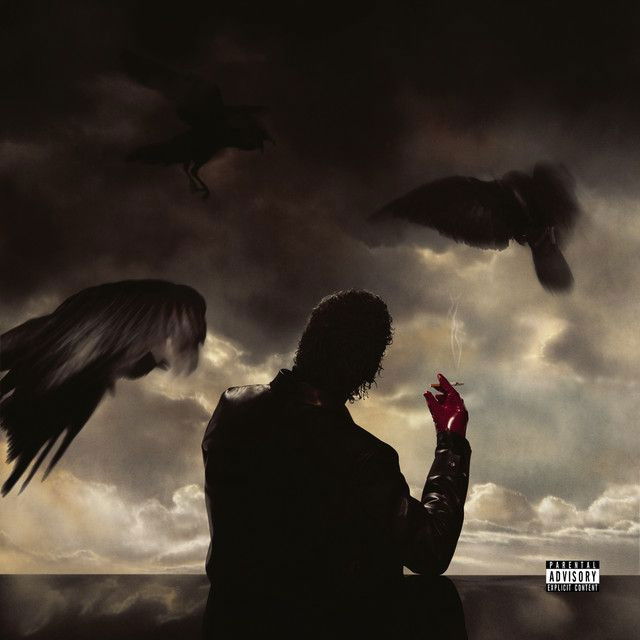
Why Laylow’s “UN RÊVE ÉTRANGE” Feels So Restless
The meaning of UN RÊVE ÉTRANGE Laylow starts with tension. The song sounds like a victory lap, but it never feels calm. Instead, it captures a mind that is driven, paranoid, proud, and still chasing more.
"UN RÊVE ÉTRANGE" - Laylow
J'allume tout dans l'noir, personne n'anticipe
Survêt' Nike, masqué tous les soirs comme un scientifique
Loading lyrics...
Unable to load lyrics
We're unable to display the lyrics at this time. Please try again later.
Laylow, the stage name of Jérémy Larroux, built a reputation in French rap through dark, futuristic projects before breaking wider with Trinity in 2020. That larger artistic context matters here. Even in a shorter, punchier track like “UN RÊVE ÉTRANGE,” they lean into the same traits: cinematic imagery, a fractured inner voice, and the feeling that success comes with isolation.
A Dream That Sounds More Like Survival
At its core, the song is about self-invention under pressure. The narrator presents themself as someone entering the scene with nouveau shit
, but the phrase is not just bragging. It signals disruption. They are not asking for permission, guidance, or acceptance.
That attitude gets clearer when the hook insists that nobody can predict them. The image of moving masked, comme un scientifique
, turns ambition into experiment. They are testing a formula in the dark, working alone, and trying to create something explosive before anyone else sees it coming.
Interpretation: the “strange dream” of the title can be read as the dream of success itself. It is exciting, but it also feels unreal and unstable. The song treats ambition less like a clean path and more like a night mission.
Watch the official UN RÊVE ÉTRANGE
music video
The Hook Turns Darkness Into Power
The chorus is short, but it carries the song’s whole worldview. When the narrator says they light everything up in darkness, the idea is simple: they thrive where other people cannot see clearly. The line about no one anticipating them reinforces Laylow’s outsider posture.
There is also a refusal to wait for help. When the song says no one will tell them how to do it, that becomes a statement of independence. The blunt line Tout s'ra magnifique
sounds confident on the surface, yet it lands almost like self-hypnosis. They keep repeating greatness because the road to it is uncertain.
Why the refrain matters
The hook works because it mixes swagger with doubt. It is not polished triumph. It is a mantra repeated by someone forcing their way forward.
J'allume tout dans l'noir
personne n'anticipe
Personne va nous dire
Tout s'ra magnifique
Those lines frame the whole song: darkness, unpredictability, isolation, and belief.
The Verses Show Hunger With Sharp Edges
Much of the verse is about desire without apology. The narrator wants freedom, money, intoxication, and total escape from limits. None of that is softened. The writing makes ambition feel physical and compulsive.
One of the strongest details compares that drive to something dangerous and automatic. Even without taking the line literally, the message is clear: this is obsession. If the first try fails, they try again. Rest is not part of the picture.
That is why the song’s boasts do not feel light. Even when the narrator talks about status, there is a funeral mood around it. They describe their music as fog rather than a holiday. That image matters. Fog hides the way forward, blurs identity, and creates suspense. Success is present, but clarity is not.
Pride, Revenge, and the Memory of Rejection
One of the most revealing moments comes late in the verse, when the narrator remembers a girl from high school who once looked down on them. This is not just a petty flex. It shows how the past still shapes the present.
The point is not romance. The point is reversal. They now have the power to revisit old humiliation from a new position. That memory gives the song a human scale. Beneath the performance, there is still someone measuring today’s wins against yesterday’s disrespect.
Interpretation: this is one of the keys to the meaning of “UN RÊVE ÉTRANGE.” The dream is not purely about wealth or fame. It is also about rewriting the self after being ignored, mocked, or underestimated.
How Laylow’s Style Deepens the Meaning
Even from the lyrics alone, the production style can be felt: minimal, nocturnal, and heavy on atmosphere. That fits Laylow’s broader catalog, where digital textures and shadowy moods often shape the storytelling. Their career before and around Trinity helped define that aesthetic, from early projects like .RAW to the more conceptual work that followed.
In “UN RÊVE ÉTRANGE,” the likely effect of the beat is to leave space around the voice. That matters because the lyrics are not packed with narrative detail. They rely on flashes: masks, darkness, weapons, luxury hotels, copies, school memories. A cold, stripped-back instrumental would make those images hit harder, like scenes from a half-lit film.
The sound of control and instability
Laylow often balances mechanical cool with emotional fracture. Here, that balance supports the song’s message. The speaker sounds in command, but their world is unstable. They want to stay above imitators, yet they also admit moments when ego swells and memory pulls them backward.
That contrast is what keeps the track interesting. It is not just about being untouchable. It is about how hard they have to work to believe they are.
Final Take on the Song’s Meaning
So, what is the meaning of UN RÊVE ÉTRANGE Laylow? It is a portrait of ambition as a dark dream: thrilling, lonely, aggressive, and unfinished. The narrator is chasing freedom and status, but they are also fighting invisibility, imitation, and old wounds.
The song’s power comes from that mixture. It celebrates self-made confidence while letting listeners hear the pressure underneath. In that sense, the “strange dream” is not only success. It is the strange mental state required to survive the pursuit of it.
Disclaimer: This interpretation is based on the lyrics provided, publicly available artist context, and musical patterns in Laylow’s work. As with most songs, different listeners may reasonably hear it differently.







