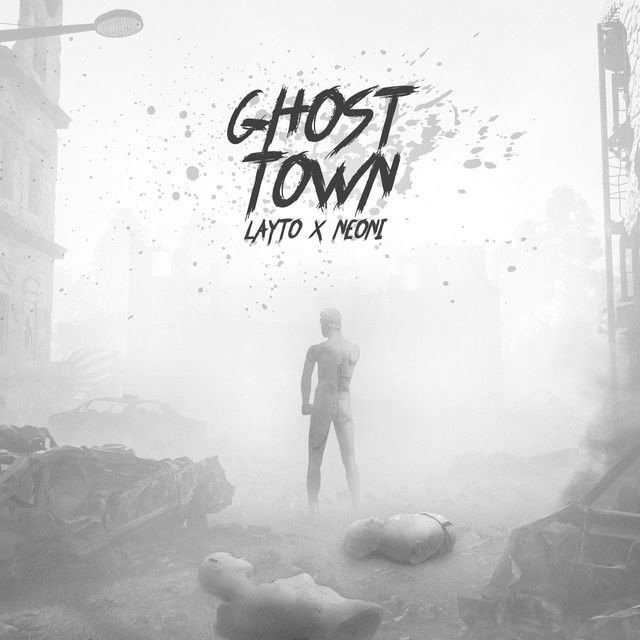
Why 'Ghost Town' Feels So Empty
The meaning of Ghost Town Layto, Neoni comes down to one powerful idea: loneliness can make a person feel invisible, even when they are still reaching for help. Released on October 9, 2020, through CloudKid, the track pairs Layto's dark pop-rock edge with Neoni's dramatic vocal style, creating a song that feels both personal and big-screen in scale, according to the Neoni Wiki's release notes and background summary (Neoni Wiki).
"Ghost Town" - Layto, Neoni
Intro
Come on come around
Loading lyrics...
Unable to load lyrics
We're unable to display the lyrics at this time. Please try again later.
More than a spooky title, “Ghost Town” turns emotional isolation into a vivid place. The song imagines a life stripped of warmth, noise, and connection. That is why it lands so quickly: it takes a common feeling and gives it a strong visual shape.
The Heart of the Song Is Isolation
At its core, the song is about wanting someone to show up. The hook asks for presence, not perfection. When the chorus circles around come on come around
, it sounds less like casual invitation and more like a plea for rescue.
That reading fits the artists' own framing. A theme note quoted on the Neoni Wiki says the song is about feeling isolated and hoping someone reminds them what acceptance feels like. The same source says the idea can apply to friendship, family, or romance, and to the basic need to remember we're not in this alone
(Neoni Wiki).
So the song is not really about a literal haunted place. It is about emotional abandonment. The “town” is the speaker's inner world.
Watch the official Ghost Town
music video
How the Verses Build That Empty World
The verses describe physical and mental strain in a way that makes isolation feel almost bodily. Lines about sleeplessness, limited sight, and struggling air suggest panic, exhaustion, and emotional overload. The phrase harder and harder to breathe
is especially important because it turns sadness into something immediate and physical.
The imagery then gets darker. References to being buried, followed by dust, or hearing coffin sounds do not need to be taken literally. Interpretation: these images suggest the speaker feels shut away from life, as if they are being erased while still conscious of it.
That is why I become a ghost now
matters so much. The speaker is not dead. They feel unseen. The song's strongest idea is that loneliness can blur a person's sense of self until they feel less solid, less noticed, and less real.
The Pre-Chorus Turns Pain Into a Cry for Help
The pre-chorus changes the song from private suffering to direct communication. Instead of only describing pain, the speaker asks whether anyone can hear them. That shift matters because it shows they have not given up on connection.
Can anybody hear me
Scream into the empty
This short moment captures the whole emotional conflict. They feel surrounded by emptiness, but they are still calling out. That makes the song sad, yet not fully hopeless.
Why the Chorus Hits So Hard
The chorus works because it is simple, repetitive, and easy to feel. The song keeps returning to the idea of living in a ghost town, which makes the emotion feel inescapable. Repetition here is not lazy writing; it mirrors a mental loop.
The line lost and never found
sharpens the theme. It suggests more than sadness. It suggests disconnection so deep that the speaker worries nobody is even looking for them.
Interpretation: the chorus may also reflect the social mood of 2020, when many listeners were dealing with separation, uncertainty, and distance. That context supports why the song connected with audiences at the time, and the artists' own comments on staying connected point in that direction (Neoni Wiki).
Sound and Production: Why It Feels Cinematic
Even without a full production breakdown in the available source material, the track's sound clearly supports its meaning. It blends alt-pop, electronic rock, and trailer-pop energy. The beat feels firm and pressurized, while the vocals carry a dramatic urgency that makes the song sound bigger than a private diary entry.
That contrast is key. The lyrics describe feeling small and unseen, but the production makes those feelings sound huge. In effect, the song gives silence a loud form.
Layto and Neoni are both known for intense, cinematic songs, so this collaboration makes artistic sense. Layto's statement quoted on the Neoni Wiki says they want to make music from real life and honest lyrics. That plainspoken intent helps explain why the song's imagery, though dark, still feels emotionally direct rather than confusing (Neoni Wiki).
A Few Strong Symbols That Carry the Message
Several images repeat or connect across the song:
- Ghost town: emotional emptiness and social disconnection
- Night and lights going out: fear, depression, or worsening thoughts after dark
- Burial and coffin imagery: feeling trapped, silenced, or written off
- Dust and haunting: the past or pain that keeps following the speaker
These symbols are easy to picture, which is one reason the song works so well. The writing is dramatic, but the feelings are familiar.
Final Take on the Meaning of Ghost Town Layto, Neoni
The meaning of Ghost Town Layto, Neoni is the fear of becoming invisible in one's own life, paired with a stubborn hope that someone will still answer. It is a song about isolation, but also about the need to be found.
That balance is what gives it staying power. The song does not just describe emptiness; it pushes against it.
Disclaimer: This article offers interpretation based on the released lyrics and publicly available background. Meaning can vary from listener to listener.








