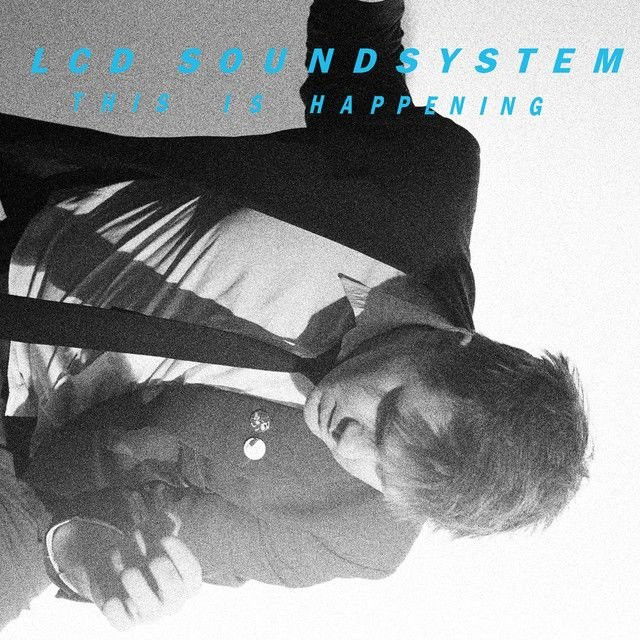
Why 'Dance Yrself Clean' Still Hits So Hard
For many listeners, the meaning of Dance Yrself Clean LCD Soundsystem comes down to one big idea: release. The song captures the stress, boredom, and small social wounds of a night out, then turns that pressure into motion. What begins as tense observation ends as a command to let go.
"Dance Yrself Clean" - LCD Soundsystem
Walking up to me
Expecting words
Loading lyrics...
Unable to load lyrics
We're unable to display the lyrics at this time. Please try again later.
Released in 2010 as the opening track on This Is Happening, the song quickly became one of LCD Soundsystem's signature recordings. It was written and produced by James Murphy, and its reputation has only grown since then, with major outlets later ranking it among the best songs of the 2010s and even one of the greatest dance tracks of its era.[1][2]
A Night Out That Feels Both Fun and Empty
On the surface, the song lives in a familiar LCD Soundsystem setting: friends, parties, late nights, awkward conversations, and the strange mood that can settle over a crowded room. The verses describe social contact that feels draining instead of warm. People approach, expect things, talk too much, and disappoint each other.
That is why short phrases like present company
matter. The words sound polite, but in context they feel distant and even cutting. Murphy sketches a room full of people who are physically together yet emotionally apart.
Interpretation: the song is not attacking one single person. It is about a whole scene of low-level frustration, where everybody is performing, judging, and trying to stay entertained. The narrator sounds tired of the cycle but still trapped inside it.
Watch the official Dance Yrself Clean
music video
The Hook Turns Frustration Into a Challenge
The chorus gives the song its emotional center. When they hear dance yourself clean
, the line sounds simple, but it carries a deeper message. The song suggests that dancing is not just partying. It is a way to shake off self-consciousness, social irritation, and the stale feeling of modern nightlife.
There is also a hint of self-mockery here, which is classic LCD Soundsystem. Murphy often writes about cool scenes while also exposing how silly they can be. So the hook works in two ways at once:
- It is a real invitation to let go.
- It is also a knowing comment on people who treat the dance floor like therapy.
That double edge is part of why the song lasts. It believes in release, but it does not become naive about it.
Who They Seem to Be Singing To
A lot of the lyric is aimed at a vague "you": maybe a lover, maybe a friend, maybe the whole room. That uncertainty matters. In one moment, the voice sounds intimate and pleading, especially around ideas like wanting someone to wake up and give a little time. In another, it sounds fed up with a person who brings drama everywhere.
It's late
Honey, it's late
This brief repeated moment feels exhausted rather than romantic. The night is dragging on. The fun has started to curdle. Even so, the song never fully leaves the party. It stays inside the mess and tries to transform it.
Production Is the Meaning
The most famous thing about "Dance Yrself Clean" is also central to its meaning: the explosive dynamic shift. For roughly the first third, the track is hushed, dry, and restrained. Then the drums and bass slam in, and the whole song suddenly becomes huge.
That contrast is not a gimmick. It mirrors the emotional move from social discomfort to physical release. Before the beat drops, the narrator sounds boxed in by observation and irritation. After it hits, the music does what the words have been asking for all along.
James Murphy produced the track himself, and the arrangement shows his gift for using dance music structure to tell an emotional story.[1] The groove is repetitive, but not empty. It feels like tension being worked out in real time.
Why the Quiet Intro Matters So Much
If the song started loud, it would lose its point. The whispery opening forces listeners to lean in. It creates a private, almost claustrophobic space. When the full beat arrives, the release feels earned.
That is why fans often talk about the drop with almost physical excitement. It is not just sonically impressive. It acts out the song's core idea.
Key Images and What They Suggest
Several images help explain the song's emotional world:
Basement, late night, cold glow
These details suggest a party that is still going, but maybe past the point of joy. The scene is alive, yet strangely numb.
Social conflict
Lines built around arguments, rude talk, and repeated disappointment show how friendship and nightlife can blur into conflict. A phrase like actual jerk
turns casual annoyance into something more personal.
Politics as chatter
When the song mentions Marxism to pieces
, it likely uses political talk as a symbol for empty debate at parties. Interpretation: the point is less about ideology itself and more about the way big ideas can become fashionable noise in social spaces.
More Than a Party Song
It would be easy to hear the track as just a great indie-dance anthem. But the meaning of Dance Yrself Clean LCD Soundsystem goes further. The song is about aging in a youth-driven scene, craving connection while feeling alienated, and trying to find a real moment inside routine nights out.
That fits Murphy's broader writing style. Across LCD Soundsystem's catalog, he often returns to subjects like coolness, insecurity, nostalgia, and the fear of becoming emotionally stuck. Here, those themes are compressed into one long build and one unforgettable release.
Why the Song Endures
Critics loved the track when it arrived, and many have kept praising it over time.[1][2] That response makes sense because the song offers both immediate pleasure and emotional detail. People can dance to it without thinking much, or they can sit with its portrait of disappointment and need.
In the end, the song argues that movement can clear emotional fog, even if only for a few minutes. It does not promise a cure. It offers a ritual.
That is the real power of dance yourself clean
: not perfection, but temporary freedom.
Disclaimer: This article offers an interpretation of the song based on its lyrics, sound, and public context. As with any art, listeners may hear it differently.








