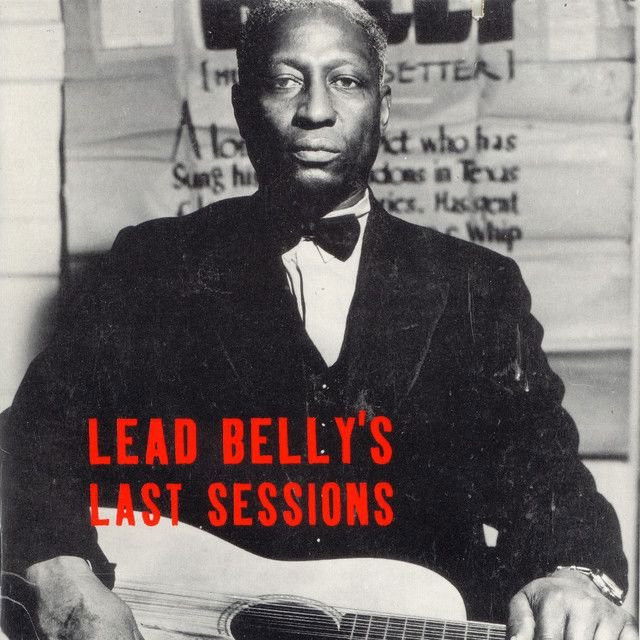
Black Betty by Lead Belly
A Folk Song With a Hard Edge
The meaning of Black Betty Lead Belly starts with one big fact: this is not just a simple character sketch. It is an old folk song with roots in African American work-song tradition, later associated with Huddie “Lead Belly” Ledbetter, who recorded a version in 1939 as part of Negro Sinful Songs. Many scholars treat it as older material that he adapted rather than invented from scratch. The song’s history, more than almost any one line, shapes its meaning.
"Black Betty" - Lead Belly
Looky looky yonder
Looky looky yonder
Loading lyrics...
Unable to load lyrics
We're unable to display the lyrics at this time. Please try again later.
That history matters because “Black Betty” has never had one fixed definition. Researchers and collectors have linked the phrase to a woman, a bottle of whiskey, a prison whip, and a prison transport wagon. The Lomaxes, writing about prison songs, argued that Black Betty referred to a whip used in Southern prisons. That context gives the song a darker frame than later rock listeners may expect.
Watch the official Black Betty
music video
What the Song Seems to Be About
At the surface, the song sounds playful and chant-like. It repeats names, short actions, and fragments like Looky looky yonder
and Where the sun done gone
. Those phrases create motion rather than a neat plot. The singer seems to be calling out what they see, what they feel, and what trouble surrounds them.
Interpretation: In Lead Belly’s world, the song is less about telling one clean story and more about gathering scenes from hard life: labor, desire, punishment, gossip, jail, and endurance. The repeated title phrase works like a center of gravity. Everything circles around Black Betty, but Black Betty may be a symbol more than a person.
That is why the song can feel elusive. One verse suggests attraction or bragging. Another hints at imprisonment. Another sounds almost comic. Folk songs often work this way: they collect meanings over time instead of locking into one.
The Prison Reading Changes Everything
The strongest historical reading comes from prison folklore. In American Songwriter, the song is traced to early Black work-song tradition and to recordings made by prison laborers in Texas in 1933. That origin makes the repeated hook feel less like nonsense and more like coded speech shaped by brutal conditions.
If “Black Betty” means a whip or prison wagon, then lines about being arrested, jailed, and unable to get bail fit naturally. The song’s world becomes one of confinement and powerlessness. A brief sequence lays that out clearly:
Last MondayI was arrested
On Tuesdaylocked up in jail
On Thursdaynobody called my bail
Those lines do not need much explanation. They show a person trapped in a fast-moving system, with almost no control over what happens next.
Why the Song Still Feels Wild
Even with that dark background, the song does not sound defeated. That is part of its genius. The rhythm is springy, the language is vivid, and the performance pushes forward. Lead Belly turns repetition into energy.
Short phrases like walking all day long
and been talking all day long
suggest endless motion and endless strain. The singer keeps going, even when the story turns toward trouble. The bounce of the delivery creates tension with the subject matter. That tension is a key part of the meaning.
Interpretation: The song may express survival through performance. By turning pain, labor, and disorder into chant, the singer claims some power over them.
How Lead Belly’s Style Carries the Message
Lead Belly’s version is far from the heavy rock attack most people know from Ram Jam. His recording grows out of folk and work-song tradition, where voice, pulse, and repeated calls matter more than polished arrangement. That stripped-down feel keeps attention on rhythm and language.
The production is simple, but that simplicity is expressive. Repetition creates a trance-like pull. The rough edges make the song feel communal, as if it comes from many mouths before it reaches the record. That fits the song’s documented folk history, also summarized at Wikipedia’s overview.
Because the performance is lean, each refrain lands hard. The title phrase is memorable, but in Lead Belly’s hands it does not feel like empty hook-writing. It feels inherited, worn in, and loaded.
Alternate Meanings That Also Make Sense
There are other possible readings, and they should be labeled clearly as interpretation.
A woman at the center
Some listeners hear Black Betty as a woman who is magnetic, chaotic, or hard to escape. Verses about a baby, talk, and jealousy can support that reading. This is likely why later versions often sound flirtatious or unruly.
A shifting folk symbol
Others hear Black Betty as a floating name that can hold many fears at once: violence, intoxication, temptation, or state power. Folk songs often preserve exactly this kind of ambiguity.
The best reading may be the widest one: Black Betty is a symbol shaped by Black American experience, especially labor and imprisonment, but flexible enough to keep absorbing new meanings.
Why the Song Lasted So Long
The song lasted because it is both specific and open. Its language is rooted in a real social world, yet it never explains itself fully. That makes each version feel a little new.
Lead Belly helped preserve that mystery. He did not clean the song up into a tidy message. They carried its fragments, force, and unease into recorded form, which is why the song still invites debate.
For readers searching for the meaning of Black Betty Lead Belly, the clearest answer is this: it is a folk song about trouble, control, and endurance, with strong ties to prison imagery and communal Black musical tradition. Its power comes from how much it says with so little.
Final Thought on Its Meaning
No single interpretation fully closes the song. The historical evidence points strongly toward prison-related meanings, but the song’s folk nature leaves room for layered readings.
Disclaimer: This article offers informed interpretation based on historical sources, recording context, and the lyrics provided. Folk songs often carry multiple meanings across time, and no single reading is definitive.








