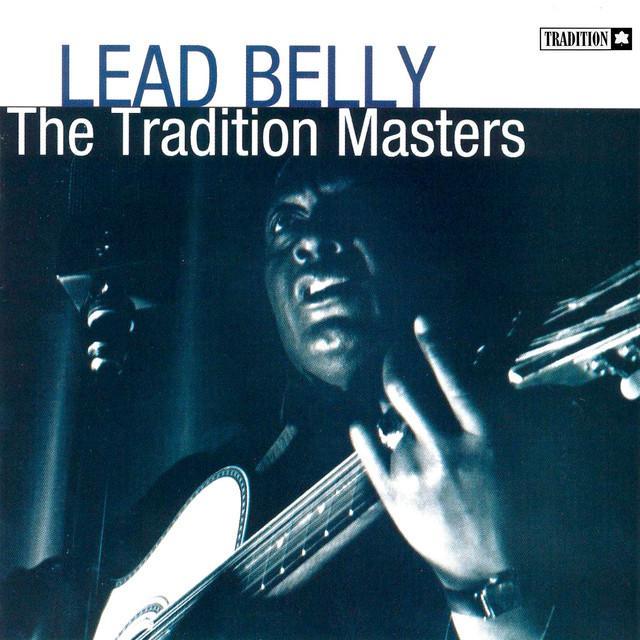
Where Did You Sleep Last Night by Lead Belly
A Folk-Blues Question That Never Feels Safe
The meaning of Where Did You Sleep Last Night Lead Belly starts with a simple question, but the song quickly becomes much darker than ordinary jealousy. On the surface, a speaker asks a lover where they were. Under that, the song opens a world of mistrust, coldness, violence, and dread.
"Where Did You Sleep Last Night" - Lead Belly
Tell me where did you sleep last night
In the pines, in the pines
Loading lyrics...
Unable to load lyrics
We're unable to display the lyrics at this time. Please try again later.
Lead Belly did not invent this song from nothing. It belongs to an older American folk tradition often called “In the Pines,” with many versions passed through oral culture before and during the twentieth century. Lead Belly became one of its most important interpreters, helping carry it to wider audiences through his recordings and performances, as noted by the Smithsonian Folkways and the Library of Congress.
Watch the official Where Did You Sleep Last Night
music video
What the Song Is Really About
At its heart, the song is about emotional distance. The speaker begs for honesty with lines built around don't lie to me
and the title question. That repeated demand makes the relationship feel cracked already. They are not calmly asking. They are afraid of what the answer means.
The setting deepens that fear. The repeated image of in the pines
suggests a place outside warmth, comfort, and human trust. The phrase where the sun don't ever shine
turns that place into more than a forest. It becomes a symbol of secrecy, shame, grief, or even death.
Interpretation: Many listeners hear the song as a betrayal ballad. Others hear it as a larger nightmare about abandonment and danger. Both readings fit because the song never explains everything directly.
How the Story Turns From Jealousy to Horror
One reason the song lasts is how suddenly it changes shape. The early lines sound like an argument between lovers. Then the song introduces a shocking image of a dead husband, separated from his body after a rail-related accident or violent event.
His head was found
in a driving wheel
That brief passage changes the whole meaning. It tells listeners this is not just a private fight. The world of the song is unstable and unsafe. Love, work, travel, and death all exist close together.
A Short Narrative Timeline
- A speaker asks where their lover spent the night.
- The answer points to a dark, freezing place.
- The song introduces a brutal death image.
- The question returns, now sounding even more haunted.
Because the song circles back instead of resolving, the listener stays trapped inside the tension.
The Pines as a Symbol of Fear and Exile
The pines matter because they feel both real and symbolic. In American folk music, woods often hold danger, loneliness, and social exile. Here, they are cold and sunless, and the speaker says they would shiver the whole night through
. That physical detail matters. The song does not describe heartbreak in abstract words. It makes heartbreak feel like exposure to weather.
Interpretation: The pines can stand for several things at once:
- a literal place where someone spent the night
- a secret space outside the rules of home
- a mental state of fear and isolation
- a borderland between life and death
That layered image is why the song remains powerful even when details shift between versions.
Lead Belly’s Voice and Sound Matter as Much as the Words
Lead Belly’s performance is central to the song’s meaning. Their delivery is direct, plain, and intense rather than polished. That matters because the song comes from a folk-blues tradition in which storytelling, repetition, and emotional pressure do much of the work.
Musically, the arrangement is spare. The steady guitar supports the voice without softening the tension. There is no lush production to make the song feel romantic. Instead, the rhythm moves like a warning, and the repeated refrain creates a hypnotic effect.
That simplicity helps the fear land harder. Each return to the central question feels less like a chorus and more like an obsession. The listener hears not only suspicion, but a mind stuck on one image it cannot escape.
Why the Murder Image Feels So Important
The dead husband verse is one of the song’s most discussed elements. Factually, versions of “In the Pines” have long mixed themes of infidelity, trains, decapitation, and disappearance. Folk songs often absorb fragments from different local stories, which is why they can feel dreamlike.
Interpretation: In Lead Belly’s version, that violent image may serve three functions:
- It raises the stakes of the lover’s question.
- It connects private pain to public danger, especially hard labor and rail life.
- It suggests that truth itself has been broken apart, just like the body in the verse.
That last point helps explain the song’s strange emotional force. It feels like a story where nobody can put the pieces back together.
Why This Old Song Still Reaches Modern Listeners
Part of the answer is ambiguity. The song never tells listeners exactly who is guilty, what happened in the pines, or how the dead man connects to the lover. That gap invites each generation to hear its own fears inside the song.
It also lasts because Lead Belly brought authority to old material. As a major figure in American folk and blues, they helped preserve songs that carried Black musical history, Southern storytelling, and working-class experience into the modern canon. When they sang this piece, it sounded lived in, not staged.
For many U.S. listeners, the song also feels timeless because its emotions are timeless: suspicion, loneliness, coldness, and the terror of not knowing the full truth.
The Lasting Meaning Beneath the Question
The meaning of Where Did You Sleep Last Night Lead Belly is not just about where someone was. It is about what happens when trust dies and the world turns cold. The song uses a lover’s question to open a larger landscape of dread.
Lead Belly’s version endures because it keeps both meanings alive at once. It is intimate and mythic, personal and violent, simple and mysterious. That is why one short question can still sound so unsettling generations later.
Disclaimer: This interpretation blends widely accepted historical context with informed reading of the lyrics and performance. Folk songs exist in many versions, so some meanings remain open to debate.








