Why ‘Case of the P.T.A.’ Still Hits
The meaning of Case of the P.T.A. Leaders of the New School starts with a joke, but it does not end there. On the surface, the 1991 single is a funny school story full of detention, lectures, and rebellious energy. Under that surface, it is also about what happens when kids feel watched, judged, and misunderstood by the adults who run their world.
"Case of the P.T.A." - Leaders of the New School
Oh man, oh man, oh man, oh man
Yo, yo, yo, I can't understand
Loading lyrics...
Unable to load lyrics
We're unable to display the lyrics at this time. Please try again later.
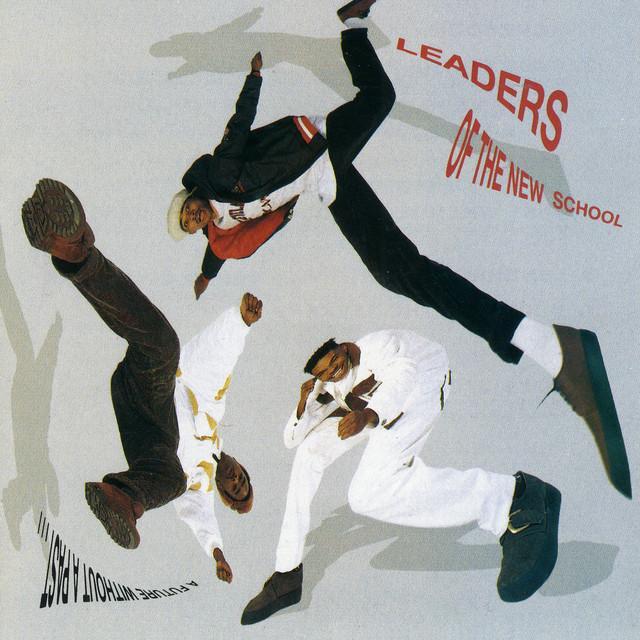
Leaders of the New School released the song as the first single from A Future Without a Past... in 1991, and it became an early breakout moment for the group. It also reached No. 4 on Billboard’s Hot Rap Singles chart, helping introduce their wild, youthful style to a wider audience. The track is commonly listed as written by group members including Busta Rhymes, Charlie Brown, Dinco D, and Cut Monitor Milo, though the user-supplied credits name Bryan Higgins, James Jackson, and Trevor Smith; published discographies add Sheldon Scott as well.
A School Comedy With Real Friction
At its core, the song turns school discipline into a rap comedy. Each member tells a different story about getting into trouble, dealing with teachers, or trying to survive the adult system around them. The hook, built around another case of that old PTA
, makes the title idea clear: the Parent Teacher Association becomes a symbol for authority closing ranks.
That is why the song feels bigger than a few pranks. The lyrics present parents, teachers, principals, and even community authority figures as one connected force. The kids may talk back, crack jokes, or act out, but the system still has the final word.
Interpretation: the song is not attacking education itself. It is mocking the gap between how adults think they are guiding kids and how kids actually experience that guidance.

Watch the official Case of the P.T.A.
music video
Three Verses, Three Kinds of Trouble
The song works because each verse adds a new angle.
Dinco D starts with teenage romance and parental suspicion. He frames himself as sincere, even studious, but the relationship becomes crowded by supervision. His clever line about love being three-dimensional
turns a simple crush into a triangle: boy, girl, and the girl’s father. That joke carries a real theme—young people often feel that private emotions are never fully private.
Busta Rhymes takes a louder route. His verse is built from class clown behavior, rule-breaking, and explosive charm. When he raps about being mischievous
and causing aggravation, they present rebellion as both performance and self-defense. He sounds too lively to fit neatly inside school rules.
Charlie Brown closes with the sharpest satire. He moves from suspension into a mock courtroom scene, where discipline becomes absurd theater. A phrase like brown versus the board
makes school punishment sound like a major legal battle. That exaggeration is funny, but it also shows how overwhelming minor school conflict can feel to a teenager.
Why the Chorus Matters So Much
The refrain is simple, repetitive, and memorable by design. Every verse ends up back at the same conclusion: adults will discuss, judge, and punish, then call it responsibility. By repeating the title line, the song suggests that these conflicts are not isolated. They are routine.
It’s just another case
of that old PTA
That short hook matters because it shrinks every dramatic story into a familiar pattern. No matter what happened, the result is the same: the student ends up facing a united adult front.
Sound, Style, and Controlled Chaos
Part of the meaning of Case of the P.T.A. Leaders of the New School comes from how it sounds. The production has a busy, bouncy feel that matches the lyrics’ school-hallway energy. The beat gives each rapper room to turn storytelling into sketch comedy, while the group’s back-and-forth ad-libs make the track feel like a live cafeteria argument.
The song has also been noted for using a sample tied to Ramsey Lewis’s version of “The Mighty Quinn” in reference material, though some online listings are not fully sourced. What is clear from the record itself is the playful structure: stop-start reactions, cartoonish sound cues, and quick voice interjections all help turn discipline into performance.
That matters because the group does not sound crushed by authority. They sound animated by it. The pressure from adults becomes material for humor, boasting, and identity.
Youth Identity Versus Adult Control
A lasting reason people remember the track is that it captures a common teenage feeling: adults talk about kids more than they talk with them. The intro asks why parents and teachers are always trying to control the younger generation. From there, the verses do not give one clean answer. Instead, they show confusion, embarrassment, flirting, chaos, and punishment.
Interpretation: the song argues that misbehavior is sometimes less a moral failure than a reaction to being boxed in. The students in the song are immature, yes, but they are also performing under constant surveillance.
That idea fits the group’s larger early image. Leaders of the New School were energetic, youthful, and proudly unruly within early 1990s hip-hop. Their style leaned into noise, motion, and group chemistry rather than polished respectability. This song turns that identity into a school-set mini-drama.
Why the Song Still Connects
Even now, the track lands because school is one of the first places where many people meet formal authority. Detention, parent calls, and public embarrassment are small events in adult life, but huge ones in teenage memory. This song understands that scale perfectly.
It is funny without being empty. Behind the jokes is a sharp point: institutions often call themselves supportive while feeling punitive from the inside. The group turns that tension into entertainment, which is why the record still feels alive.
In the end, the song is best heard as a comic protest. They are clowning, but they are also pushing back.
Disclaimer: This interpretation is based on the lyrics, performance, and available historical context. As with most songs, listeners may reasonably hear different meanings in it.







