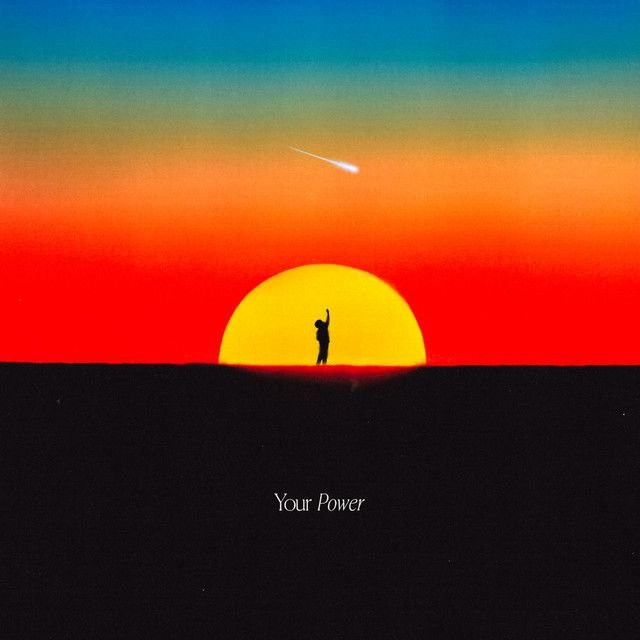
Your Power by Lecrae, Tasha Cobbs Leonard
What is the meaning of Your Power Lecrae, Tasha Cobbs Leonard? It’s a faith-forward anthem about leaning on God when life’s weight feels unmovable. The track pairs Lecrae’s testimony-driven rap with Tasha Cobbs Leonard’s worship fire to show how prayer, persistence, and divine help meet in real time.
"Your Power" - Lecrae, Tasha Cobbs Leonard
And by Your power, I know You made a way
And by Your power, I know You made a way
Loading lyrics...
Unable to load lyrics
We're unable to display the lyrics at this time. Please try again later.
Faith Under Pressure: The Message Beneath The Hook
The song opens with the mantra by Your power
, centering the source of strength before any victory shows up. That choice frames the story: they don’t wait for proof to believe; they believe to find footing.
Across the verses, Lecrae catalogs trials and mental strain, then circles back to dependence. He admits, I need it
, describing a reliance that’s constant, not occasional. The chorus resolves that need with trust: when doors close, God will make a way
.
Voices In Conversation: Rap Testimony Meets Church Prayer
Lecrae speaks in the first person, sharing moments of trauma, family stress, and inner battles, while addressing God directly. Tasha Cobbs Leonard answers with a congregational stance—lines like You're all I need
sound like a worship leader guiding a room to agree in faith.
Together, they create call-and-response. His detail grounds the pain; her refrain lifts the view. The effect is both personal and public, the booth and the pew sharing one prayer.
Narrative Beats That Shape The Testimony
- Shock and survival: He wakes “traumatized,” wary of the day. The song doesn’t skip the ache; it names it so healing has a place to land.
- Family and courts: A relative faces a trial, reminding listeners how faith gets tested by systems and outcomes they can’t control.
- Wrestling with the mind: He says he had to
fight through depression
. The admission normalizes struggle inside a faith context, refusing easy clichés. - Persistent prayer: Worn knees become a symbol of daily, honest talk with God. It’s not performance—it’s survival.
- Turn: The refrain keeps insisting God will
make a way
. That repetition moves the mood from fear to expectation. - Rescue named aloud: The bridge celebrates,
You always save the day
, turning testimony into a public thank-you.
Symbols, Scripture Echoes, And Why They Matter
Weather shifts—rain to clear skies—suggest seasons change under God’s hand. Mountain-moving imagery hints at impossible situations bowing to divine power. References to parted seas and resurrection recall deliverance stories, translating ancient miracles into modern hope. These pictures do heavy lifting: they let listeners feel faith as movement, not mere belief.
The phrase by Your power
becomes a creed. It says the unseen is real, even when people “don’t see it.” In plain terms, the song claims God’s Spirit works within and around them, especially when pressures close in.
How The Sound Carries The Prayer Forward
Musically, the track sits in a midtempo pocket where hip-hop drums, warm keys, and choir-like layers leave space for testimony. Lecrae’s cadence is clipped and urgent in the verses, matching the tension of the lyrics. Tasha’s vocal lifts the chorus with open vowels and sustained notes, pushing the hook toward congregational sing-along.
The arrangement grows from tight and rhythmic to wide and soaring, mirroring the storyline: from claustrophobia to clear air. Call-and-response moments build the feeling that a solo prayer has become a roomful of voices.
Context: Why This Collaboration Hits Different
Lecrae has long framed hip-hop as a place for faith-driven storytelling, while Tasha Cobbs Leonard is a powerhouse of modern gospel worship. Hearing them together bridges neighborhoods and sanctuaries. The writing credits include cross-genre figures (such as Lawrence Swoope and Lasanna “Ace” Harris), signaling a blend of street-level detail and church-rooted language.
That blend keeps the song honest. The verses stay gritty; the hook stays vertical. The message reaches both those who know Sunday liturgy and those who carry Monday’s burden.
Alternate Readings That Listeners Might Hear
- Interpretation: A mental health lens. The track can read as a recovery diary—naming trauma, practicing prayer, committing to daily steps—where God’s power stabilizes shaky ground.
- Interpretation: A communal protest-prayer. References to legal struggle and danger hint at social pressure. In that reading, the song is hope for families facing courts, violence, or economic strain.
Neither cancels the other. The power of the piece is that private faith becomes public courage.
Takeaway You Can Feel
Your Power is a modern testimony: honest about pain, stubborn about hope. It teaches a simple rhythm—name the struggle, pray in the middle, expect a door to open. The chorus plants this in memory so when pressure hits, the heart already knows what to say.
Disclaimer: Song meanings are interpretations; artists and listeners may experience the lyrics differently.








