The Meaning Behind “The Show” by Lenka
Why This Cheerful Song Feels So Nervous
The meaning of The Show Lenka starts with a contradiction: the song sounds bright, bouncy, and easy to sing along with, yet its words describe confusion, pressure, and emotional overload. That contrast is the key to why the track has lasted.
"The Show" - Lenka
Life is a maze and love is a riddle
I don't know where to go
Loading lyrics...
Unable to load lyrics
We're unable to display the lyrics at this time. Please try again later.
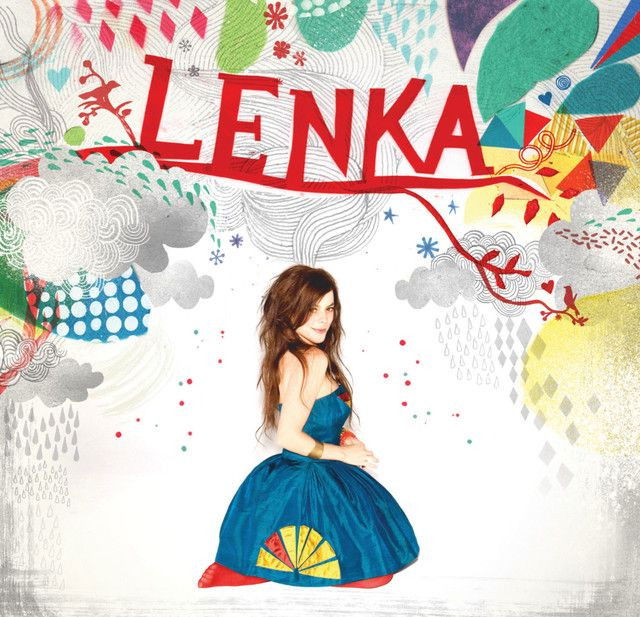
Released in 2008 as Lenka’s debut single from her self-titled album Lenka, the song turns everyday anxiety into pop. Instead of sounding crushed by life, they frame stress with a playful melody. That makes the message easier to carry: life may feel messy, but people still have to move through it.
At its core, the song is about feeling overwhelmed by love, identity, and expectation, then choosing not total control, but acceptance. The title idea of a “show” suggests that life can feel like a performance, a spectacle, or even a ride already in motion.
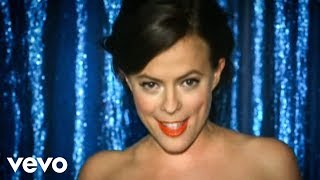
Watch the official The Show
music video
The Central Message: Caught, Confused, but Still Moving
The opening lines give the song’s emotional map. When the singer says they are caught in the middle
, the feeling is not just romantic confusion. It is broader than that. They are stuck between childhood and adulthood, fear and confidence, wanting answers and not having them.
The next image, life is a maze
, turns ordinary uncertainty into something physical. A maze has movement, but not clarity. People keep walking, hoping the next turn will make sense. Pair that with love as a puzzle, and the song presents life as something that must be experienced before it can be understood.
This is why the chorus lands so strongly. The singer does not claim wisdom. They admit they do not know exactly where to go. That honesty is the emotional engine of the track.
A Voice That Sounds Small on Purpose
Another important part of the meaning of The Show Lenka is how the narrator presents themselves. They call themselves a little girl
, which can sound simple at first, but it does important work.
Interpretation: this is less about literal age and more about vulnerability. The speaker feels small in a world that seems too fast and too organized. They are scared, but they hide it. That mix of fear and self-awareness is what makes the song relatable to so many listeners.
There is also a tension between private panic and public composure. The singer says the pressure is real, but they do not make a dramatic scene. Instead, they confess it in a light pop format. That makes the emotion feel believable rather than theatrical.
The Chorus Turns Surrender into Survival
The emotional breakthrough comes with the idea to enjoy the show
. This phrase is not pure happiness. It sounds more like hard-earned acceptance.
Before that line, the song lists stress, self-doubt, and the pain of trying to be someone else. Then the chorus shifts the lesson: if life cannot be fully controlled, maybe the healthiest response is to stop fighting every moment.
I'm so scared but I don't show it
I know, I've got to let it go
Those lines capture the pivot. First comes hidden fear. Then comes release. The song does not suggest that problems disappear. It suggests that clinging too hard can make them worse.
Images of Fate, Routine, and Performance
The second verse widens the focus from one person’s feelings to the world around them. The sun becomes a spotlight, and people move together as if following cues. That imagery makes life feel staged, almost mechanical.
Interpretation: this section hints that everyone is performing some role, whether they admit it or not. People follow signs, routines, expectations, and social scripts. In that sense, “the show” is not only the singer’s life. It is modern life itself.
That idea matches Lenka’s own comments about the song and video. In a Songfacts interview, they explained that the song is about not feeling in control and that the best response is to “take a backseat and let go.” That artist context supports the reading that surrender, not mastery, is the song’s real resolution.
How the Sound Carries the Meaning
Production matters here. “The Show” is a pop song, produced by Stuart Brawley, that uses a buoyant rhythm and crisp arrangement to soften the heaviness of the lyrics. The melody skips forward even when the words describe mental spirals.
That choice is smart. If the music were dark and slow, the message might feel hopeless. Instead, the lightness creates emotional distance. It lets listeners recognize anxiety without drowning in it.
Lenka’s vocal style is also central. They sing with a conversational, almost childlike brightness, which reinforces the song’s fragile point of view. The performance never becomes huge or overpowering. It stays human-sized. That makes the final message feel less like a slogan and more like self-coaching.
Why the Song Connected So Widely
Part of the song’s long life comes from exposure. It appeared in ads, TV, and films, and it reached No. 22 on the UK Singles Chart. Lenka later reflected that it helped them connect with a much larger audience because of its relatability and strong placements.
But visibility alone does not explain its staying power. The song lasts because it gives anxious people a usable phrase. “Enjoy the show” is not a perfect answer, but it is a memorable one. It turns uncertainty into a mindset: breathe, loosen your grip, and keep going.
The Lasting Takeaway
So, what is the meaning of The Show Lenka? It is about the moment when life feels too big, love feels too confusing, and identity feels unstable. Instead of solving that tension, the song learns to live with it.
Its real wisdom is modest. They do not promise certainty. They suggest that people can survive confusion by accepting that not everything can be controlled.
Disclaimer: This interpretation is based on the lyrics, released recordings, and public comments from Lenka and credited sources. As with any song, listeners may hear meanings that differ from this reading.








