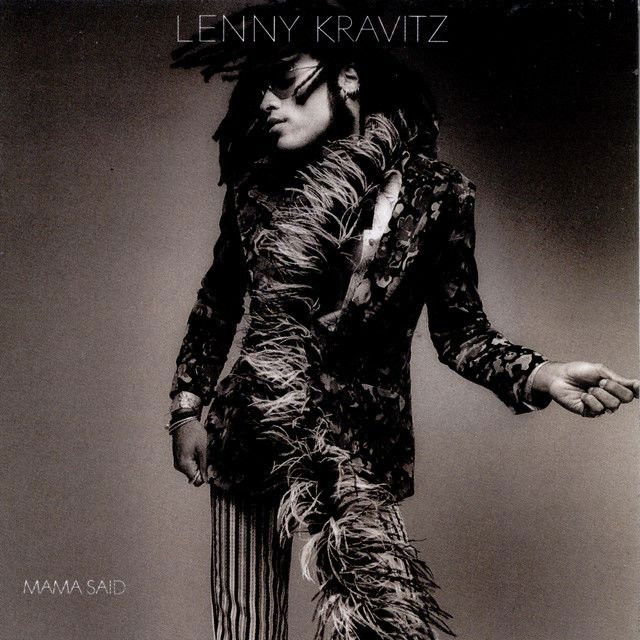
It Ain't Over 'Til It's Over by Lenny Kravitz
Love stories don’t always end when the scoreboard says they should. The meaning of It Ain't Over 'Til It's Over Lenny Kravitz comes down to one thing: refusing to surrender a relationship while there’s still a heartbeat left in it.
"It Ain't Over 'Til It's Over" - Lenny Kravitz
We are one
So much time wasted
Loading lyrics...
Unable to load lyrics
We're unable to display the lyrics at this time. Please try again later.
The Heart of the Plea: A Last Stand for Love
At its core, this is a midtempo soul ballad about perseverance. The famous title phrase—popularized by baseball’s Yogi Berra—turns into a personal mantra: don’t declare defeat while there’s still a chance. The singer admits the strain and the years of trying, yet he keeps asking for another shot. It’s not denial; it’s disciplined hope.
Watch the official It Ain't Over 'Til It's Over
music video
Who’s Speaking, Who’s Listening, and What’s at Stake
The narrator speaks in first person to a partner, looking back and owning mistakes. Early on, they insist we are one
, then confess they’ve been playing games with love
. The tension sits between unity and sabotage: they feel bound together, but pride and doubt have chipped away at trust. The voice is intimate, pleading, and gentle—never angry—because the goal isn’t to win an argument. It’s to win back a life together.
A Story Told in Cycles, Not Plot Twists
This isn’t a twisty narrative—it's a loop of trying, falling apart, and trying again. The lyric’s power comes from repetition, which mirrors real relationships that survive in rounds.
So many tears I’ve cried So much pain inside
They acknowledge the cost, then pivot toward faith. When they ask how many times did we give up?
, the answer is complicated: often, but not forever. Each time, they “worked things out,” which hints at a shared track record that makes one more try feel possible.
Key beats, in order
- Confession: they’ve wasted time and hurt each other.
- Resolve: they won’t declare it finished.
- History: they’ve broken before and mended before.
- Hope: the past repairs suggest this love can hold.
Why the Hook Hits Like a Mantra
The refrain reframes the verses from pain to purpose. Even as they catalog tears, the singer repeats the rule that keeps the door open. Lines about trying to keep our love alive
move the message from wishful thinking to action. Interpretation: the chorus functions like breathing through a panic attack—steady, grounding, and meant to override fear.
Old-School Soul, New Vulnerability: How the Sound Sells the Message
Kravitz cut this for his 1991 album Mama Said as a midtempo ballad steeped in Motown and Philly soul. The arrangement leans on warm Rhodes piano, lush strings, and his tender falsetto—classic soul colors that make heartache feel dignified. He played nearly every instrument himself, underscoring the song’s intimacy and control, while the Phenix Horns close it with a radiant coda that nods to Earth, Wind & Fire. The groove is unhurried, like someone talking you down at 2 a.m., and the mix leaves space for the voice to sound vulnerable instead of grand.
Context matters. This became Kravitz’s first US Top 10, peaking at No. 2 on the Billboard Hot 100 in 1991, and its video (directed by Jesse Dylan) introduced many listeners to his softer, soul-forward side. He reportedly even considered giving the song to Smokey Robinson before deciding to keep it, a sign he knew how timeless it sounded. Those choices frame the track as both a confession and a craft exercise: vintage soul technique in service of modern heartbreak.
Symbols and Motifs: Sports, Time, and Tears
- The title’s sports saying turns into a rule for love: finish the game you started.
- Tears and pain aren’t just sad images—they’re receipts of investment.
- The idea of “years we’ve tried” marks time as both weight and proof: yes, we’ve struggled, but our history is evidence that effort can work.
- “Games” suggests ego and miscommunication. Admitting them is the first step toward repair.
Alternate Angles Worth Considering
Interpretation: While the song reads like a plea to a partner, it can also play as self-talk—the singer convincing themselves not to spiral. In that reading, the mantra steadies the narrator more than it persuades the other person.
Another angle: it’s a bridge between genres and identities. Kravitz, a rock star by image, leans fully into soul balladry here. That crossover itself says something: love doesn’t recognize style lines, and neither should the plea to save it.
Takeaway That Sticks
If you’ve ever stood in the doorway of a breakup, this song feels like a hand on your shoulder. The message isn’t naive; it’s disciplined. Keep talking, keep showing up, and don’t mark the final score until the clock really runs out.
Disclaimer: Song meanings are subjective. This interpretation draws on lyrics, production, and known context but may differ from the artist’s intent.








