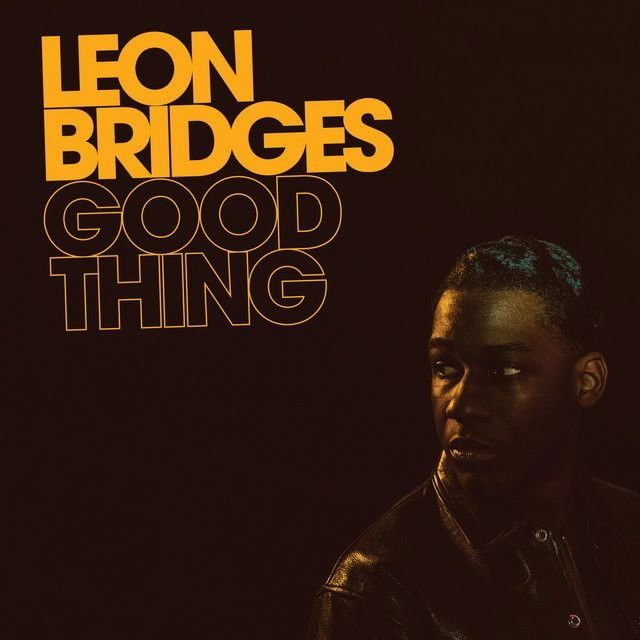
Bad Bad News by Leon Bridges
A Smooth Song About Turning Setbacks Into Power
The meaning of Bad Bad News Leon Bridges starts with a simple idea: they can take failure, doubt, and social pressure and turn all of it into confidence. The song is not a sad story about being beaten down. It is a stylish comeback song.
"Bad Bad News" - Leon Bridges
But I got a heart that's strong and a love that's tall
Ain't got no name, ain't got no fancy education
Loading lyrics...
Unable to load lyrics
We're unable to display the lyrics at this time. Please try again later.
Released on March 13, 2018, as a single from Good Thing, the track helped introduce the wider sound of Leon Bridges' second album, which arrived on May 4, 2018 through Columbia Records. Good Thing later debuted at No. 3 on the Billboard 200 and earned a Grammy nomination for Best R&B Album. On that album, Bad Bad News
stands out because it mixes soul tradition with a modern, playful edge.Wikipedia
At its core, the song says that outside judgment does not define a person. Bridges' narrator has no wealth, status, or elite background, but they still know their own worth. That makes the song feel both personal and universal.
Watch the official Bad Bad News
music video
The Speaker Refuses Shame
Early in the lyric, the narrator lists what they do not have: money, social power, and formal polish. But those lines are not self-pity. They build contrast. The point is that real value comes from inner strength, not from appearances.
When the song says heart that's strong
, it flips the usual success story. The narrator may not have riches, but they do have resilience. They also claim a sharp eye for fakery, mocking the image of a painted fool
. In plain terms, they can see through people who rely on image, class, or performance.
That matters because the song is partly about social barriers. The repeated plea to let me come through
sounds like someone pushing past a gate. They are tired of waiting in the back and ready to move forward.
The Chorus Turns the Whole Song
The chorus carries the song's main message. It presents a world that expects the narrator to fail, then answers that expectation with style and pride.
born to lose
good good thing
out ofbad bad news
This is the emotional key to the track. The song does not deny hard circumstances. Instead, it argues that bad circumstances can become fuel.
Interpretation: the phrase "bad bad news" works like a label placed on someone by other people. They may have been told they were trouble, unlucky, poor, or doomed. But the chorus reclaims that label. What others call bad news becomes the raw material for growth.
That is why the hook feels triumphant rather than defensive. It is not begging for approval. It is announcing survival.
Swagger Is Part of the Meaning
The verses also show how self-belief looks in action. The narrator says they do not worry about hostile people and meets pressure with cool control. One of the sharpest images comes when they move with style and grace
. The phrase suggests elegance under pressure.
There is also humor in the song. The line about watching rivals' "ankles break" borrows from basketball language, where a quick move leaves a defender off balance. In context, it means the narrator wins not through force, but through confidence and finesse.
This matters to the meaning of Bad Bad News Leon Bridges because the song is not just about endurance. It is about transformation. The speaker does not merely survive disrespect; they become more magnetic because of it.
How the Production Supports the Message
"Bad Bad News" was written by Leon Bridges, Nate Mercereau, Eric Frederic, Wayne Hector, Austin Jenkins, and Joshua Block, and produced by Nate Mercereau and Ricky Reed.Wikipedia That team helps explain the song's blend of old and new.
The track has a sleek groove, warm bass, crisp rhythm, and a loose, late-night feel. It nods to retro soul and funk, but it does not sound trapped in the past. That fits the larger story of Good Thing, an album many critics heard as a step beyond Bridges' early throwback image. Variety described the record as a variety pack of retro
, while Pitchfork argued that Bridges updated his language into something more believable.Wikipedia
In this song, that update is easy to hear. The arrangement has polish, but it never sounds stiff. Bridges sings with charm rather than strain, which helps the lyrics land as lived-in confidence instead of empty boasting.
A Song About Class, Access, and Self-Respect
Another way to hear the song is as a statement about access. The repeated desire to move "up front" suggests more than physical space. It points to visibility, opportunity, and respect.
Interpretation: the narrator may be speaking as someone kept outside elite circles because of money, education, or background. They know those systems are real, but they refuse to let those systems decide their future.
That reading fits the song's contrast between surface image and deeper truth. People with powder, paint, status, or polished presentation are not automatically wiser or stronger. The narrator, who has lived closer to struggle, sees through all that.
So while the song is catchy and playful, its message has weight. It pushes back on the idea that success belongs only to the already privileged.
Why the Song Still Connects
Part of the reason this track lasts is that it blends uplift with realism. It never says life is easy. It says people can make something useful, beautiful, even joyful out of hard conditions.
That is why the chorus feels so memorable. It speaks to anyone who has been underestimated, shut out, or told they would not amount to much. The song answers that insult with rhythm, humor, and poise.
In the end, the meaning of Bad Bad News Leon Bridges is about reclaiming the story. Bad headlines, bad odds, and bad assumptions do not get the final word. The final word belongs to the person who keeps moving forward.
Final Take on Its Lasting Message
Leon Bridges turns adversity into swagger on this track. The song's lyrics, groove, and vocal tone all work together to say the same thing: dignity does not come from status, but from self-possession.
That is the most convincing reading of the song, though interpretation always leaves room for other views. This article offers an informed interpretation, not a definitive statement from the artist.








