
Why Less Than Jake's Boring Town Still Hurts
The meaning of History of a Boring Town Less Than Jake comes down to one painful idea: they thought they would escape, but instead they are still surrounded by the same people, habits, and disappointments. What makes the song memorable is that it does not dramatize this feeling. It sounds casual, almost like a drink with an old friend, and that makes the regret hit harder.
"History of a Boring Town" - Less Than Jake
After all these years you're here and you remember me
She said her old boyfriend
Loading lyrics...
Unable to load lyrics
We're unable to display the lyrics at this time. Please try again later.
Released in 1998 on Hello Rockview, the song was issued as a single by Less Than Jake, a Florida band closely associated with ska punk. It was written by members of the band and produced by Howard Benson; it also reached No. 39 on Billboard's Modern Rock Tracks chart, according to widely cited reference sources.[1][2]
A Reunion That Opens an Old Wound
The song starts with a conversation. They reconnect with a girl who used to live on the same street, and that simple meeting triggers a flood of memory. Both people sound older, more tired, and less certain than they once were.
She talks about a relationship ending and a new job that may not last. Instead of sounding shocked, they both respond like people who have seen this pattern before. When she says life can burns out so fast
, the line turns the scene from small talk into a larger statement about time, youth, and fading plans.
Interpretation: the girl is not just a character. She mirrors the narrator's own stalled life. Her failed relationship and shaky job reflect the same sense of drift that shapes the whole track.
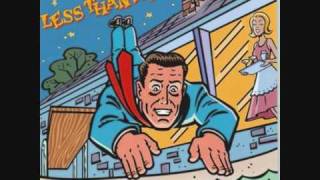
Watch the official History of a Boring Town
music video
The Chorus Turns Boredom Into Regret
The chorus is where the real confession appears. The song calls it a boring life
in a boring town
, but the deeper wound is not boredom alone. It is the knowledge that they once promised themselves they would leave.
That is why the most revealing idea is the admission that they used to say
they would never stay. The song is not mocking small towns from a distance. It is criticizing the gap between youthful certainty and adult reality.
There is also a social angle. The problem is not only the town itself but that same old crowd
. The repetition suggests a trapped social world where the same people, same stories, and same habits keep pulling them backward.
What Happens Across the Story
The narrative is simple, which helps the emotion feel direct:
- They meet someone from the past.
- They compare how life turned out.
- They drink and look backward instead of forward.
- They admit they may never leave.
That structure matters. The song begins with motion, a chance encounter, but ends with emotional stillness. Even the memories of being the ones who would always leave
now sound bitter. Their old identity has not come true.
And remember when they'd look through you
And they'd look past me
This brief moment adds another layer. It suggests they were once ignored or underestimated, which may be why leaving mattered so much. Escape was not just about geography. It was about proving people wrong.
More Than a Hometown Song
A literal reading says the song is about being stuck in a dead-end hometown. That reading fits the words. But there is another strong possibility.
Interpretation: the town also works as a symbol for emotional stagnation. The repeated images of the same crowd, the same drinks, and the same talk suggest that boredom can follow people anywhere if their lives stop changing.
That idea matches comments from singer Chris DeMakes, who told Songfacts that the song grew out of touring monotony and arriving in places that felt empty or repetitive.[1] In other words, “boring” is partly about environment, but it is also about the drained feeling that comes from too much sameness.
This makes the song more universal. Listeners do not need to be from a small town to understand it. Anyone who has watched their younger ambitions shrink into routine can hear themselves in it.
How the Sound Sells the Feeling
Less Than Jake were known for blending punk energy with ska rhythms and brass, and that musical style matters here. On paper, these lyrics could have become slow and gloomy. Instead, the band plays them with speed, bounce, and melodic punch.
That contrast is the secret. The horns and upbeat drive make the song feel restless, not passive. They do not sound fully defeated. They sound irritated, self-aware, and still full of nervous motion.
Producer Howard Benson helped shape Hello Rockview into a sharp, radio-ready record without losing the band's attack.[2] In this song, that means clean momentum supports a messy emotional message. The arrangement keeps moving even as the lyrics describe being unable to move on.
Why the Song Still Connects
Part of the staying power of the meaning of History of a Boring Town Less Than Jake is how honestly it captures a common adult fear: not failure in a dramatic sense, but settling into a life they once swore they would outgrow.
The song never offers a fix. There is no grand escape at the end. There is only recognition, and that honesty is what gives it weight. It understands how easy it is to laugh, raise a drink, and suddenly realize the past has become the present.
The Last Take
At its core, this is a song about stalled momentum. A chance reunion forces them to see that time moved forward, but they did not move as far as they hoped.
That is why the track still lands. It turns a local scene into a bigger truth about regret, repetition, and the quiet panic of staying put.
Disclaimer: This interpretation is based on the lyrics, known release context, and band commentary. Like any song, it can support more than one valid reading.








