Why 'Lessons in Love' Still Hits Hard
The meaning of Lessons In Love Level 42 comes down to a simple but painful idea: love does not fail only because feelings disappear. It can also break under pride, bad timing, and habits people never fix.
"Lessons In Love" - Level 42
I felt sure we had enough but our love went overboard
Lifeboat lies lost at sea I've been trying to reach your shore
Loading lyrics...
Unable to load lyrics
We're unable to display the lyrics at this time. Please try again later.
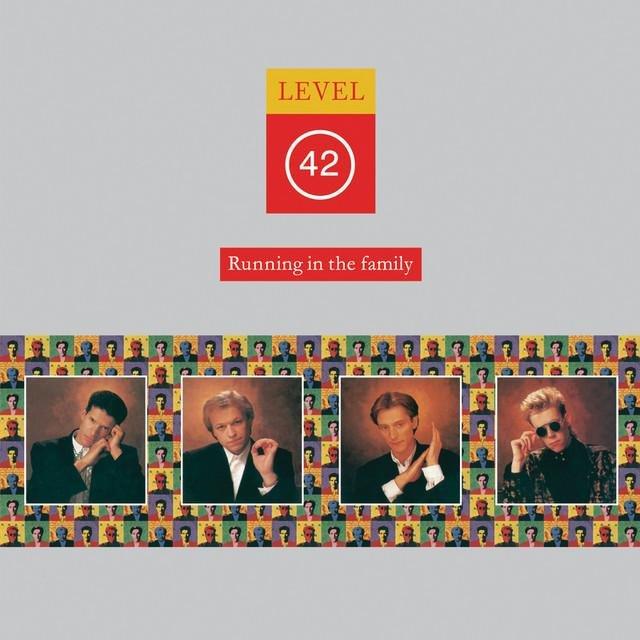
Released in 1986 and later included on Running in the Family, the song became one of Level 42's biggest hits, reaching No. 3 in the UK and No. 12 on the US Billboard Hot 100, with multiple No. 1 placements across Europe, according to Wikipedia and Songfacts. That broad success makes sense: its message is specific enough to feel personal, but universal enough to fit almost any struggling relationship.
A Breakup Song That Still Believes in Repair
At its core, this is a song about accountability. The speaker begins by admitting fault, not hiding behind anger. When they confess they were wrong and describe love going overboard
, the relationship sounds less like a clean ending and more like a preventable accident.
That matters because the song is not just sad. It is self-correcting. They look back at shared plans and see the gap between hope and reality. Dreams were built, but not lived. Homes were imagined, but never reached. The repeated phrase lessons in love
turns heartbreak into a kind of emotional education.
Interpretation: The song suggests maturity begins when people stop asking only "Who hurt whom?" and start asking "What did this teach us?"

Watch the official Lessons In Love
music video
The Emotional Timeline Hidden in the Verses
The verses move in a clear sequence, and that helps explain why the song feels so relatable.
- First comes confession: the speaker admits failure.
- Then comes distance: they are trying to reconnect, but cannot quite reach the other person.
- Next comes reflection: they remember the future they once pictured together.
- Finally comes urgency: if they do not act now, time itself will close the door.
The sea imagery carries much of that movement. Phrases like reach your shore
and waves of doubt
turn emotional conflict into a survival scene. Love is not shown as soft or dreamy here. It is unstable, deep, and hard to navigate.
If we lose the time before us
The future will ignore us
Those lines are the song's sharpest warning. They say the real enemy is not only hurt feelings. It is delay. Waiting too long can make reconciliation impossible.
Why the Chorus Feels Bigger Than the Story
A lesser song might treat the chorus as a slogan, but Level 42 use it as a frame. Each return to when will you ever learn
broadens the meaning. It is not just one person scolding another. It sounds like both people are trapped in the same pattern.
That ambiguity is important. The lyrics never turn fully cruel. Even when frustration rises, the song still leaves room for hope, especially with the promise to wait for a return. The emotional mix is what gives the chorus its staying power: blame, longing, patience, and warning all coexist.
Interpretation: The chorus works because it can be heard two ways. It may be aimed at a partner, but it may also be self-criticism. That double meaning keeps the song from feeling simplistic.
Images of Houses, Sand, and Sinking Hearts
Beyond the water metaphors, the song uses ordinary images to show how love collapses. "Homes" and "dreams" are not just romantic symbols; they suggest plans, stability, and a shared adult future. The tragedy is not only that the couple is hurting now. It is that they had a life blueprint and failed to step into it.
Then the song shifts to something more fragile: hopes fading like marks on sand. That image is powerful because sand records a path only briefly. One wave, and it is gone. In other words, memory remains, but evidence of the relationship begins to disappear.
The phrase token words
also matters. It hints that communication still exists, but only in weak, automatic form. They are speaking without really connecting. For a song about love lessons, that may be the hardest lesson of all: words alone do not save intimacy.
How the Sound Turns Regret Into Pop Energy
Part of what makes the meaning of Lessons In Love Level 42 so effective is the contrast between lyric and sound. The track is sleek, bright, and rhythmically alive. Sources note that the final recording layered seven basslines and used synths including the Synclavier, Prophet models, and Yamaha DX7, recorded in early 1986 at Maison Rouge Studios and produced by Level 42, per Wikipedia.
That dense, polished arrangement creates motion even when the lyrics describe emotional stalling. The groove keeps pushing forward, almost like the future the song keeps insisting they should not waste. Mark King's vocal also helps: it carries tension without collapsing into despair.
This is why the song does not feel like a ballad of defeat. It sounds urgent, stylish, and controlled. Even in regret, there is momentum.
Why It Connected So Widely
Commercially, the song's reach was huge. Songfacts says it was Europe's second biggest-selling single of 1986, and critic David Quantick later called it one of the best singles of the '80s
in Q, as quoted on Wikipedia. Those responses reflect the song's smart balance: emotional seriousness delivered through irresistible pop craftsmanship.
For American listeners especially, that balance helps explain why the track crossed over. Its relationship theme is timeless, but its production gives that theme lift instead of heaviness.
The Lasting Lesson
So what is the meaning of Lessons In Love Level 42? It is a song about how people can ruin something valuable through ego, silence, and hesitation, then realize the cost only when they are close to losing it.
Its genius is that it does not treat love as magic. It treats love as practice, failure, memory, and effort. That makes the song feel older and wiser than many breakup hits.
As always, song meaning involves interpretation. The reading above is based on the lyrics, recording context, and documented release history, but listeners may hear different shades of regret, blame, or hope.







