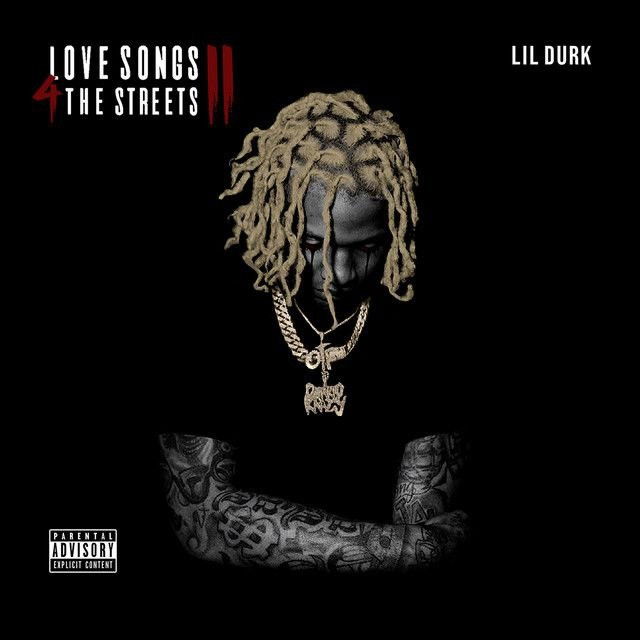
Love Songs 4 The Streets by Lil Durk
Why This Song Hits So Hard
The meaning of Love Songs 4 The Streets Lil Durk centers on a hard idea: they treat street pain like a form of romance. The title sounds soft, but the song is not soft at all. It turns loyalty, loss, guilt, and survival into a kind of love language.
"Love Songs 4 The Streets" - Lil Durk
(Yeah)
I make love songs for the streets
Loading lyrics...
Unable to load lyrics
We're unable to display the lyrics at this time. Please try again later.
Lil Durk has long built songs out of confession, street memory, and emotional fatigue, especially across projects tied to the Love Songs 4 the Streets series. Here, they frame themselves as someone making music for women, friends, fallen peers, and their neighborhood at the same time. That mix is the point. The song argues that in Durk’s world, love and damage are never far apart.

Watch the official Love Songs 4 The Streets
music video
A Hook About More Than Romance
When the chorus says love songs for the streets
, they are redefining what a love song can be. They are not singing about candlelight or simple devotion. They are saying the streets shaped them so deeply that even their emotional music is still tied to danger, memory, and code.
They widen that idea by naming my day ones
and the trenches
. That shows the track is aimed at different audiences at once: old friends, people from the neighborhood, lovers, doubters, and the dead. Instead of separating private feelings from public reputation, the song fuses them.
Interpretation: the chorus works like a mission statement. Durk seems to say that their most personal songs still belong to the environment that raised them.
The Real Story: Success Has Not Brought Peace
One of the strongest parts of the song is how success does not sound freeing. They mention chasing money, being distant from God, and feeling cut off from their son. The brief plea Please forgive me
is one of the most revealing lines in the track because it shifts the focus from toughness to regret.
That regret matters. Many rap songs about wealth stress victory. This one stresses cost. They have money and status, but they also have spiritual distance, family strain, and emotional numbness.
There is also a painful contradiction in being surrounded by people who tell them to harden up. They admit they are trying not to feel too much, yet they cannot fully shut those feelings off. That tension gives the song its emotional engine.
Loyalty, Betrayal, and Street Memory
The trust problem at the center
A major theme is broken trust. Durk describes watching old relationships change and seeing betrayal up close. The message is simple: people who were once close can still become dangerous.
That is why the verses move with suspicion. They are always checking who stayed solid, who talked too much, and who switched sides. In this world, loyalty is precious because it is rare.
Grief never leaves the room
The song also carries grief in quiet ways. References to lost friends and saved voicemails suggest they are living with absence every day. Rather than giving a neat tribute, Durk shows grief as routine. It enters phone calls, court memories, and ordinary thoughts.
Taking pills to keep from cryin'When I wanna hear your voice
Those short lines capture the song’s deepest sadness. One shows self-medication; the other shows how memory replaces real presence. Together, they make the track feel less like a victory lap and more like a survival diary.
How the Sound Supports the Meaning
Production-wise, the song fits Durk’s melodic drill style: moody, spacious, and heavy without rushing too fast. The beat tag at the start promises impact, but the instrumental leaves room for reflection. That matters because the song lives between confession and threat.
Their vocal delivery also does important work. Durk often sounds like they are half-rapping, half-sighing, which makes the song feel intimate even when the lyrics deal with status and violence. The repeated hook becomes hypnotic, almost like they are trying to convince themselves that all this pain can still be turned into purpose.
Factual credits for the song list Darrel L. Jackson and Durk D. Banks as writers. That matches Durk’s broader catalog, where personal testimony is a major part of the appeal, as seen in coverage of Lil Durk. Critics and fans often respond to that directness more than to technical wordplay alone.
What the Song Says About Lil Durk’s Persona
This track strengthens a key part of Durk’s public image: they are both vulnerable and guarded. They can talk about street codes, courtroom tension, and lost friends, but they also let guilt and loneliness show through.
That blend is why the title works so well. A lesser artist might use “love songs” as irony only. Durk uses it more honestly. They suggest that for people raised around trauma, love can sound like checking in, grieving the dead, staying loyal, and apologizing too late.
Two Plausible Readings
Reading one: a letter to the whole block
Interpretation: the song may be heard as an open letter to everyone tied to Durk’s life. Lovers, friends, enemies, family, and hometown all get addressed at once. That explains the wide emotional range.
Reading two: a confession of emotional exhaustion
Interpretation: the song can also be read as burnout. The repeated return to the hook feels less celebratory than trapped, as if they keep circling the same pain because they have not escaped it.
Final Take on the Meaning
The meaning of Love Songs 4 The Streets Lil Durk is not about romance in the usual sense. It is about what love looks like when life is shaped by loss, fame, guilt, and constant vigilance. Durk turns the idea of a love song into something rougher and more honest: music for the people and places they cannot leave behind, even after success.
That is why the song lingers. It sounds like devotion, but also like damage.
Disclaimer: This interpretation is based on the lyrics, available credits, and public artist context. As with any song, meaning can vary from listener to listener.









