Why “witchblades” Feels Like a Dark Spell
The meaning of witchblades Lil Peep, Lil Tracy starts with contrast. On the surface, the song sounds like a flex-heavy goth-rap anthem full of style, drugs, and crew pride. Under that surface, though, it keeps circling back to alienation, self-mythology, and death.
"witchblades" - Lil Peep, Lil Tracy
(Ooh, Bi-Bighead on the beat)
Switchblades, cocaine
Loading lyrics...
Unable to load lyrics
We're unable to display the lyrics at this time. Please try again later.
Lil Peep and Lil Tracy were central figures in the emo-rap wave of the late 2010s, and their work often fused confessional writing with punk, trap, and goth imagery. In “witchblades,” they turn that blend into something catchy and unsettling at the same time.
A Hook Built From Image and Threat
The chorus hits first with symbols, not explanation. Phrases like Switchblades, cocaine
and black fur, black coat
create a mood before they tell a story. They stack violence, drugs, and fashion into one aesthetic package.
That matters because the song is not just describing objects. It is building an identity. The repeated references to GothBoiClique make the track feel like a ritual of belonging, where clothes, substances, and attitude become a shared language.
Interpretation: the hook sounds triumphant, but its repetition also feels obsessive. Instead of stable confidence, it suggests they need to keep chanting the image to hold themselves together.

Watch the official witchblades
music video
The Real Emotional Center Hides in the Verse
The clearest emotional clue comes when Peep looks backward and says In high school I was a loner
. That line shifts the whole song. Suddenly, the dark glamour of the hook looks less like pure swagger and more like armor.
He follows that memory with self-labeling and inner conflict, including I'm bipolar
and the blunt fear of moral ruin in still goin' to hell
. Rather than sounding polished or heroic, these lines feel raw and exposed.
This is where the meaning of witchblades Lil Peep, Lil Tracy becomes sharper: they are showing how a damaged self can turn pain into style. The persona is loud, but the wound underneath is older and quieter.
Desire, Drugs, and the Pull of Oblivion
Another major theme is trance. The song keeps linking romance, intoxication, and surrender. The image of being whispered into a spell turns attraction into loss of control, while the drug references make that loss feel chemical as well as emotional.
A short multi-line passage captures that collapse of pleasure and doom:
Witchcraft, love chants
Whisper in my ear
Cocaine, all night long
Here, intimacy is not safe or healing. It is seductive, foggy, and dangerous. Love sounds less like connection than hypnosis.
Then the song turns toward death with the recurring wish to be buried with jewelry still on. That image mixes vanity and mortality. It says they want to carry status into the grave, but it also admits they are already thinking about the grave.
Why the Darkness Sounds So Catchy
Part of the song’s power comes from how easy it is to sing along with. The beat is bright enough to feel infectious, yet cold enough to feel emotionally distant. That contrast is central to Peep’s catalog and to the wider emo-rap sound he helped popularize, as noted in coverage from outlets like Rolling Stone and The New York Times.
The production tag points to Bighead, a frequent Peep collaborator, and the track uses crisp trap drums, a looped melodic line, and space in the mix to create a hypnotic feel. That sparseness matters. It gives every phrase room to land like a slogan or a confession.
Lil Tracy’s presence also shapes the meaning. His delivery leans playful and icy, while Peep sounds more wounded even when saying similar things. Together, they make the song feel like two versions of the same defense mechanism: one stylish, one haunted.
GothBoiClique as Shelter and Performance
The repeated crew shout-outs are not filler. They show how group identity works in the song. When they invoke GothBoiClique, they are naming a scene, a family, and a brand all at once. For artists who often wrote about isolation, that kind of belonging matters.
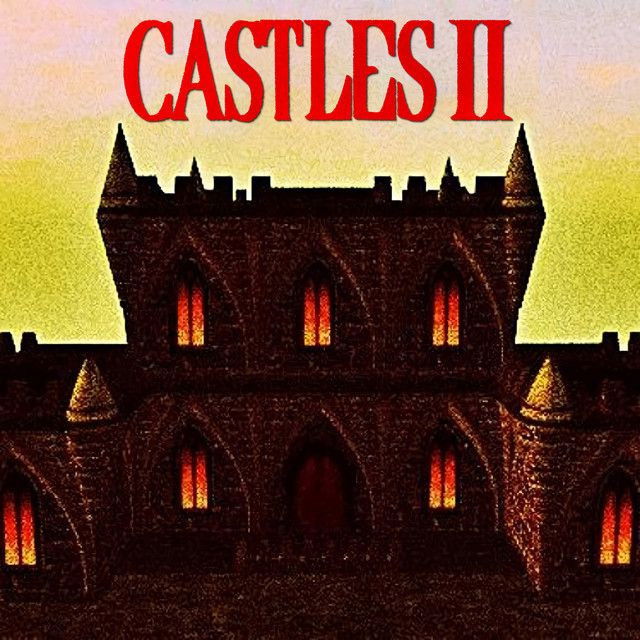
At the same time, the song hints that belonging can become performance. The castle, fur, blades, and all-black clothing are dramatic images. They make pain look cinematic.
Interpretation: “witchblades” may be partly about how subculture saves people from loneliness, but also how it can turn suffering into a pose that has to be constantly maintained.
Two Strong Ways to Read the Song
There are at least two convincing readings:
- Lifestyle anthem: It celebrates a goth-rap world of drugs, sex, fashion, and crew loyalty.
- Masked confession: It uses those same images to hide, and reveal, loneliness, instability, and death-fixation.
The best reading is probably both. That tension is what makes the track memorable. It is fun, bleak, seductive, and sad at the same time.
Why “witchblades” Still Connects
The song lasts because it captures a feeling many listeners recognize: turning pain into image, then hoping the image can protect them. The bravado is real, but so is the hurt.
For anyone asking about the meaning of witchblades Lil Peep, Lil Tracy, the simplest answer is this: it is a song about building a dark persona out of loneliness, desire, and self-destruction, then letting the beat make that persona feel almost magical.
That is an interpretation, not a confirmed statement from the artists. Like most great songs, “witchblades” stays alive because it leaves room for listeners to hear both the flex and the cry for help.








