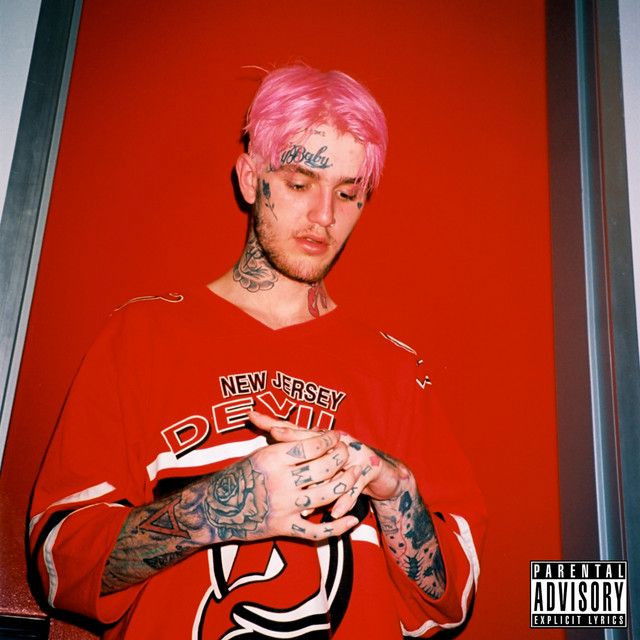
Why 'Drive-By' Feels Like a Crash in Slow Motion
The meaning of Drive-By Lil Peep, Xavier Wulf comes down to one sharp tension: the song sounds exciting, but its heart is bleak. It turns speed, smoke, and bravado into signs of a life that feels out of control.
"Drive-By" - Lil Peep, Xavier Wulf
Motorola phone, I ain't goin' home
I won't go to work, mama hate me and I know it though (and I know it though)
Loading lyrics...
Unable to load lyrics
We're unable to display the lyrics at this time. Please try again later.
Lil Peep and Xavier Wulf both built reputations around dark, nocturnal rap styles, though they came from different scenes. Peep became known for blending emo feeling with rap and trap textures, while Wulf emerged from the Memphis-influenced underground with a colder, harder delivery. That mix matters here. The song feels like a joyride on the surface, but underneath it, they suggest panic, alienation, and the sense that youth may not last.
The Real Story Hiding Under the Flex
On paper, the lyrics look simple. The narrator says they are not going home, not going to work, and not interested in acting responsibly. Short phrases like I ain't goin' home
and I won't go to work
frame the speaker as someone rejecting rules and routine.
But the song does not present that rejection as freedom in a healthy sense. It sounds more like a collapse. The mention of family tension, especially the line about their mother hating them, brings shame into the track. That detail keeps the song from being just a party record. It hints that the reckless behavior is tied to damaged relationships and self-image.
Interpretation: the narrator is not simply bragging. They are performing toughness because they already feel broken.

Watch the official Drive-By
music video
Speed as a Symbol, Not Just a Detail
The repeated image of racing at 125
is the track’s central symbol. It creates momentum, but it also creates dread. The hook keeps circling back to the same dangerous action, as if they are trapped inside one bad impulse.
The key line is the fear attached to that movement: I ain't even 25
. That phrase gives the song its emotional center. Instead of treating risk as cool, it links reckless behavior to early death.
This is why the chorus lands so hard. It is not only about driving fast. It is about living fast because slowing down might mean facing pain, regret, or emptiness. In that reading, the car becomes an escape machine.
A Nightlife Anthem With a Hollow Center
The verse about smoking, texting, and riding through the night widens the picture. The speaker keeps themselves high, tries to smooth over conflict, and sticks close to friends. Those details show a life built on temporary fixes.
When the narrator says they gotta stay high
, the phrase sounds less like celebration than dependence. The song suggests that intoxication is part of how they get through the night, not just how they enjoy it. Even the social scenes feel unstable. They go to a party saying they are not trying to fight, which implies that tension is always near.
That contradiction is one of the song’s strongest ideas. The track is full of motion and people, yet it still feels lonely.
How the Two Artists Shape the Meaning
Lil Peep’s persona often revolved around emotional exposure, self-destruction, and romantic or personal fallout, a pattern widely noted in coverage of his career by outlets like Rolling Stone and The New York Times. Xavier Wulf, by contrast, usually brings a colder, more street-oriented intensity, shaped by Southern rap traditions and his underground rise documented by sources like The Fader.
Together, they create a song where emotional doom meets hard-edged swagger. That blend matters because it stops the track from being one-note. Peep gives it fragility. Wulf gives it force.
Why the Production Feels So Dangerous
The song was written by Braden Morgan, Gustav Ahr, Kyle Dixon, Michael Stein, and Xavier Wulf, according to the credits provided. The production feel is crucial to the song’s meaning, especially because Dixon and Stein are known for synth-heavy, ominous work in screen music, including Stranger Things as documented by Netflix and major profiles in Pitchfork.
That background helps explain why the beat feels cinematic and dark. The instrumental leans into tension rather than warmth. Its steady pulse mirrors the hypnotic loop of the chorus, while the shadowy synth texture makes the track feel like a late-night highway scene. The production does not just support the lyrics. It makes the listener feel the danger repeating.
One Brief Lyric Snapshot
The song’s emotional logic is clear in this short section:
Drive by at 125
Fly by at 125
I'ma die
I ain't even 25
Paraphrased, the narrator ties thrill directly to mortality. That is the whole song in miniature.
The Best Way to Read the Song
A useful reading is that the track dramatizes self-destruction as style. The speaker acts fearless, but the song keeps admitting vulnerability. They dodge home, work, sobriety, and emotional responsibility, yet none of those escapes bring peace.
Another possible reading is that the song exaggerates everything on purpose, using extreme images to capture youth culture at its most detached and nihilistic. Even then, the same point remains: chaos is being used to cover pain.
Final Take on the Meaning
The meaning of Drive-By Lil Peep, Xavier Wulf is not just about cars, drugs, or rebellion. It is about how reckless living can look powerful while actually revealing fear, shame, and fatalism. The song turns speed into a metaphor for emotional collapse.
That is why it still hits. They make destruction sound thrilling, then quietly show how empty that thrill can be.
Disclaimer: This article offers an interpretation based on the lyrics, credits, and public artist context. Song meanings can vary from listener to listener.
Sources
- https://www.rollingstone.com/music/music-features/lil-peep-dead-new-music-804686/
- https://www.nytimes.com/2017/11/16/arts/music/lil-peep-dead.html
- https://www.thefader.com/2015/11/03/xavier-wulf-interview
- https://pitchfork.com/features/interview/10074-stranger-things-composers-kyle-dixon-and-michael-stein/
- https://www.netflix.com/title/80057281








