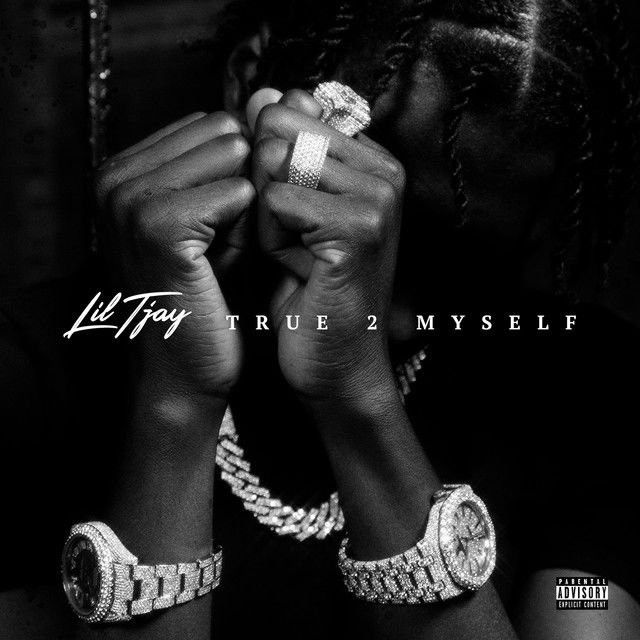
Why "Laneswitch" Feels Like a Warning
The meaning of Laneswitch Lil Tjay comes through fast: this is not a calm victory lap. It is a song about trying to grow while still living inside danger, pride, and old habits. Lil Tjay frames success as something real but unstable. Fame has arrived, yet peace has not.
"Laneswitch" - Lil Tjay
(Nagra)
I don't even care about nun niggas gotta say, everybody can suck my dick
Loading lyrics...
Unable to load lyrics
We're unable to display the lyrics at this time. Please try again later.
Written by Tione Merritt with Joao Victor Alba Duarte, Jugraj Nagra, and Warren McQueen, “Laneswitch” shows the New York rapper in a familiar but sharp mode: reflective for a moment, then defensive, then openly threatening. That mix is why the song lands. It is less about one event than a mindset under pressure.
The Core Message Hiding Inside the Bravado
At the center of the track is a confession. Early on, they admit still young, still dumb
, then immediately say they are trying to change. That matters because it sets up the whole song. The verses are full of flexes, enemies, weapons, money, and women, but the hook tells listeners this is also about unfinished growth.
Interpretation: the song's real tension is not simply "me versus my enemies." It is "who they are now versus who they are trying to become." That is why the aggression sounds reactive, not random.
When Lil Tjay says they try to focus on music, the song suggests rap is both an escape route and a burden. Music offers a new lane, but the old one keeps calling back. The title points to that conflict: a lane switch sounds simple, but in this world it is risky, public, and maybe never fully complete.
Watch the official Laneswitch
music video
A Chorus About Growth That Never Feels Safe
The chorus is the key to the meaning of Laneswitch Lil Tjay because it repeats the same contradiction. They want to move forward, but they feel surrounded by people who test them. The line about staying on this road until my laneswitch
makes the title sound like a future event, not a finished transformation.
That wording is important. They are not saying the change already happened. They are saying they are still in motion.
This makes the song feel restless. Even while celebrating status, cars, clothes, and sexual power, they sound like someone who cannot fully relax. Every success marker comes with a warning attached.
Street Memory Meets Rap Success
One reason the song works is how it mixes present fame with older survival instincts. Lil Tjay references being young and already hustling, then jumps to images of luxury and public success. That creates a timeline:
- Early struggle and street learning.
- Growing ambition and belief they would "blow."
- Fame arriving, but paranoia staying.
- Loyalty to lost friends still shaping the present.
The mention of doing it for Smelly adds emotional weight. Lil Tjay has referenced the late friend in multiple songs, and that recurring tribute helps explain why grief sits under so much of their music. In “Laneswitch,” that grief is brief but important. It reminds listeners that the hard exterior has a personal cost behind it.
The Images That Tell the Story
The song uses a few strong motifs over and over:
Roads, motion, and direction
The title itself is the biggest symbol. A lane is more than traffic here. It means life path, street role, music career, and identity. To switch lanes means trying to move into something safer or bigger without getting hit on the way.
Language and separation
When they say others ain't speakin' my language
, the point is not literal speech. It means outsiders do not understand their code, ambition, or background. This creates an us-versus-them feeling that runs through the record.
Fame as exposure
The line about this fame shit
makes celebrity sound less glamorous than dangerous. Visibility brings money and style, but it also makes staying low harder. In that sense, fame becomes another threat, not a reward.
How the Beat Supports the Message
“Laneswitch” opens with producer tags, including JD On Tha Track and Nagra, and the instrumental fits the song's mood. The production leans dark and spare rather than emotional or melodic. That gives Lil Tjay room to sound cold, irritated, and alert.
The beat does not soften the lyrics. It pushes them forward. The low-end and steady pace make the track feel like movement through hostile space, almost like a night drive where they keep checking mirrors.
Their vocal delivery matters too. They do not sound dreamy or wounded here. They sound clipped and ready. That performance choice sharpens the song's main idea: even when they talk about growth, they still feel forced to project toughness.
More Than a Threat Song
On the surface, “Laneswitch” can sound like a standard drill-adjacent rap record about retaliation and status. That reading is fair. But it misses the self-awareness in the chorus and the flashes of pain in the verse.
Interpretation: the song is really about being trapped between reinvention and reputation. They know change is needed. They also know the environment around them rewards hardness more than healing.
That is why the track feels heavy. It does not present violence as exciting freedom. It presents it as something close at hand, something tied to ego, grief, and survival.
Why the Song Still Sticks
The meaning of Laneswitch Lil Tjay is strongest when listeners hear both sides at once: the flex and the fear, the ambition and the damage. Lil Tjay does not offer a clean redemption story. Instead, they show how messy change looks when fame arrives before peace does.
That honesty gives the song its edge. “Laneswitch” is not just about enemies. It is about trying to outrun an old life while carrying it the whole way.
Disclaimer: This article offers interpretation based on the lyrics, performance, and available song credits. Meanings can vary from listener to listener.








