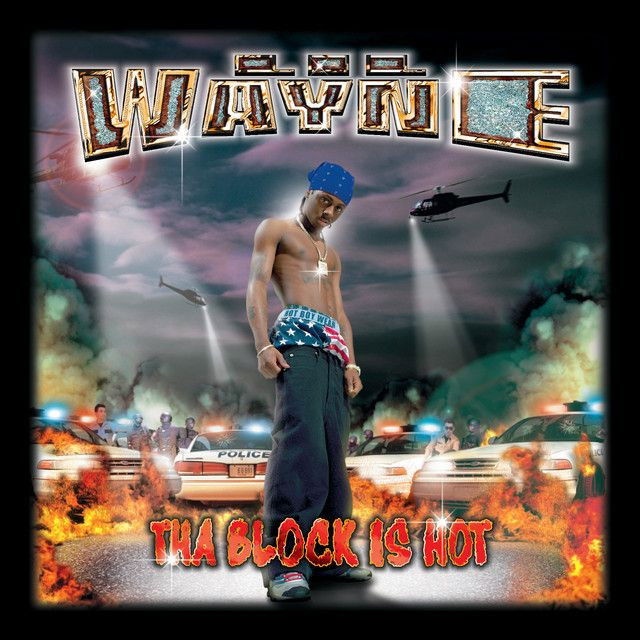
Why Lil Wayne’s ‘Tha Block Is Hot’ Feels So Tense
The meaning of Tha Block Is Hot Lil Wayne starts with pressure. This is not a reflective ballad or a morality tale told from far away. It feels like a live report from a neighborhood where people are always alert, where danger can come from rivals, police, or bad decisions.
"Tha Block Is Hot" - Lil Wayne
Straight off the block, gold nuts in my hand, trustin' no man
Got my Glock cocked, runnin' this thing, ya understand
Loading lyrics...
Unable to load lyrics
We're unable to display the lyrics at this time. Please try again later.
Released as the title track and lead single from Lil Wayne’s 1999 debut album, the song arrived when they were still a teenager and part of Cash Money’s rising New Orleans movement. The album Tha Block Is Hot was released on November 2, 1999, with production led by Mannie Fresh, and it later reached No. 3 on the Billboard 200 and earned platinum certification in the U.S. Those facts matter because the song was both a street portrait and a major commercial introduction to Wayne’s voice.
A Street Anthem That Also Sounds Like a Warning
On the surface, the song is about status, toughness, and neighborhood identity. Wayne describes a block where people stay armed, distrustful, and ready for conflict. Short phrases like trustin' no man
and duckin' the law
make the setting clear fast: this is a place shaped by survival instincts.
But the song is not just bragging. The repeated idea that the block is hot
carries two meanings at once. First, it means the neighborhood is active, dangerous, and full of conflict. Second, it suggests police heat and legal risk. In other words, the block is “hot” because everything is happening there, and because everything there can burn you.
That double meaning is what gives the song its tension. It sounds proud, but it also sounds trapped.
Watch the official Tha Block Is Hot
music video
How the Verses Build the World
Each verse adds details to make the block feel crowded and unstable. They mention drug activity, weapons, lookouts, hiding from authorities, and the constant possibility of violence. The song does not unfold like a neat story with a beginning and end. Instead, it works like a series of snapshots.
That structure matters. Rather than telling one dramatic event, Wayne piles up scenes to show that this is everyday life. A line like where I was raised
ties the chaos to identity. The neighborhood is not just a backdrop. It helped shape the speaker.
Interpretation: This is why the song can sound both loyal and bleak. They represent the block with pride, but they also reveal what that loyalty costs.
The Hook Turns Local Reality Into a Chant
The chorus is simple, but that simplicity is the point. Repetition turns a street condition into an anthem. When the song circles back to the block is hot
, it feels less like one person’s thought and more like a shared reality.
The call-and-response style also makes it feel public, almost like a crowd statement. That fits Cash Money’s late-1990s style, which often emphasized the crew as much as the individual artist. On this track, Wayne is clearly the center, but the record still feels connected to a larger block, a larger label, and a larger local sound.
Mannie Fresh’s Beat Makes the Pressure Physical
A big part of the meaning of Tha Block Is Hot Lil Wayne comes from the production. Mannie Fresh gives the song a hard, stripped-down bounce-rap frame: sharp drums, repetitive rhythmic force, and a beat that feels like it keeps marching forward.
That matters because the instrumental does not offer much relief. It feels circular and relentless, just like the street life in the lyrics. Instead of softening the message, the beat reinforces it. The song sounds hot, not just says it.
Critics have often pointed to Cash Money’s signature in-house sound as a major part of the label’s identity in this era. That context helps explain why the record feels bigger than a single set of lyrics. It places Wayne inside a New Orleans sound world that is raw, catchy, and built for repetition.
A Young Lil Wayne, Already Sharpening His Voice
One of the most interesting things about the song is Wayne’s age. They were only 17 when the album came out, which makes the performance feel even more striking. Reviews from the time and later retrospectives often note their high, young voice and unusual phrasing, traits that would later become central to their style.
On “Tha Block Is Hot,” that youth creates contrast. The voice sounds young, but the subject matter is brutally adult. That gap adds energy and unease. Wayne does not sound like a distant elder explaining street life. They sound like someone still inside it.
Interpretation: This is part of the song’s real power. It captures a teenage artist trying to sound commanding in a world that demands toughness early.
Is the Song Celebrating the Block or Exposing It?
The fairest answer is: both, to a point. The song absolutely contains bravado. It values fearlessness, reputation, and local pride. But it also describes a place where violence, paranoia, and hustle feel normal.
One short phrase, watch your step
, sums that up well. The block is a home, but it is also a hazard zone. Even the pride in the song comes wrapped in threat.
That complexity is why the track lasted. It is catchy enough to work as an anthem, yet vivid enough to function as social texture. Listeners can hear it as a declaration of neighborhood identity, a survival document, or an early star-making performance.
Why the Song Still Matters
“Tha Block Is Hot” remains important because it introduced Lil Wayne not as a polished pop figure, but as a young rapper emerging from a very specific regional scene. It also captured Cash Money’s late-1990s formula at full strength: hard hooks, Mannie Fresh’s production, and lyrics that blur pride with danger.
For anyone asking about the meaning of Tha Block Is Hot Lil Wayne, the best answer is that the song turns one block into a symbol. It stands for heat from every direction: violence, ambition, police pressure, money, and reputation. Wayne makes that world sound thrilling, but never safe.
Disclaimer: This interpretation is based on the lyrics, performance, production, and historical context. As with any song, meaning can vary by listener.







