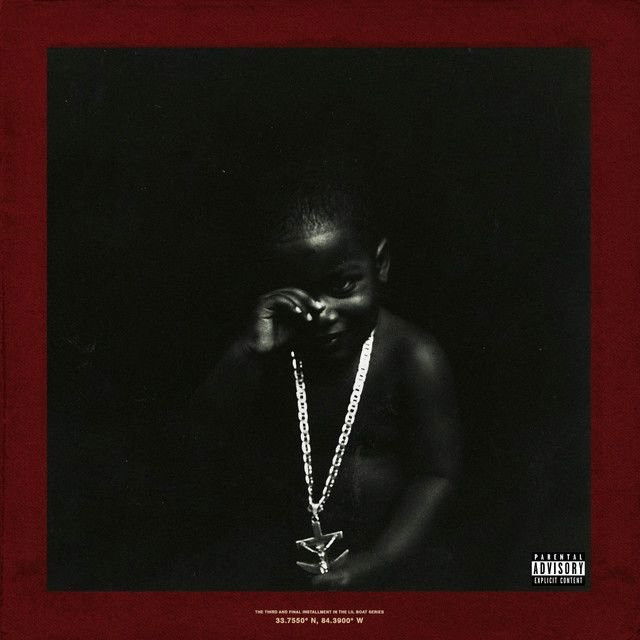
Wock In Stock by Lil Yachty
The meaning of Wock In Stock Lil Yachty starts with excess, but it does not end there. On the surface, this is a hard, boastful rap song about wealth, weapons, women, and status. Under that surface, it also works like a performance of power. Lil Yachty presents a world where safety, identity, and respect all come from having more than everyone else.
"Wock In Stock" - Lil Yachty
Yeah, yeah, yeah
Hey (ayy, Mitch)
Loading lyrics...
Unable to load lyrics
We're unable to display the lyrics at this time. Please try again later.
That matters because Yachty has long been known for being playful and left-field, especially since early breakout moments and his later genre experiments on Let’s Start Here.. “Wock In Stock” shows another lane: cold, direct trap rap where image is everything. The song is less about storytelling than about building an aura.
The Core Message Hides in Plain Sight
At its center, the song argues that success must stay visible. The title phrase is the clearest example. When Yachty says Wock... keep in stock
, he is not simply talking about a substance as something to use. He treats it like inventory, a symbol of surplus. The point is having enough to store, display, and control.
That same idea keeps returning. Cash is not saved; it is moved into investments. Cars are not transportation; they are proof of rank. Even danger becomes part of the image. In this song, abundance is not private. It has to be seen.
Interpretation: the track turns consumer goods into armor. They use luxury to show that they cannot be ignored, doubted, or pushed around.
Watch the official Wock In Stock
music video
Brag Rap With a Sharp Edge
Many rap songs use flexes, but “Wock In Stock” makes those flexes feel aggressive. Yachty pairs wealth talk with threats, and that changes the mood. A line like spent it in a stock
makes him sound financially smart, but another like stick way too big
pushes the song into intimidation.
That mix creates the song’s tension. They are not just rich; they are trying to sound untouchable. The repeated mentions of guns, crews, and people plotting against him suggest a world where status attracts risk. Money brings enemies, so the performance of strength grows even louder.
This is why the bragging can feel almost defensive. Instead of pure celebration, the song often sounds like a warning: do not test them, do not compare yourself, and do not expect weakness.
How the Verses Build a Persona
Rather than unfold a plot, the verses stack details. Each one adds another piece to Yachty’s rap persona:
- luxury cars and watches
- huge amounts of cash
- women framed as status symbols
- rivals dismissed as broke or beneath him
- weapons used as signs of control
A key phrase is I'm good everywhere
. Paraphrased, he is claiming universal respect. That line helps connect the song’s material details to its deeper goal. The real prize is not the car or the jewelry. It is the belief that they can move through any space without fear.
Another line, my sons
, shows how he talks about rivals. He reduces them, talks down to them, and casts himself as the dominant figure. That language matters because the song is obsessed with hierarchy. Everyone must be ranked, and he insists on the top spot.
The Hook Sums Up the Theme
The chorus is simple, repetitive, and effective. It cycles through drugs, money, luxury, violence, and reputation in a tight loop. That repetition mirrors the mindset of the song itself: acquire, display, defend, repeat.
Bought some Wockkeep in stockI'm good everywhere
Those short phrases sketch the whole worldview. First comes possession, then surplus, then social dominance. The hook does not push the song forward narratively. Instead, it locks the listener into Yachty’s status logic.
Sound, Production, and Why It Feels So Cold
The production, credited in the provided context to Brandon Mitchell and Miles Parks McCollum, supports the song’s meaning through force and space. The beat hits hard but leaves room for Yachty’s lines to land like declarations. The low end feels heavy, while the ad-libs and pauses help every boast sound larger.
This is important to the meaning of Wock In Stock Lil Yachty because the beat does not invite emotion in a soft way. It invites confrontation. The instrumental feels skeletal and menacing, which makes the luxury references sound less glamorous and more militarized.
Yachty’s delivery also matters. They rap with blunt confidence, often sounding amused, irritated, and unbothered at once. That emotional flatness gives the song some of its menace. He does not sound excited by wealth; he sounds used to it. That makes the flexes feel routine, and routine power can sound even scarier than dramatic power.
Context in Lil Yachty’s Catalog
Lil Yachty has built a career on unpredictability, moving between melodic rap, internet-era humor, and more experimental work, as covered by Rolling Stone. “Wock In Stock” fits the tougher side of his output, where charisma comes from sharp talk instead of colorful weirdness.
That context helps explain why the song stands out. It is not asking listeners to search for hidden vulnerability. It is asking them to witness command. Even when the lyrics get reckless or crude, the artistic goal seems clear: create a compact statement of dominance.
Final Reading: More Than Empty Flexing?
Interpretation: yes, but only slightly more. The song is still mainly a flex record. It is designed to hit fast, sound tough, and make Yachty seem larger than life. But within that, it also reveals how power in trap music is often shown through stockpiling: stockpiling money, goods, protection, and reputation.
So the meaning of “Wock In Stock” is not just that Lil Yachty has a lot. It is that in this song’s world, having a lot is how they stay safe, feared, and relevant. Wealth becomes language. Possession becomes identity.
That is why the track feels both flashy and tense. It sells the fantasy of abundance, but it also hints that abundance must constantly be defended.
Disclaimer: This interpretation is based on the lyrics, performance, and available context, and other listeners may reasonably hear the song differently.








