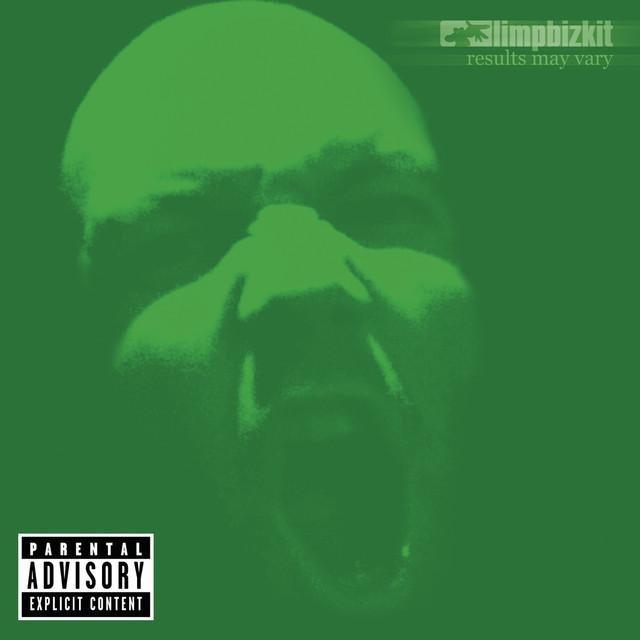
Behind Blue Eyes by Limp Bizkit
A cover about loneliness, not just anger
The meaning of Behind Blue Eyes Limp Bizkit starts with isolation. Their 2003 version keeps the core idea of Pete Townshend’s song: a person who feels judged, misunderstood, and trapped inside their own bitterness. Instead of sounding like a simple confession, the song presents someone asking for empathy while also admitting they are hard to love.
"Behind Blue Eyes" - Limp Bizkit
To be the bad man
To be the sad man
Loading lyrics...
Unable to load lyrics
We're unable to display the lyrics at this time. Please try again later.
Limp Bizkit did not write the original; Pete Townshend wrote it for The Who, and it first appeared in 1971 as part of the larger Lifehouse concept. In that story, Townshend said the song was sung by a villain who believed he had been pushed into that role. That backstory matters because it explains why the lyrics hold pain and menace at the same time. The speaker feels wounded, but they also carry resentment.
In Limp Bizkit’s hands, that conflict becomes more intimate. Fred Durst sings the hurt more directly than aggressively, so the song feels like a private breakdown instead of a dramatic character sketch.

Watch the official Behind Blue Eyes
music video
Where the song came from changes the reading
According to Wikipedia, Townshend originally wrote the song for Lifehouse, and he later explained that it reflected the loneliness of someone with power who still feels cut off from others. Songfacts also summarizes his idea as showing how lonely it is to be powerful. That makes the narrator less like a pure victim and more like someone stuck in a damaging cycle.
For Limp Bizkit, the cover arrived on 2003’s Results May Vary, a period when the band leaned further into melodic alternative rock. That shift is important. They were known for volume, swagger, and confrontation, so covering a song about inner pain changed the frame. It suggested vulnerability from a group many listeners associated with the opposite.
The central emotional split
The key tension is between public image and private pain. The narrator says no one understands what it is like to be the bad man
and the sad man
. In plain terms, they feel seen as dangerous or cruel, while inside they are lonely and damaged.
That split drives the whole song. The title image, behind blue eyes
, suggests a calm or readable surface that hides emotional turmoil. The eyes look open, but the person still feels unseen.
How the verses build the song’s meaning
Each verse adds a layer to the narrator’s psychology:
- First, they claim isolation. Nobody truly knows their suffering.
- Next, they connect that suffering to shame and dishonesty.
- Then, they reveal anger they cannot show openly.
- Finally, they hint at regret and the wish to be believed.
The phrase to be hated
matters because it shows that this is not just sadness. They believe the world has already judged them. That feeds the song’s defensive posture.
Then the chorus moves inward. When the song mentions an empty conscience and lonely hours, it suggests guilt, boredom, and self-examination. The striking line my love is vengeance
gives the darkest clue of all: this person may confuse love, pain, and revenge. They want connection, but they are so hurt that affection comes out twisted.
Interpretation: This is why the song feels tragic rather than purely self-pitying. The narrator knows something is broken inside them, yet they do not fully know how to change.
What Limp Bizkit changes in the message
The Who’s version famously moves from acoustic reflection into a hard rock burst. Limp Bizkit largely avoids that same explosive release. Their arrangement is softer, smoother, and more controlled, with acoustic guitar, a polished vocal, and a modern alt-rock sheen. Wikipedia notes that their version also adds a Speak & Spell moment and replaces the original band’s rock break with extra chorus material.
That production choice changes the emotional effect. The original suggests a storm breaking loose. Limp Bizkit’s version stays bottled up longer, which makes the song feel more inward and numb.
No one knows what it's like
To be mistreated, to be defeated
Behind blue eyes
Those lines capture the song’s basic plea: they want their suffering recognized. But because Limp Bizkit smooths out the harder edges, the focus lands less on rage and more on hurt.
Why the cover divided listeners
The cover was commercially successful, charting strongly in several countries and earning major certifications, even if US reaction was more mixed. It also drew sharply split reviews. Some critics thought the band exposed a new melodic side, while others saw the remake as too polished or emotionally mismatched with the original.
That divided response makes sense. Limp Bizkit’s version asks listeners to accept sincerity from a band whose image often leaned abrasive. For some, that contrast made the song more moving. For others, it felt uneasy.
Sound, voice, and the feeling of confession
Fred Durst’s vocal is central to the cover’s meaning. He does not bark or rap much here. He sings in a subdued way, which makes the words sound like an admission. The acoustic-led arrangement supports that reading by leaving space around the voice.
There is also a useful contrast in texture. The clean production can make the narrator seem emotionally distant, almost frozen. That fits a song about someone who has pain they cannot fully express. Even when the track grows bigger, it never fully erupts. The emotion stays trapped.
Interpretation: In Limp Bizkit’s version, the song becomes less about a villain explaining himself and more about a person trying, imperfectly, to confess damage before it turns into more damage.
The simplest way to understand it
At its core, the meaning of Behind Blue Eyes Limp Bizkit is about hidden suffering, wounded pride, and the danger of turning pain into revenge. The narrator wants to be understood, but they also admit feelings that make understanding difficult.
That is why the song still connects. It speaks to the gap between how people look from the outside and what they carry in private.
Final takeaway
Limp Bizkit’s cover works best when heard as a vulnerable reading of a song about isolation and resentment. It softens The Who’s dramatic arc, but that softness gives the pain a different shape.
This article offers interpretation based on the lyrics, known song history, and recorded performance. As with any song, listeners may hear different meanings in the same lines.