Why 'Break Stuff' Still Hits a Nerve
The meaning of Break Stuff Limp Bizkit starts with a simple idea: some days feel so bad that even minor annoyances seem unbearable. Limp Bizkit turns that feeling into a loud, cartoonishly aggressive release. The song is not subtle, and that is the point.
"Break Stuff" - Limp Bizkit
Everything is fucked, everybody sucks
You don't really know why but you want to justify
Loading lyrics...
Unable to load lyrics
We're unable to display the lyrics at this time. Please try again later.
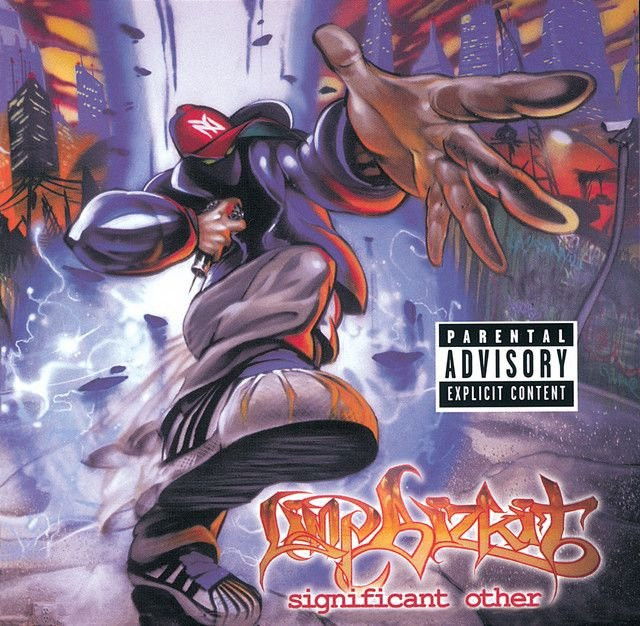
Released as the fourth and final single from Significant Other on May 2, 2000, Break Stuff
became one of the band's defining tracks during the nu metal boom. It was produced by Terry Date and Limp Bizkit, and it helped carry the band's breakthrough era into the next phase of their career. Those release details and credits are widely documented in major reference sources.
A Bad Day Turned Into a Persona
At its core, the song is about emotional overload. The speaker wakes up already angry, feels cut off from other people, and imagines destruction as a way to regain control. When the lyric opens with one of those days
, it frames the whole song as a common human experience pushed to an extreme.
That matters because the track is less about one real event than about a mood. The frustration builds from everyday triggers: noise, conflict, gossip, and people talking too much. The repeated complaint about he says, she says
shows that social drama is part of what pushes the speaker over the edge.
Interpretation: They present rage as both real and performative. The song sounds like an honest outburst, but it also exaggerates that outburst into a recognizable Limp Bizkit character: loud, defensive, and ready to explode.

Watch the official Break Stuff
music video
The Chorus Makes Anger Feel Physical
The hook is what turned the song into a cultural catchphrase. Instead of explaining feelings in detail, it turns them into action. Phrases like give me something to break
and break something tonight
reduce complicated emotion to one blunt impulse.
That simplicity is a big part of the song's power. Listeners do not need a backstory to understand it. They hear pressure, then release.
I feel like shit
keep your distance
right now I'm dangerous
In that short passage, the song does something important: it briefly names vulnerability before returning to threat. The speaker admits feeling awful, then turns that feeling outward. Interpretation: this is why the song lands with so many listeners. Underneath the aggression is a very ordinary feeling of stress, humiliation, and emotional burnout.
How the Lyrics Escalate the Mood
The verses move like a chain reaction. First comes irritation. Then comes isolation. Then comes fantasy.
Lines about avoiding contact suggest a person who knows they are in a bad state and should stay away from others. But instead of calming down, the song raises the stakes with over-the-top images and threats. That exaggeration makes the track feel part confession, part dark joke.
The most famous violent images are so extreme that many listeners hear them as theatrical rather than literal. In other words, the song performs rage in a way that is meant to feel reckless and shocking. Interpretation: it dramatizes the ugly inner voice people may have on their worst day, not a thoughtful moral position.
Why the Sound Matters as Much as the Words
Musically, Break Stuff
is built to feel immediate. The down-tuned guitar riff is thick and repetitive, the rhythm section hits with a stomping bounce, and Fred Durst's vocal sits between rap cadence and shouted command. That mix places the song firmly in nu metal and rap metal territory.
The production keeps things tight instead of overly complex. That choice matters because the song's message is direct, almost primal. The groove does not wander; it circles the same emotional target until it becomes overwhelming.
Wes Borland's guitar tone adds abrasion, while John Otto and Sam Rivers keep the track moving like a machine under pressure. The result is not chaos but controlled impact. That is why the song still works in arenas and festivals: it is easy to chant, easy to feel, and hard to ignore.
Context Changed the Way People Heard It
The song's meaning also depends on context. It came out during Limp Bizkit's commercial peak, when the band was one of the most visible acts in rock. Songfacts notes that it was the final single from Significant Other, while the music video, directed by Fred Durst, got heavy MTV play and won the 2000 MTV Video Music Award for Best Rock Video.
Its legacy is more complicated because of live history. The song was famously associated with Woodstock '99, where violence in the crowd became part of the event's long afterlife. That does not mean the song caused everything people remember from that festival, but it did become tied to public debates about aggression, audience behavior, and the culture around late-1990s rap-rock.
Interpretation: because of that context, some hear the track as a pure release anthem, while others hear it as a symbol of a reckless era in mainstream rock.
Why It Still Connects
Part of the meaning of Break Stuff Limp Bizkit is that it refuses polish. It does not offer wisdom, healing, or closure. It offers recognition. It says that anger can be stupid, embarrassing, childish, and still feel real.
That is why the song has lasted. Critics and fans may disagree on whether it is satire, catharsis, or both. But they often agree on one thing: it captures a specific kind of emotional snap with unusual efficiency.
For some listeners, it is a joke taken seriously. For others, it is serious emotion delivered like a joke. Either way, the song's staying power comes from how clearly it turns frustration into sound.
Final take
"Break Stuff" is best understood as a heightened portrait of a terrible day, where irritation turns into a fantasy of destruction. Its riffs, repetition, and swagger make that mood feel huge.
This article offers interpretation, not a definitive statement of intent. Songs can support more than one meaning, and listeners may hear this one as catharsis, satire, or both.







