
Why "Counterfeit" Still Hits So Hard
Limp Bizkit’s “Counterfeit” is less about one enemy than a whole type of person. The song attacks people who copy style, attitude, and identity instead of building a real self. That is the core meaning of Counterfeit Limp Bizkit: it is a loud rejection of fakery, trend-chasing, and betrayal inside a scene built on authenticity.
"Counterfeit" - Limp Bizkit
You know we figured you out
Freakin' me out you wear a mask called counterfeit
Loading lyrics...
Unable to load lyrics
We're unable to display the lyrics at this time. Please try again later.
Released on the band’s 1997 debut, Three Dollar Bill, Yall$, “Counterfeit” helped introduce Limp Bizkit as confrontational, defensive, and very aware of image. In late-1990s rap-rock, image mattered, but this song argues that some people wear image like a costume. The insult is not just that they are annoying. It is that they are hollow.
The Song’s Main Target Is Fake Identity
At its simplest, the track is a call-out song. The narrator sees someone who has changed themselves to fit in, copy trends, and borrow from other people’s culture. When the chorus centers on the phrase wear a mask
, the idea is clear: this person is hiding who they really are.
That is why the repeated word counterfeit
matters so much. It does not only mean fake in a casual sense. It suggests an imitation passed off as the real thing. The song treats that as both personal and cultural theft.
Interpretation: the track is angry because imitation here is not flattering. It feels invasive. The copied style is presented as dishonest, and the dishonesty spills into friendships, trust, and social identity.
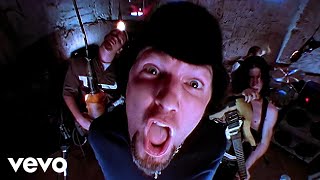
Watch the official Counterfeit
music video
How the Verses Build the Accusation
The first verse starts with a wake-up call. When Durst says smell the concrete
, he is telling the target to face reality instead of fantasy. The song frames this person as someone trapped in an identity crisis, trying on looks and attitudes like outfits.
From there, the accusation gets sharper. The lyrics describe someone chasing whatever is new, trying to fit trends instead of standing for anything. The complaint is not just “they changed.” It is that they changed in a way that feels borrowed, desperate, and performative.
A later section makes the conflict more personal. The narrator says this person copied appearance and then crossed a line with disloyal behavior. In other words, the fake image is tied to fake friendship. That makes the song more than scene-policing. It becomes a betrayal story.
You disregarded your life
You disrespected your friends
You've even stolen your appearance
from hangin' out with my family
This is the article’s clearest moment of direct grievance. The problem is not abstract anymore. The target has taken from the narrator’s world and then turned around and damaged trust.
The Chorus Turns Judgment Into a Crowd Chant
The chorus works because it is simple, repetitive, and direct. Phrases like you know we figured you out
turn private anger into public exposure. The fake person is not only being judged; they are being seen.
That group feeling matters. Limp Bizkit make the chorus sound like a gang verdict rather than a quiet complaint. The repetition almost acts like a stamp of rejection. By the end, the song is less interested in debating the person than in stripping away their act.
Interpretation: this is why the chorus feels so brutal. It offers no path to understanding. It only names the fraud and pushes them outside the circle.
Sound and Production Make the Meaning Physical
“Counterfeit” would not hit the same on paper. Its meaning comes through the band’s attack as much as the words. Wes Borland’s guitar tone is jagged and tense, pushing a sense of threat rather than melody. John Otto’s drums keep the song driving forward, while Sam Rivers’ bass adds weight under the riffs.
Fred Durst’s vocal style also matters. He shifts between rhythmic speech, accusation, and shouted bursts, which helps the song feel unstable and confrontational. That performance makes the listener hear disgust, not just understand it.
The band has often been associated with the rap-metal boom of the era, and “Counterfeit” was part of the early case for that identity, as noted in coverage of Limp Bizkit’s rise by Rolling Stone. The mix of hip-hop cadences and heavy guitars supports the song’s theme: it sounds like a territorial defense of style and selfhood.
Artist Context Matters Here
Limp Bizkit emerged during a moment when alternative music scenes were debating what counted as “real.” That gave “Counterfeit” a wider target than one single rival. The song reflects late-1990s anxiety about authenticity, appropriation, and selling an image.
That context helps explain the song’s aggression. Durst and the band were entering a crowded culture where identity could be marketed fast. “Counterfeit” pushes back hard against that pressure. It says that copying a look or vibe will never create substance.
More Than Anger: What the Song Says About Insecurity
There is also a second layer to the meaning of Counterfeit Limp Bizkit. The song attacks fakes, but it also reveals fear about how easy fakery can spread. The target is mocked as a copy cat
and a clone, yet the sheer intensity suggests real anxiety about being imitated, replaced, or diluted.
Interpretation: beneath the insults, the song may be protecting a fragile idea of identity. If anyone can wear the same signals, then subculture loses its power. The narrator’s rage comes from that threat.
Final Take on “Counterfeit”
In the end, “Counterfeit” is about false identity, stolen style, and broken trust. Its lyrics accuse, but its sound punishes. That mix is why the song still lands: it captures the moment when annoyance with a poser becomes a larger argument about who gets to belong.
For many listeners, that is the lasting meaning of Counterfeit Limp Bizkit. It is not subtle, but it is focused. It turns authenticity into a battle line.
Disclaimer: This interpretation combines the lyrics, the band’s context, and the song’s sound. As with any song, listeners may hear different meanings.








