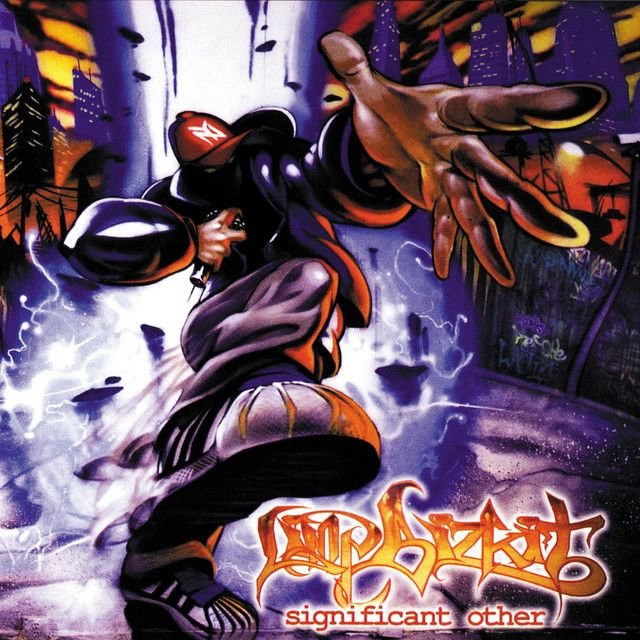
Nobody Like You by Limp Bizkit
The meaning of Nobody Like You Limp Bizkit starts with emotional war. This is not a love song in any simple sense. It sounds more like a confession from someone trapped in a relationship built on pain, obsession, and retaliation. The speaker feels hated, used, and pulled back in anyway.
"Nobody Like You" - Limp Bizkit
You like (you like), you like to see me cry
It's already a proven fact
Loading lyrics...
Unable to load lyrics
We're unable to display the lyrics at this time. Please try again later.
Released on Limp Bizkit's Significant Other, the track also features Jonathan Davis and Scott Weiland, which gives it extra weight. Their presence helps turn the song into a group portrait of damaged attachment rather than a neat breakup story.
A Relationship Built on Hurt
At its core, the song describes a bond where love and destruction are mixed together. Early lines present the speaker as sure the other person enjoys their suffering. When they say you hate me
, the point is not just anger. It is paranoia, wounded pride, and a need to make sense of emotional cruelty.
The song keeps moving between accusation and dependence. The speaker believes this person wants distance, maybe even ruin, yet they still cannot detach. That contradiction matters. It makes the track less about one bad partner and more about the cycle of staying in a harmful connection because pain starts to feel familiar.

Watch the official Nobody Like You
music video
The Push-Pull at the Center
The chorus is where that conflict becomes clearest. The phrases bring me
and take me down
suggest surrender, but not peace. They imply being controlled, dragged under, and somehow still choosing to remain.
Interpretation: this is the language of emotional addiction. The speaker keeps insisting they have a reason to stay, then later admits there may be no reason
at all. That switch is one of the song's smartest moves. It exposes how obsession often survives after logic is gone.
A short lyric moment that sums it up
The song's central spiral is captured in this brief section:
I've got a reason
and I want to know
Those words sound simple, but they reveal confusion. The speaker claims certainty, then immediately searches for it. They do not fully understand their own attachment.
Who Is Speaking, and to Whom?
The voice is first-person and direct. They speak to a specific "you," but the song leaves that figure broad enough to feel symbolic. It could be an ex, a manipulative partner, or even a stand-in for self-destructive desire.
That open target is why the song still works. Listeners can hear romantic betrayal in it, but they can also hear a wider struggle with humiliation, resentment, and dependence. When the speaker says they will wait on you to die
, the line sounds vicious, yet it also shows how deeply the relationship has poisoned them.
How the Song's Sound Deepens the Meaning
Limp Bizkit were a major force in late-1990s rap-rock and nu metal, and this song uses that style well. The guitars are heavy and tense, the rhythm section keeps a stalking momentum, and Fred Durst's vocal approach shifts between bitter clarity and explosive release. That unstable delivery mirrors the song's unstable bond.
The guests matter too. According to the album's credits on AllMusic, Jonathan Davis and Scott Weiland appear on the track. Their voices add texture and personality, making the song feel crowded by emotion, almost like several damaged thoughts are fighting for space at once.
Why the repetition works
The repeated idea of having a reason, then losing it, is not lazy writing. It recreates obsession in real time. People stuck in toxic patterns often repeat the same argument to themselves: there must be a purpose, there must be an answer, there must be one more thing to understand.
By the end, repetition becomes collapse. The song strips away explanation until only anger and attachment remain.
Themes Behind the Rage
Several themes drive the track:
- Toxic attachment: They know the bond is harmful but cannot release it.
- Power struggle: Each person seems to hurt the other to stay in control.
- Self-deception: The speaker claims certainty, then exposes confusion.
- Emotional revenge: Hatred becomes a way to survive humiliation.
These themes explain why the song feels more desperate than triumphant. Even the hardest moments do not sound victorious. They sound stuck.
Two Strong Readings of the Lyrics
Interpretation 1: A destructive romance. This is the most direct reading. The lyrics describe a person who feels used, degraded, and unable to leave. The mix of longing and hostility fits a relationship where intimacy has turned into a weapon.
Interpretation 2: A portrait of inner conflict. The song can also be heard as a fight with the self. In that reading, the hateful "you" is part of the speaker's own mind—the side that invites damage, repeats bad patterns, and refuses closure. The line about having no reason supports that reading because it points to behavior that no longer makes sense even to the person living it.
Why the Song Still Lands
Part of the meaning of Nobody Like You Limp Bizkit is how ugly honesty can sound. The song does not clean up jealousy, fixation, or revenge. Instead, it throws those feelings into a loud, unstable setting and lets the mess stay messy.
That is also why the track stands out on Significant Other. It is not just aggressive. It is confused, needy, and wounded beneath the noise. The speaker wants freedom, but they also want one last answer, one last wound, and one last chance to hold on.
Final Take
In the end, "Nobody Like You" is about being unable to separate love from damage. Its lyrics present a speaker who feels attacked and addicted at the same time, while the music turns that conflict into pressure and chaos.
That combination gives the song its staying power. It captures the moment when anger no longer hides pain, and pain no longer knows how to let go.
Disclaimer: This interpretation is based on the recorded lyrics, performance, and available credits. Like many songs, it can support more than one meaning.







