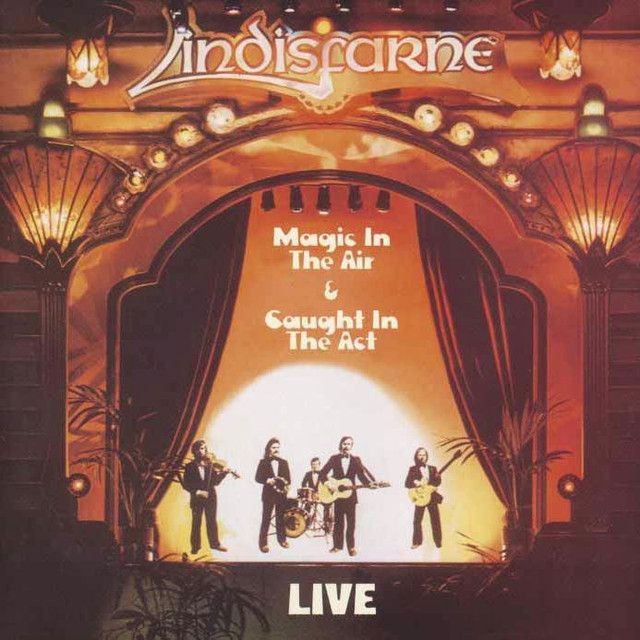
Meet Me On The Corner by Lindisfarne
A gentle song about hope traded in the dark
The meaning of Meet Me On The Corner Lindisfarne starts with a simple but unusual idea: a person goes looking for someone who can offer dreams. In the song, they address a mysterious figure, Mr Dreamseller
, as if hope were something that could be bought, borrowed, or shared.
"Meet Me On The Corner" - Lindisfarne
Tell me, have you dreams I can see?
I came along, just to bring you this song
Loading lyrics...
Unable to load lyrics
We're unable to display the lyrics at this time. Please try again later.
That image gives the whole song its heart. This is not really about money or a street-corner deal. It is about longing for inspiration, comfort, and connection when life feels ordinary or worn down. Rod Clements wrote the song, and it became one of Lindisfarne's best-known tracks from Fog on the Tyne in 1972, according to available reference listings and band discography sources.
Watch the official Meet Me On The Corner
music video
Who the singer seems to be talking to
The narrator comes across as humble and slightly unsure. They say, in effect, that they may be forgotten quickly, but they still reach out. When the song uses a phrase like tugging at your sleeve
, it suggests a quiet plea rather than a grand demand.
That matters because the speaker is not asking for wealth or status. They want vision. They want something to believe in. When they ask, Can you spare one dream for me?
, the request sounds small, but emotionally it is huge. They are asking for a reason to keep going.
The corner is more than a place
The chorus gives the song its most memorable setting: when the lights are coming on
. That moment is neither full day nor full night. It is a threshold, and thresholds often signal change.
Interpretation: the corner may represent a meeting point between reality and imagination. Streetlights turning on can suggest evening, uncertainty, and loneliness, but also warmth and possibility. The promise to meet there makes the song feel like an act of faith.
Meet me on the corner
when the lights are coming on
Even in this short refrain, the song frames hope as something shared in passing spaces: corners, streets, dusk, and the hours before dawn. Those are not glamorous places. They are everyday places transformed by trust.
A small story with a larger theme
The lyric unfolds like a brief street encounter. The narrator approaches a strange, almost magical seller of dreams. They offer a song in return, which hints that art itself may be the currency here.
That exchange is important. The speaker does not just want to receive; they want to participate. They bring music, ask for imagination, and wait for a late-night rendezvous. In other words, the song presents creativity as a two-way act.
A second verse deepens that idea by describing bundles, rags, reminders, and wares spread on the ground. The imagery feels like a street market, but one built from memory and scraps of experience. Interpretation: the dreamseller may stand for any artist who turns hardship into beauty.
How the lyrics connect to bigger ideas
Several themes run through the song:
- Hope: The whole lyric reaches toward a better inner life.
- Art as survival: The speaker offers a song and asks for dreams.
- Human connection: The meeting matters as much as the dream itself.
- Escape: The pair imagine slipping away down empty streets until morning.
That last image is especially telling. The line about disappearing until the dawn
does not feel criminal or reckless. It feels freeing. The song imagines a temporary escape from routine, where two people can exist in a world built from music and belief.
Why the sound makes the message warmer
Lindisfarne were known for blending folk, rock, and singer-songwriter styles, and this track fits that identity well. The arrangement has an easy, welcoming feel rather than heavy drama. Its melodic flow supports the lyric's promise of comfort.
The band came from Newcastle and helped define a distinctly British folk-rock warmth in the early 1970s. In a song like this, acoustic textures and an unforced vocal approach make the dream imagery feel human instead of mystical. The music does not push the listener into fantasy with big effects. It invites them in gently.
That softness matters to the meaning of Meet Me On The Corner Lindisfarne. A harsher arrangement might have made the dreamseller seem threatening or ironic. Instead, the musical setting makes the corner feel safe, almost enchanted by kindness.
Artist context helps explain the song's appeal
Lindisfarne's breakthrough period centered on Fog on the Tyne, the 1972 album that also gave the band major visibility in the UK. Reference sources identify Meet Me On The Corner
as one of the key songs associated with that era. While not every listener will know the band's history, the song makes sense within the early-70s singer-songwriter boom, when thoughtful storytelling and approachable melodies had broad appeal.
Its reception also helps explain its staying power. People return to it because it turns a modest scene into something memorable. There is no complicated plot. There is just a request for shared dreaming, delivered with sincerity.
Two strong ways to read the song
The dreamseller as a real person
Interpretation: one reading is that the narrator meets a wandering street figure, maybe a busker, poet, or outsider, who carries stories and possibilities. The song then becomes a portrait of urban loneliness eased by a brief bond.
The dreamseller as a symbol for artists
Interpretation: another reading is that Mr Dreamseller
stands for songwriters themselves. In that view, the lyric is about what music gives people: not answers, but a little hope, a little escape, and a reason to stay open-hearted.
Why the song still lands today
The meaning of Meet Me On The Corner Lindisfarne still resonates because many people know what it is like to ask quietly for something better. The song treats that need with dignity. It says that dreams are not childish. They are necessary.
Its real achievement is scale. From one meeting on one corner, it creates a larger idea about how people survive disappointment: they trade songs, stories, and faith in each other.
Disclaimer: This interpretation is based on the lyrics, the song's musical style, and available historical context. As with any song, listeners may hear meanings that differ from this reading.







