Why 'Breaking the Habit' Still Hits Hard
The meaning of Breaking the Habit Linkin Park comes down to one painful idea: they capture the moment when a person finally sees their own destructive pattern and tries to stop it.
"Breaking the Habit" - Linkin Park
Provided by LyricFindMemories consume like opening the wound
I'm picking me apart again
You all assume I'm safe here in my roomLoading...Loading lyrics...
Unable to load lyrics
We're unable to display the lyrics at this time. Please try again later.
A Song About the Cycle, Not Just the Pain
When people ask about the meaning of Breaking the Habit Linkin Park, the clearest answer is that the song is about fighting a repeated behavior that feels both familiar and damaging. The narrator is stuck in a loop of memory, guilt, anger, and self-sabotage. They know something is wrong, but they do not fully know how they got there.
That is why the opening feels so immediate. The line about memories coming back like an old wound suggests emotional pain that never fully healed. When they say picking me apart again
, they frame the struggle as self-attack. This is not just sadness. It is active inner damage.
Interpretation: The “habit” can be addiction, self-harm, explosive anger, or any private behavior that keeps hurting the person. The song never locks itself to one single issue, and that flexibility is part of its power.
Watch the official Breaking the Habit
music video
The Voice Inside the Song
The lyrics are written in first person, but the article’s point of view on the song is third person: they present a speaker who feels isolated even when others think they are fine. A key phrase is safe here in my room
. In plain terms, the song shows someone hiding in private while others wrongly assume silence means safety.
That tension matters. The speaker is not only in pain; they feel unseen. They also admit they lash out and speak carelessly, shown in the short phrase say what I don't mean
. This adds another layer: the habit is hurting both themselves and the people around them.
How the Chorus Turns Confusion Into Decision
The chorus is the emotional center of the song. First, it lists confusion: they do not know what matters, why they scream, or why they provoke conflict. Then the hook lands: breaking the habit tonight
.
That promise is important because it is not a happy ending. It is a breaking point. The song does not say recovery is easy or complete. In fact, one version of the chorus says they know it is not alright, while later they admit they may never be alright
. That small shift makes the song more honest. They are not promising instant healing. They are choosing change anyway.
Interpretation: The song’s real drama is not “problem solved.” It is the hard, scary first step toward stopping a destructive loop.
Images of Rooms, Walls, and Wounds
Linkin Park use a few repeated images to show the speaker’s mental state:
- Wounds and memories suggest old trauma reopening.
- The room and locked door suggest secrecy and isolation.
- Walls suggest visible proof of hidden pain.
- Battles suggest inner conflict that feels constant.
The most striking visual arrives near the end:
I'll paint it on the walls
'Cause I'm the one at fault
I'll never fight again
Paraphrased, the speaker wants to make inner guilt visible. They blame themselves and sound exhausted by endless conflict. This is one reason listeners often hear the song as being about self-destructive behavior. Still, the wording is broad enough to support other readings too.
Why the Sound Matters So Much
Part of the meaning of Breaking the Habit Linkin Park comes from how it sounds. According to song background reported by Wikipedia and Songfacts, Mike Shinoda began it as an instrumental idea, later turned into a full song. That history makes sense when they hear the track: it is built on atmosphere first.
Instead of a typical early Linkin Park attack of rap verses and heavy guitar riffs, this song leans on electronic textures, piano, and live strings. Songfacts notes Shinoda pointed to those strings and piano as part of Meteora’s broader sonic palette. Wikipedia also notes the song’s live strings and electronica-influenced opening.
That arrangement shapes the meaning. The strings feel tense and dramatic, almost like panic rising in slow motion. Chester Bennington’s vocal is controlled but fragile, which fits a narrator trying not to fall apart in real time.
Artist Context Makes the Song Hit Even Harder
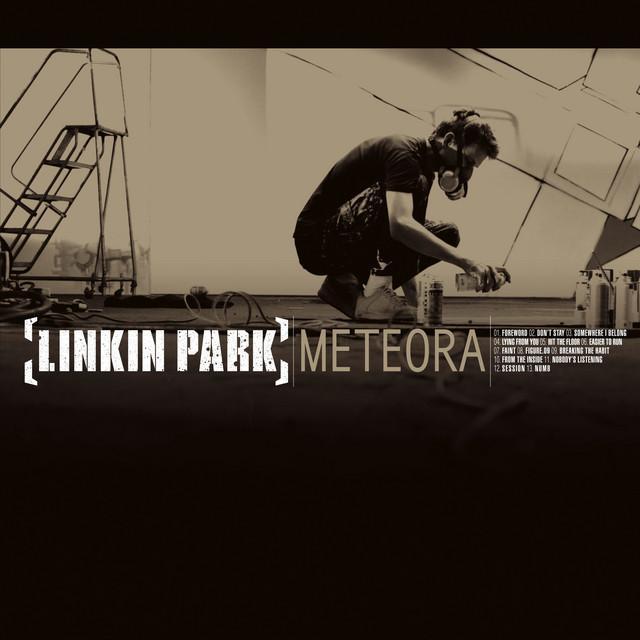
Facts around the song deepen its impact. It appears on Meteora and was released as a single on June 14, 2004, with songwriting credited to Linkin Park and production by Don Gilmore and the band, as documented by Wikipedia. It became a major success, reaching No. 1 on Billboard’s Alternative Airplay and Mainstream Rock charts and No. 20 on the Hot 100, according to Billboard chart records summarized here.
Just as important is the emotional context. Songfacts quotes Mike Shinoda describing it as a song about getting away from the parts of oneself that one does not like. The same source also reports that Chester Bennington was deeply moved by the lyrics because they felt close to his own life.
That does not mean the song should be reduced to one biography. But it helps explain why the performance feels so lived-in.
The Video’s Backward Motion and What It Suggests
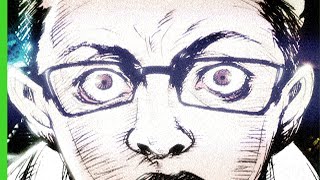
The animated video, directed by Joe Hahn and animated by Gonzo, won the 2004 MTV VMA Viewer's Choice award, according to Wikipedia. Its backward motion, fractured scenes, and distressed characters all echo the song’s core idea: trauma can feel like replay, and change can feel like trying to reverse damage that has already happened.
Interpretation: The video does not “solve” the lyrics. It expands them, showing different faces of crisis and isolation rather than one literal story.
Final Take
The meaning of Breaking the Habit Linkin Park is bigger than one issue. They created a song about recognizing the behavior that keeps causing pain and deciding, however shakily, to stop. Its honesty comes from admitting that clarity does not erase suffering.
That is why the song still lasts. It is not about feeling cured. It is about hearing the exact second when someone decides they cannot keep living the same way.
Disclaimer: This interpretation combines documented artist context with lyrical analysis. Because the song is intentionally open-ended, different listeners may hear different meanings in it.