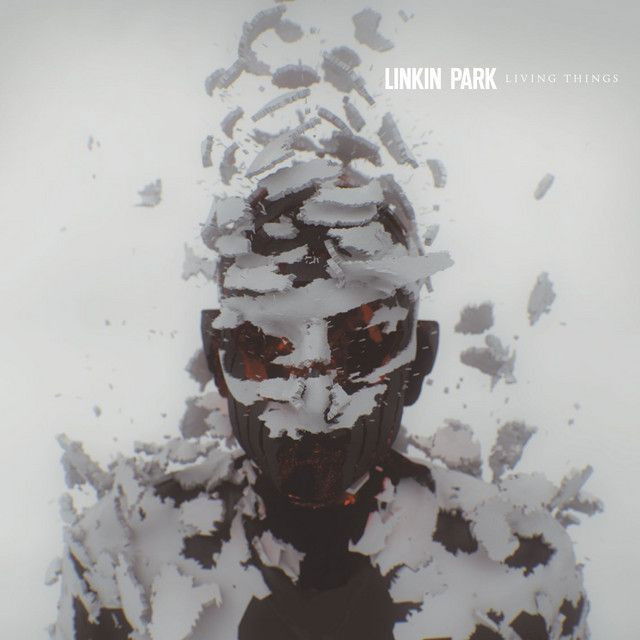
Castle of Glass by Linkin Park
They built a modern rock hymn out of fragility. Castle of Glass takes a small, painful admission—feeling like a flaw—and turns it into a wide-angle look at grief, identity, and repair. If you’re searching for the meaning of Castle of Glass Linkin Park, start with this: the song faces brokenness directly, then asks how to live with it.
"CASTLE OF GLASS" - Linkin Park
Take me down to the fighting end
Wash the poison from off my skin
Loading lyrics...
Unable to load lyrics
We're unable to display the lyrics at this time. Please try again later.
A fragile truth at the center
At its core, the song is about seeing yourself as damaged and still wanting to heal. Across the verses, the narrator asks for guidance and cleansing. Phrases like river bend
and wash the poison
suggest ritual purification, as if pain could be rinsed away. They long to be whole again
, but the request admits a gap between who they are and who they were.
This tension drives the meaning of Castle of Glass Linkin Park: personal grief that won’t vanish on command, paired with a stubborn hope for restoration. The title image—a delicate fortress—captures stature and weakness at once. A castle is grand; glass is breakable. Living between those facts is the song’s emotional work.

Watch the official CASTLE OF GLASS
music video
Voice and journey: from river to sky
The narrator speaks in first person, reaching outward for help. They want to be taken to the fighting end
yet also flown on a silver wing
. Those images pull in opposite directions: toward conflict and toward escape. When they mention the place where sirens sing
, danger and allure mix, hinting that recovery isn’t a straight path.
Read as a simple timeline, the song moves through three beats:
- Seeking cleansing and release (water, river, washing).
- Seeking elevation (flight, stars, a nova’s light).
- Returning to face reality (dreams end; the refrain brings them back).
Each step circles the same need: to be shown how to feel whole, even while cracks remain.
The chorus under the microscope
I’m only a crack in this castle of glass Hardly anything there for you to see For you to see
Here the voice shrinks itself. The metaphor is precise: a crack is not the whole ruin, just a line on the surface. The narrator doesn’t claim to be the castle, or even a pane—only the flaw. That humility carries two edges. On one side, it’s self-erasure, a sign of low self-worth. On the other, it’s honesty: by naming the fracture, they might finally start to repair.
Interpretation: the chorus reframes the verses’ search. The journey isn’t to become unbreakable; it’s to accept the fracture and still find meaning.
Symbols that cut and comfort
- Water and cleansing: The river and washing echo rebirth myths. To
wash the poison
is to purge guilt, anger, or trauma. - Flight and light: A
silver wing
and a nova suggest transcendence and clarity. But flight also implies distance—healing can feel far away. - Sirens: The mention of where
sirens sing
blends beauty and risk. Recovery can tempt relapse; warnings can sound like songs. - Glass castle: Grandeur plus fragility. Public life (or a family system, or a community) can look strong but shatter under stress. A single crack calls attention to the whole structure’s limits.
Interpretation: Taken together, these images point to grief that touches both the self and the larger world around them. The narrator’s wound belongs to a bigger, breakable system.
How sound and context shape meaning
Musically, Castle of Glass is one of Linkin Park’s most direct songs. It leans on acoustic guitar and a steady beat, then layers in electronic textures the band explored on earlier work. The arrangement leaves clean space for Mike Shinoda’s low, measured lead and Chester Bennington’s aching harmony. That restraint matters. By holding back, the track keeps the focus on words like be whole again
and the chorus’s stark confession.
Context deepens the read. Released in 2012 on Living Things and produced by Mike Shinoda with Rick Rubin, the song doubled as a tie-in for the video game Medal of Honor: Warfighter. The official video follows a child whose parent is killed in action, tracing grief, community support, and eventual service. That story widens the metaphor: a “castle” can be a family, a unit, or a nation—strong and glass-like at once. The crack becomes loss that reshapes a life.
This doesn’t lock the meaning to war alone. Rather, the imagery shows how private pain and public duty can collide. The same line that breaks you can also let light in.
Other readings you can hold to the light
- Mental health: The chorus reads like depression’s voice, shrinking the self to a flaw. Seeking to
wash the poison
mirrors therapy, recovery, or detox. - Identity and fame: For artists, a “glass” persona looks solid but is brittle. Admitting you’re a crack challenges the perfect image.
- Family systems: The castle is the home; the crack is a secret, a betrayal, or a grief that everyone must face.
Interpretation: All these views fit because the song speaks in symbols, not specifics. Its power is how comfortably it holds different kinds of loss.
Closing reflection
The meaning of Castle of Glass Linkin Park isn’t that we become unbreakable. It’s that we can be honest about the break and still search for wholeness. The song stands with the listener in that in-between—hurt, humble, and reaching for repair.
Disclaimer: Song interpretations are subjective. This reading blends lyrics, production choices, and public context; your own understanding may differ.









