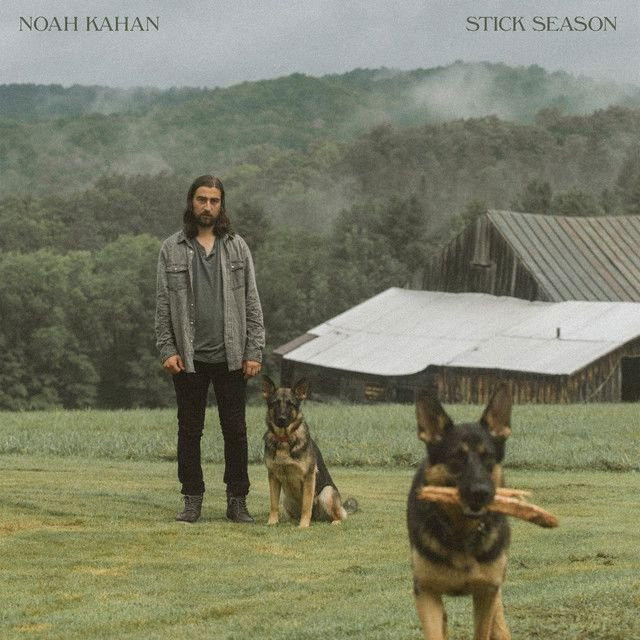
Stick Season by Noah Kahan
If you’re searching for the meaning of Stick Season Noah Kahan, start with the title. “Stick season” is a New England term for the gray weeks between fall colors and winter snow—trees are bare, and the sky feels closer. The song turns that in-between weather into an emotional weather report about heartbreak, home, and the stories people tell to survive both.
"Stick Season" - Noah Kahan
You must have had yourself a change of heart, like halfway through the drive
Because your voice trailed off exactly as you passed my exit sign
Loading lyrics...
Unable to load lyrics
We're unable to display the lyrics at this time. Please try again later.
A Gray Season for a Gray Heart
At its core, the song captures post-breakup limbo. The narrator remembers a relationship that spun off course and the hollow calm that followed. They lean on New England’s bleak shoulder season to explain a different kind of bareness—what’s left after love falls away.
Noah Kahan, who grew up in Vermont, has explained that “stick season” is local shorthand for this dreary window. That context helps the metaphor land: the world looks stripped, so the heart feels stripped, too.
Who’s Talking, and What Broke?
The voice is first person, speaking to an absent partner and to themselves. Early lines sketch a collapsing connection during a long drive, and a missed exit becomes a missed future. The narrator notices their own patterns, admitting they play the victim
even as they name a partner’s change of heart
.
Interpretation: The confession is key. They are not perfectly wronged; they’re complicit. That balanced view makes the grief more convincing—and more painful.
From Drive-By Goodbye to Holiday Loneliness
The timeline moves from the breakup to the frozen weeks before Christmas. They bump into the ex’s mom in town and feel erased. They drink and wait for friends to come home, a ritual in many small towns when school and work scatter people the rest of the year.
COVID gets a nod as a travel blocker, which anchors the song in recent memory. The result is claustrophobia: can’t leave, can’t move on, can’t stop remembering. The image of tire tracks and one pair of shoes
reduces a life together to leftovers in the snow.
Why the Chorus Stings
The hook circles back to place as a mirror for feeling. Calling it the season of the sticks
says, “This is what my heart looks like.” The refrain also resets blame and wishful thinking. They keep dreaming of a version of their ex that they “did not lose,” even as they accept there’s nothing to hold onto.
Interpretation: The chorus is a tug-of-war between denial and acceptance. They feel split in half
, but they also say “that’ll have to do”—a resigned compromise with pain.
Symbols Only New England Knows
- Weather: Rain triggers memories, turning forecasts into flashbacks.
- Roads and signs: A missed exit becomes a metaphor for the moment the relationship veered away.
- Family and town: Seeing the ex’s mother adds small-town sting—everyone knows everyone, and silence can be the loudest message.
- Holidays: Waiting for friends at Christmas frames loneliness against communal warmth.
- Inheritance: They try to “pile something good” over darkness from their dad, hinting at cycles they fear repeating.
Each image fits the title’s season: exposed, unpretty, honest.
Production Choices That Mirror the Weather
The arrangement leans on strummed acoustic guitar, steady drums, and bright, singable melodies. It starts intimate, almost conversational, then opens up with more percussion and stacked vocals. That build mimics a mind revving late at night—quiet recollection swelling into a room-filling chorus.
Interpretation: The upbeat tempo is a coping mechanism. The propulsive groove keeps the narrator moving forward even as the lyrics look backward. It’s the sound of “keep going” while you’re still hurting.
What the Phrase Really Means in New England
Understanding the regional term clarifies the emotional frame. Stick season is the moment when the show is over and real life—mud, wind, and early dark—moves in. The narrator’s inner world matches that scenery. Even the line you once called me forever
underlines how long the winter can feel when promises melt.
For listeners outside the Northeast, the phrase becomes a tidy metaphor for any in-between: after the breakup but before the healing; after the dream but before a new plan.
Other Ways to Read It
- Interpretation: Seasonal depression. The song can describe mood shifts tied to light and weather, with heartbreak as a spark rather than the cause.
- Interpretation: A small-town push-pull. Love leaves, but the place stays. Home comforts and traps at once.
Both readings fit because the writing anchors in detail but leaves space for the listener’s story.
Takeaway: What Lingers After the Leaves
The meaning of Stick Season Noah Kahan is a portrait of the in-between—honest, unsentimental, and oddly hopeful. It says you can be torn and still keep moving. You might not get neat closure, but you can name the weather inside you and survive it.
Disclaimer: Lyric interpretations are subjective; only the artist can confirm intent.








