Why 'Lost in the Echo' Still Hits Hard
For anyone searching for the meaning of Lost in the Echo Linkin Park, the core idea is clear: this is a song about betrayal, emotional fallout, and finally choosing self-respect over attachment. It sounds like a breakup song on the surface, but its language is wide enough to fit broken friendships, family conflict, or any relationship where trust collapsed.
"Lost in the Echo" - Linkin Park
You were that foundation
Never gonna be another one, no
Loading lyrics...
Unable to load lyrics
We're unable to display the lyrics at this time. Please try again later.
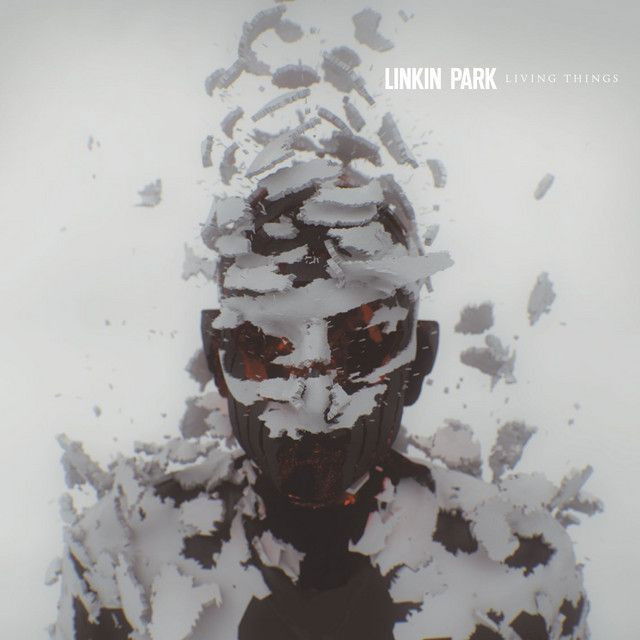
Released on Living Things in 2012, the track also mattered to the band itself. It opened the album and helped define its mix of electronics, rap-rock, and heavy guitar energy, according to reporting gathered by Songfacts and Wikipedia.
A Breakup Song, but Bigger Than Romance
The emotional setup is simple. The speaker once saw someone as a base of support, almost like a personal anchor. Then that trust turns into harm. Early lines describe dependence, shock, and the awful moment when the truth becomes impossible to ignore.
That is why the first verse moves from devotion to emptiness so fast. Phrases like that foundation
and promises broken
frame the song as a story of trust that has been damaged beyond repair. The pain is real, but the song refuses to stay there.
Interpretation: The most important shift is not the betrayal itself. It is the realization that the speaker does not need the other person anymore. That makes the song less about loss and more about recovering control.

Watch the official Lost in the Echo
music video
When Words Stop Meaning Anything
The title and chorus carry the song's deepest image. In the hook, words are no longer useful because they get lost in the echo
. In plain terms, promises have been repeated so many times that they become noise.
That image matters because Linkin Park are not just saying someone lied once. They are describing a cycle: promises, disappointment, repeated excuses, then emotional numbness. By the time the chorus lands, the speaker can already see through the next excuse, which is why one last lie
feels like the final straw.
Each word gets lost in the echo
This time I finally let you go
This is the song's emotional payoff. The speaker is no longer arguing, begging, or trying to fix the relationship. They are done.
Mike and Chester Split the Feeling in Two
One reason the song works so well is its vocal structure. Mike Shinoda's rap verses sound controlled, sharp, and defensive. Chester Bennington's sung sections open up the emotional wound underneath. Together, they turn one breakup into two experiences at once: thinking through the damage and feeling it.
That contrast was a classic Linkin Park strength, and critics noticed it. Coverage summarized on Wikipedia highlighted the vocal interplay, while Songfacts connected the lyrics to personal struggles rather than political commentary.
Interpretation: Mike's delivery sounds like someone rebuilding armor. Chester's chorus sounds like someone who has finally accepted the pain. The combination makes the song feel both wounded and powerful.
The Sound Mirrors the Message
Musically, "Lost in the Echo" bridges eras of the band. It starts with bright electronic motion, then pushes into heavy guitars and drums. Billboard, as quoted in the research collected on Wikipedia, praised its "bubbling synthesizers" shifting into harder rock textures.
That design fits the meaning closely:
- The electronics create a tense, unsettled mood.
- The beat gives the verses a forward drive, like momentum after shock.
- The guitars make the release feel physical, not just emotional.
- The repeated
go, go, go
turns letting go into an action.
Mike Shinoda said the song was a defining moment for Living Things, because it helped the band reconnect their early heaviness with newer experimentation, as reported by Songfacts. That context matters: the song is about reclaiming identity, and the band was doing a version of that musically too.
The Video Turns Memory Into Baggage
The official interactive video pushed the theme even further. Directed by Jason Zada and Jason Nickel, it used Facebook Connect to pull viewers' own photos into the story, creating a personalized version of memory and loss, according to Wikipedia.
Shinoda explained the idea briefly: the song is about finding the baggage weighing someone down and letting it go, as quoted by Songfacts. That makes the video more than a gimmick. It literalizes the song's message by showing how personal history can trap people if they keep feeding it.
Interpretation: The video suggests that an "echo" is not just another person's lie. It can also be their lingering presence in memory.
So What Is the Song Really Saying?
At its heart, the meaning of Lost in the Echo Linkin Park comes down to a hard but healthy decision. Someone who once had power over the speaker no longer does. The song begins with dependence, passes through betrayal, and ends in release.
That is why lines about holding oneself up and refusing to back down matter so much. They are not simple bragging. They are survival language. The speaker has learned that strength sometimes means walking away.
Final Take
"Lost in the Echo" endures because it turns a common experience into something forceful and memorable. It understands how broken trust keeps repeating in the mind, then answers that loop with a clean break.
That is the song's final gift: not revenge, not closure from the other person, but the freedom to stop listening.
Disclaimer: This interpretation is based on the lyrics, band commentary, and public reporting. Like many Linkin Park songs, it can support more than one personal reading.








