Why 'Lying from You' Hits So Hard
For many listeners, the meaning of Lying from You Linkin Park comes down to one painful idea: a person feels trapped inside a role they never wanted, so they push someone away before that person can fully see them. It is a song about self-protection, shame, and rebellion, but it is also about the damage that comes from pretending.
"Lying from You" - Linkin Park
I look exactly like what you had always wanted to see
When I pretend I can forget about the criminal I am
Loading lyrics...
Unable to load lyrics
We're unable to display the lyrics at this time. Please try again later.
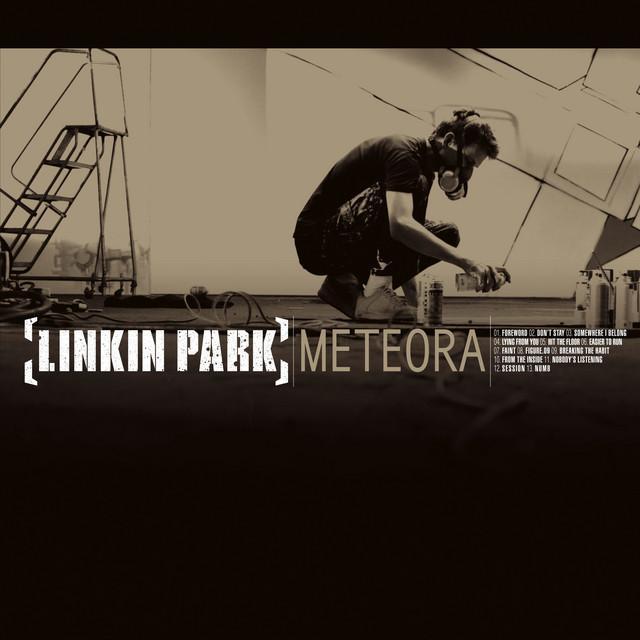
Released as an airplay single from Meteora in 2004, the track became a major rock radio hit. According to Wikipedia, it reached No. 1 on Billboard's Alternative Airplay chart. That success makes sense. The song turns a deeply personal crisis into something loud, sharp, and easy to feel.
The Core Meaning Beneath the Anger
At its heart, the song describes someone who has been acting like the person others expect. In the verses, they admit to pretending and bending reality. When the lyric says bend the truth
, the idea is not simple dishonesty for fun. It suggests survival through performance.
They are not lying just to deceive. They are lying because they feel cornered. The title phrase lying my way from you
suggests a person using falsehood and emotional distance to force separation. In plain terms, they would rather ruin the connection than stay trapped inside it.
Interpretation: This makes the song less about villainy and more about panic. The speaker seems to believe that being known honestly might be unbearable, so they choose sabotage instead.

Watch the official Lying from You
music video
Pressure, Identity, and the Fear of Becoming Someone Else
One of the strongest themes is social pressure. The song remembers being taught who they were supposed to be. The line about who I ought to be
points to family, authority, school, or relationships that define a person before they can define themselves.
That pressure leads to a fake self. The speaker says they created a version that was good at fitting in. This idea connects to a recurring Linkin Park theme from the Meteora era: the split between inner pain and outer image. They often wrote about emotional strain, disconnection, and the need to break out of control.
The most cutting moment is the confession the very worst part of you is me
. Paraphrased, the speaker feels shaped by another person's flaws or expectations. Instead of seeing themselves as fully separate, they feel contaminated by the relationship.
Interpretation: That line can mean two things at once:
- They have absorbed someone else's damaging behavior.
- They blame themselves for becoming a distorted reflection of that person.
That ambiguity gives the song its emotional power.
How the Chorus Turns Pain Into Defiance
The chorus sounds like a breakup with control itself. The repeated wish to be left alone is not calm or gentle. It is desperate. When they ask to be pushed away and allowed to go, the point is clear: isolation feels safer than living under someone else's influence.
I want to be pushed aside so let me go
Let me take back my life
I'd rather be all alone
Anywhere on my own
This is the song's emotional center. The speaker does not present loneliness as healthy or joyful. They present it as freedom's rough substitute. If closeness requires a mask, then being alone feels more honest.
That is a key part of the meaning of Lying from You Linkin Park. The song is not celebrating alienation. It is saying alienation can feel like the only path back to the self.
The Sound Matches the Message
The production helps tell the story. The track was produced by Don Gilmore and Linkin Park, and it opens with a tense keyboard figure that has been described as viola-like in texture. There is also a sampled car burnout, which gives the song an instant feeling of motion and escape.
Then everything crashes in. Brad Delson's guitar is tight and heavy, Rob Bourdon's drums hit with speed, and Joe Hahn's turntable work adds friction. Mike Shinoda's rap delivery sounds controlled and clipped, while Chester Bennington's vocal explodes with strain.
That contrast matters. Shinoda often sounds like the voice explaining the trap, while Bennington sounds like the body trying to break out of it. In a 2003 ShoutWeb interview cited by Wikipedia, Mike Shinoda said the song is about pushing someone away, even through behavior that makes the other person not want to stay. That comment strongly supports the reading that the song is about subconscious self-sabotage in relationships.
A Relationship Song, but Not Only That
On the surface, the song can be heard as a conflict between two people. One person feels judged, controlled, or misunderstood, and they respond by pulling away. That reading is fully supported by the lyrics.
But there is another layer. The “you” may also stand for a larger system: parents, peers, fame, culture, or any force that rewards conformity. In that reading, the song becomes an identity crisis set to nu metal. The lies are not only told to a lover or friend. They are part of a long habit of performing a false self.
Because Linkin Park built the track from both rap-rock precision and emotional hard-rock force, the song holds both readings at once. It can be intimate and broad, personal and social.
Why the Song Still Connects
The song endures because many listeners know what it feels like to act okay while feeling split inside. They may not relate to every detail, but they understand the urge to run from expectations and reclaim control.
Its success on rock radio was not just about aggression. It was about recognition. Beneath the volume, the song describes a common fear: if they keep pretending long enough, they may lose track of who they really are.
In that sense, “Lying from You” is a song about escape, but also about honesty. They push someone away because they can no longer survive as the version of themselves that relationship demands.
Disclaimer: This interpretation is based on the lyrics, confirmed release context, and brief artist comments. Like many Linkin Park songs, it remains open to more than one valid reading.