Why 'Waiting for the End' Still Hits So Hard
The meaning of Waiting for the End Linkin Park comes down to a painful but hopeful idea: endings do not arrive in one clean moment. They happen in stages, with fear, confusion, memory, and finally a choice to begin again.
"Waiting for the End" - Linkin Park
This is not the beginning
Just a voice like a riot
Loading lyrics...
Unable to load lyrics
We're unable to display the lyrics at this time. Please try again later.
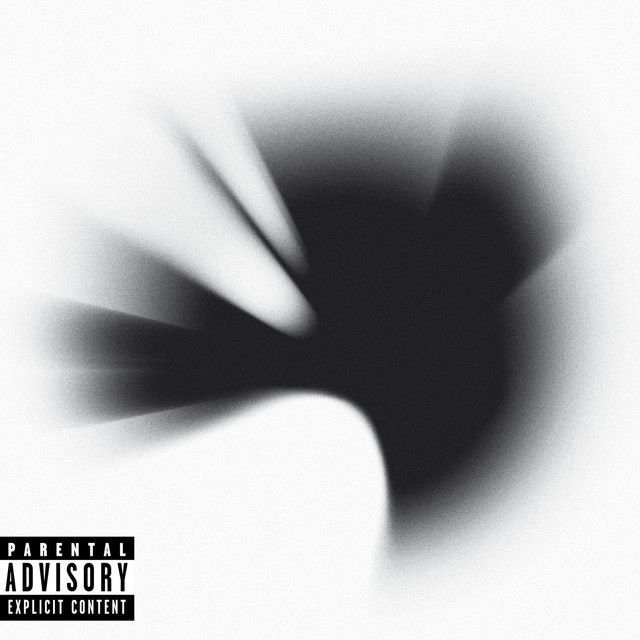
Released in 2010 on A Thousand Suns, the song stood out right away. It traded the band's older heavy attack for a lighter, more layered sound with reggae-leaning rap verses, electronic textures, and a huge melodic chorus. That shift matters, because the music itself mirrors the song's message: life feels unstable, but movement is still possible.
The Heart of the Song: An Ending That Is Also a Start
At its core, the song is about someone trapped between what used to be and what comes next. They are not fully in the past, but they are not free of it either. The chorus says that plainly through phrases like waiting for the end
and out of my control
, which frame the speaker as worn down and emotionally stuck.
But Linkin Park do not present that feeling as pure defeat. The song keeps pushing toward change. The key line is the idea that the hardest part of ending
is starting over. In plain terms, they suggest that letting go is scary not because people love pain, but because new life asks for risk.

Watch the official Waiting for the End
music video
A Mind in Conflict, Not a Simple Breakup Song
The lyrics can fit a breakup, but they reach wider than that. The speaker sounds like someone dealing with any major loss: a relationship, an old identity, a failed plan, or a season of life that cannot continue.
That wider meaning comes from the way the song talks about inner chaos. Thoughts move too fast, words go unsaid, and the room feels emotionally empty. When the song mentions an empty room
, it is less about furniture than isolation. They show a person alone with memory, trying and failing to silence it.
Interpretation: Many listeners hear grief in the song, not only romance. That reading makes sense because the words focus on disorientation, regret, and the struggle to rebuild the self after loss.
How the Opening Sets the Theme
The first lines are important because they reject easy drama. The song begins with the idea that this is not the end
. That sounds comforting at first, but the next thought undercuts any peace. They are not at a clean beginning either. Instead, they are in a messy middle.
That in-between state explains almost everything that follows. Even public confidence feels hollow. The song describes loud energy, raised fists, and a strong outer surface, but then hints that something is missing underneath.
This is not the end
This is not the beginning
Just a voice like a riot
Rocking every revision
In context, those lines suggest emotional noise rather than clarity. The speaker is surrounded by motion, but motion alone does not equal healing.
Why the Chorus Lands So Deeply
Linkin Park were always good at writing choruses that sound universal, and this is one of their best. The hook works because it mixes confession with momentum. They admit weakness, unfinished feelings, and lost control, yet the melody rises instead of collapsing.
That tension gives the song its staying power. Chester Bennington sings the chorus with strain and lift at the same time, so the listener hears both pain and effort. They are not healed. They are trying.
This is also where the meaning of Waiting for the End Linkin Park becomes most clear. The title sounds passive, but the song is really about the moment when passivity no longer works. Waiting hurts. At some point, the person has to move.
The Sound Tells the Story Too
The production is a huge part of the meaning. According to the song's release information, it was produced by Mike Shinoda and Rick Rubin and became one of the defining singles from the album. Its arrangement uses minimal distorted guitar, a reggae-style vocal flow from Mike Shinoda, electronic layers, and a gradual build that turns private anxiety into a communal release.
That blend matters. Shinoda's verses feel conversational and grounded, almost like thinking out loud. Bennington's sung sections feel exposed and emotional. Together, they create two sides of recovery: analysis and feeling.
Critics noticed that difference at the time. MTV called it something unlike the band's earlier work, and the song's slow rise on radio showed that audiences needed time to absorb it. In a brief MTV interview, Bennington said listeners had to let the music "marinate." That fits the song perfectly. It is about emotional processing, and it also demanded processing from its audience.
A Thousand Suns Context Changes the Reading
The song gains extra meaning inside A Thousand Suns, an album obsessed with fear, collapse, technology, and human survival. In that setting, this track feels both personal and cultural.
Joe Hahn described the music video as a digital experiment about finding humanity inside modern chaos. That idea sharpens the song's imagery. Loud rhythms, broken focus, and inner emptiness can be heard not just as one person's crisis, but as a picture of overload in modern life.
Interpretation: In album context, the song may be about learning to stay human while everything feels unstable, fast, and unreal.
Why It Endures
“Waiting for the End” reached No. 1 on Billboard's Alternative chart and later became one of the band's most loved songs. Mike Shinoda has even called it a favorite in the Linkin Park catalog. That lasting power comes from balance.
They do not promise a miracle. They do not deny pain. Instead, they describe the brutal middle ground between loss and renewal with unusual honesty. The song understands that people often cling to what is gone, even when they know it is gone.
In the end, Linkin Park turn that struggle into a message of resilience. Starting again is frightening, but it is still a form of hope.
Disclaimer: This interpretation is based on the lyrics, official song context, and public comments from the band. Like most art, the song can support more than one valid reading.







