Why 'What I've Done' Still Hits So Hard
The meaning of What I've Done Linkin Park comes down to a simple but heavy idea: they turn guilt into a search for mercy. The song is not about making excuses. It is about owning the past, facing the self honestly, and trying to begin again.
"What I've Done" - Linkin Park
There's no blood, there's no alibi
'Cause I've drawn regret
Loading lyrics...
Unable to load lyrics
We're unable to display the lyrics at this time. Please try again later.
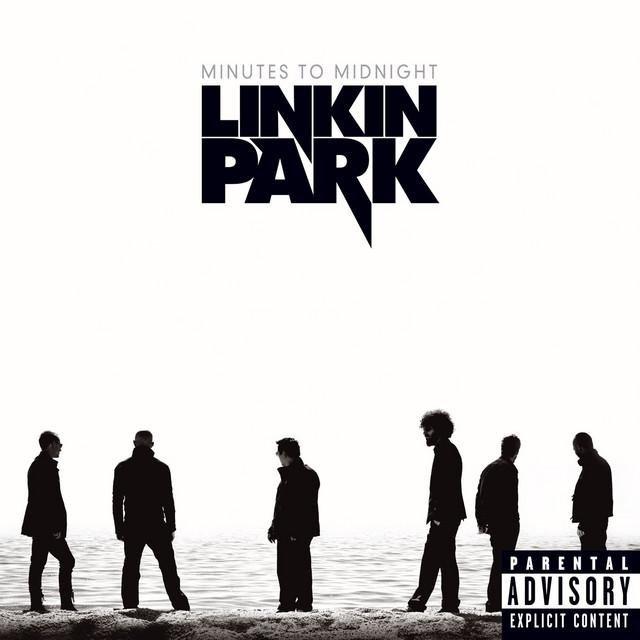
Released in 2007 as the lead single from Minutes to Midnight, the track signaled a major shift for Linkin Park into a broader alternative rock sound. It was written by Brad Delson, Chester Bennington, Dave Farrell, Joe Hahn, Mike Shinoda, and Rob Bourdon, and produced by Mike Shinoda and Rick Rubin, according to the album credits and band materials (Warner Records, AllMusic). That context matters, because the song sounds like a reset while singing about one.
A Confession Without Excuses
At its core, the song speaks in first person, but its emotion feels universal. The opening admits there is no cover story and no clean defense. When the lyric says no blood, no alibi
, it suggests guilt without courtroom drama. The speaker is not saying they are innocent; they are saying they cannot hide.
A second key phrase, a thousand lies
, deepens that idea. The regret in the song seems to come not from one mistake but from a long chain of denial, compromise, or self-deception. That is why the emotion lands so hard. They are not grieving a single bad moment. They are confronting a pattern.
Interpretation: This is why the song connects with so many listeners. It leaves room for different kinds of wrongdoing: hurting someone, losing their values, or waking up to the damage they helped create.

Watch the official What I've Done
music video
The Chorus Turns Shame Into Action
The chorus is where the song’s real power lives. The speaker does not stay trapped in confession. They move toward confrontation and release. In the line I'll face myself
, the hardest enemy is not another person. It is the self they have become.
That leads to one of the song’s most striking ideas: starting over may require more than saying sorry. The lyric erase myself
sounds extreme, but it is really about rejecting an old identity. They want to strip away the version of themselves built from bad choices.
Later, the message shifts from punishment to healing. The phrase forgiving what I've done
matters because the song does not end with self-hate. It ends with a difficult kind of mercy. That balance between judgment and grace is the heart of the song.
Clean Slate, Uncertain Future
The verses use a few simple images to show emotional change. They talk about washing away guilt and cleaning the slate. Those are not flashy metaphors, but they are effective because they point to renewal.
Here is the only brief multi-line quote needed to show that turning point:
I start again
Today this ends
Those lines frame the song’s timeline. First comes confession. Then comes a choice. Finally, there is a promise to stop carrying the old cycle forward.
Interpretation: The important detail is that the future is not certain. The song mentions uncertainty, which keeps the message honest. Renewal is possible, but not easy or guaranteed.
How the Sound Carries the Meaning
Part of the meaning of What I've Done Linkin Park comes from its arrangement. The piano opening feels bare and exposed, almost like a private admission before the full band enters. Then the guitars and drums rise in a controlled, anthemic way. It sounds like inner reckoning turning into public declaration.
That style fit the band’s transition on Minutes to Midnight. Working with producer Rick Rubin, Linkin Park pulled back from the denser nu-metal and rap-rock blend of their early releases and leaned into a more open rock structure (Rolling Stone, Billboard). The cleaner production gives the song more emotional space.
Chester Bennington’s vocal is also crucial. He sings with strain and clarity at the same time. That mix makes the song feel sincere rather than theatrical. He sounds like someone trying to survive their own honesty.
Personal Guilt or Bigger Human Failure?
On one level, the song clearly works as a personal confession. A listener can hear it as someone reckoning with private mistakes and trying to change.
But there is also a wider reading. The music video famously ties the song to images of war, environmental destruction, hunger, and political violence (MTV, YouTube). That does not force one exact meaning, but it does widen the frame. The “what” in the title can sound personal, collective, or both.
Interpretation: In that broader reading, the song becomes a statement about human damage. The request for mercy is not just individual. It becomes moral and social.
Why the Song Endures
The reason this song lasts is simple: it understands that regret alone is not enough. People want a path through regret. This song offers one. Admit the truth. Face the self. Accept pain. Try again.
That is why the meaning of What I've Done Linkin Park still resonates in the United States and beyond. It is dramatic, but it is also direct. It gives listeners a language for shame, accountability, and the hard work of change.
Disclaimer: This interpretation is based on the lyrics, the song’s production, and public context. Like most songs, it can support more than one valid reading.







