Why Lit’s “Miserable” Turns Desire Into a Trap
Lit’s “Miserable” sounds bright, catchy, and reckless. That is exactly why the song works so well. On the surface, it feels like a late-’90s alt-rock hit built for loud singalongs. Underneath, the meaning of Miserable Lit is much darker: it is about craving something so intensely that getting it does not save them at all.
"Miserable" - Lit
You make me complete
You make me completely miserable
Loading lyrics...
Unable to load lyrics
We're unable to display the lyrics at this time. Please try again later.
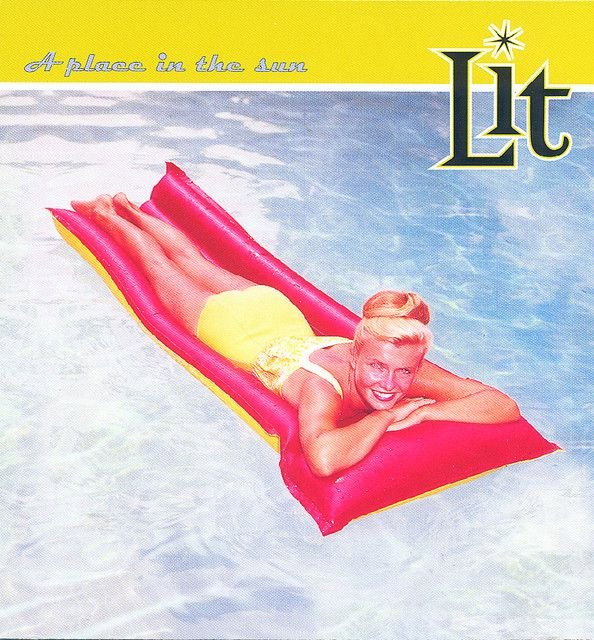
Released in 1999 as the third single from A Place in the Sun, the song became one of Lit’s best-known follow-ups to “My Own Worst Enemy.” It reached No. 3 on Billboard’s Alternative Airplay chart, which shows how well its bitter hook connected with rock radio listeners.
The Hook Hides the Real Problem
The center of the song is a sharp emotional turn. It starts with desire, moves into wholeness, and then collapses into pain. That progression is captured in the famous line sequence ending with completely miserable
. They present need as something that first feels thrilling, then feels essential, and finally becomes damaging.
That shift is the key to the song’s meaning. The speaker is not simply complaining about a bad romance. They are describing dependence. The object of desire seems to complete their life, but it also strips away balance, freedom, and self-control.
Interpretation: Many listeners hear the song as toxic love, and that reading makes sense. But the lyrics also leave room for a broader target: anything that becomes a habit they cannot manage.
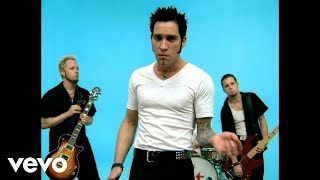
Watch the official Miserable
music video
What A. Jay Popoff Said It Means
There is strong artist context here. According to a brief quote attributed to A. Jay Popoff in Billboard and repeated by Songfacts, the song is about needing something badly and then feeling awful once they have it. He also said some people hear it as a person, but it can also be about addiction.
That comment matters because it explains the song’s double meaning. The “you” in the lyrics can be a lover, but it can also stand in for a substance, a rush, or a destructive pattern. The words are simple enough to fit either reading.
The Narrator Sounds Hooked, Not Heartbroken
Several details push the song beyond ordinary breakup territory. The speaker says they have used up all of my friends
, which suggests isolation and obsession. Their social life has shrunk because one thing now means everything.
They also admit to being stuck to a chair
, watching events fly by. That image makes them sound passive and detached, as if life is happening around them while they remain frozen inside their fixation.
Another line about giving up plans shows the same pattern. They no longer act with purpose. Instead, they orbit around the thing they want. This is why the chorus lands so hard: misery is not just emotional pain. It is the loss of agency.
Small Images, Big Themes
Lit do not use fancy metaphors here. The song relies on a few blunt images that repeat the same emotional truth.
Isolation and surrender
When the speaker says who needs them
, they brush off friends and other commitments. That sounds confident at first, but it is really a warning sign. The more they commit to the obsession, the less room there is for anyone else.
Fear turned attractive
The line I love the things that we should fear
is one of the song’s smartest ideas. It captures the thrill of chasing what they know is bad for them. The danger is not hidden; the danger is part of the appeal.
You make me complete
You make me completely miserable
Those two short lines summarize the whole conflict. What promises completion also creates suffering.
Why the Music Makes the Message Hit Harder
Part of the genius of “Miserable” is that it does not sound miserable in a slow or gloomy way. It runs on crunchy guitars, a tight rhythm section, and a polished late-’90s alternative rock mix. The production, credited to Don Gilmore and Lit, keeps the song moving with radio-ready force.
That energetic sound creates tension with the lyrics. The track feels fun, even as the words describe emotional collapse. This mismatch mirrors the song’s theme: destructive desire often arrives dressed as pleasure.
A. Jay Popoff’s vocal delivery helps too. He does not sing the hook like a victim whispering defeat. He sounds energized, almost thrilled by the chaos. That gives the song its edge. They are not calmly reflecting on damage; they are still inside it.
The Pamela Anderson Video Fits the Song’s Logic
The music video pushed the song’s exaggeration into pop culture. Directed by Evan Bernard and released in early 2000, it features Pamela Anderson as a giant woman looming over the band. The image is comic, flashy, and a little dangerous.
That concept matches the lyrics better than it first appears. The band members are tiny beside an oversized fantasy figure, which turns desire into something literally overpowering. In the video, attraction is playful but threatening. That is basically the song in visual form.
One Song, Two Strong Readings
The meaning of Miserable Lit works because it supports two convincing interpretations at once:
- Toxic romance: The speaker is trapped in a relationship that feels irresistible and harmful.
- Addiction allegory: The “you” is a craving that takes over their identity and choices.
The second reading has direct support from the songwriter’s comment. Still, the first remains valid because the lyrics are written in the language of intimacy and dependence.
Why “Miserable” Still Connects
The song lasts because it captures a feeling many people know but may not say clearly: wanting something that ruins them. It is catchy enough to feel immediate and honest enough to sting years later.
In the end, Lit turned a simple hook into a smart pop-rock contradiction. “Miserable” is about how desire can feel like completion right before it becomes captivity.
Interpretation note: Song meanings can be subjective. This reading uses the lyrics, artist commentary, and release context, but listeners may connect with the song in different ways.








